Important: This article is for informational purposes only. Please read our full disclaimer for more details.
Many people worry that removing facial hair will make it grow back thicker, darker, or faster. In reality, most growth changes are about how the hair looks and feels, not how it truly grows. The real problem is not hair removal itself, but common mistakes that irritate skin and distort regrowth. [1]
Article Contains
Important Note Before We Start
Science shows that shaving or cutting hair does not change the rate, color, or thickness of hair growth. Hair appears thicker after shaving because the blunt tip feels stubbly and looks more visible, not because the follicle has changed. [2]
1. Believing Shaving Automatically Makes Hair Thicker
Why It Seems Like a Mistake
- Shaving cuts hair at the surface, leaving a blunt edge. As it grows out, the stump feels rough and looks darker, which makes people think it has become thicker or more dense. [3]
What Actually Happens
- Shaving does not affect the hair root or follicle.
- The hair shaft below the skin stays the same; only the tip shape changes.
- Clinical research has debunked the “shaving makes hair thicker” myth for decades. [4]
Better Way to Handle It
If shaving suits you, you can continue safely on the face as long as you:
- Use a clean, sharp razor.
- Shave in the direction of hair growth with a gentle shaving gel/cream.
- Rinse with cool water and moisturize afterward.
Precautions: People with very sensitive or acne‑prone skin may need a dermatologist‑recommended razor/cream to minimize irritation.
2. Dry Shaving or Shaving Without Slip
Why It Can Make Hair Look Worse
- Dragging a blade across dry skin causes more friction and micro‑cuts. This can lead to redness, bumps, and flakiness, which draw attention to short stubble and make hairs appear more obvious. [5]
What Actually Happens
- The skin barrier is damaged, making each new regrowth cycle feel rougher against inflamed or dry skin.
- Ingrown hairs and razor bumps around the follicle can make the area look darker or “shadowed.”[6]
Better Way to Handle It
- Always shave on well‑hydrated skin
- Cleanse, then use warm water or a warm compress to soften hair.
- Apply a gentle shaving cream, gel, or even a non‑comedogenic oil for slip.
- Use light pressure and short strokes, rinsing the razor often.
- Follow with a non‑alcoholic, soothing moisturizer or gel (e.g., aloe).
Precautions:
- Avoid using body razors that are too aggressive for the face.
- Replace dull blades frequently to minimize tugging and micro‑tears.
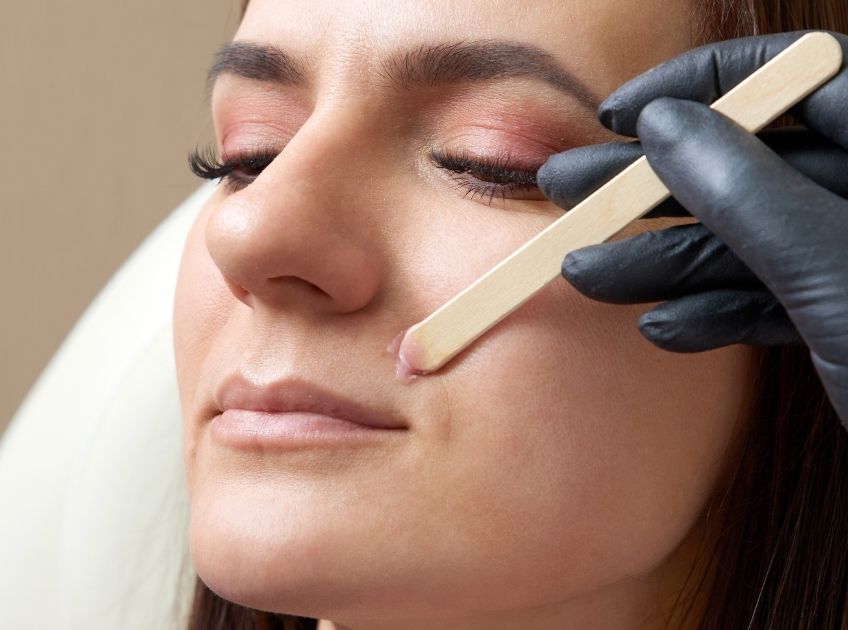
3. Aggressive Tweezing or Waxing the Same Area Repeatedly
Why It Seems Like It Makes Hair Stronger
- When regrowth appears after frequent plucking or waxing, it can seem more obvious because the area is already irritated or hyperpigmented. The contrast between dark hair and darker, inflamed skin can make hair look more prominent. [7]
What Actually Happens
- Repeated trauma (waxing or tweezing) can:
- Cause broken hairs that grow inward (ingrowns), making bumps and dark spots.
- Irritate and inflame the skin around the follicle.
- In some people, repeated wax‑induced irritation may trigger post‑inflammatory hyperpigmentation. [8]
- Over years, some people actually see finer regrowth from repeated follicle trauma, not thicker hair.[9]
Better Way to Handle It
If you wax or tweeze:
- Space sessions at least 3–4 weeks apart to allow skin to recover.
- Exfoliate very gently (if tolerated) 1–2 times per week to reduce ingrown hairs.
- Soothe with a non‑comedogenic, fragrance‑free moisturizer afterward.
- Consider threading or professional waxing done by experienced technicians for better technique and hygiene.
Precautions: Avoid waxing over retinoid‑treated skin, after chemical peels, or if you have very sensitive or darker skin prone to pigmentation; ask a dermatologist for safer options.
4. Using Harsh DIY Scrubs and Peel‑Off Masks Too Often
Why It Feels Like Hair Is “Growing Back Stronger”
- Over‑exfoliating or using strong peel‑off masks in the name of hair removal can repeatedly injure the top layer of skin. Damaged, red, or rough skin makes even normal regrowth appear more noticeable and can create a permanent “shadowed” look. [9]
What Actually Happens
- Excessive scrubbing or peeling:
- Compromises the skin barrier.
- Increases irritation and sensitivity to other products.
- Can lead to broken capillaries and pigmentation, drawing attention to hair rather than reducing it. [10]
Better Way to Handle It
- Limit physical scrubs to 1–2 times per week using very fine particles and light pressure.
- Use peel‑off masks sparingly and never on inflamed, sunburned, or retinoid‑treated skin.
- Focus DIY masks on softening and soothing, not on “ripping” hair out.
Precautions: If your face stings, burns, or peels after these masks, stop and let the skin barrier recover before trying anything else.
5. Ignoring Hormonal Causes of New or Thicker Facial Hair
Why It Gets Misinterpreted
- If facial hair becomes suddenly coarser or more abundant (especially along the chin, jawline, or upper neck), people often blame shaving, waxing, or threading. In many cases, the real driver is hormonal change, not the hair removal method. [11]
What Actually Happens
- Conditions such as polycystic ovary syndrome (PCOS), thyroid issues, or other hormonal imbalances can cause new, thicker hair growth on the face and body (hirsutism).
- Hair removal only affects what’s above the skin; hormones still control what happens at the follicle level. [12]
Better Way to Handle It
- Pay attention to patterns:
- Sudden increase in coarse facial hair.
- Irregular periods, acne, or weight gain.
- In these cases, see a doctor or endocrinologist for proper evaluation and management rather than blaming your razor or wax.
Precautions: Using harsh home methods on hormonally driven thick hair often leads to more irritation, ingrowns, and pigmentation. Professional options (laser, electrolysis, medical treatment) are usually more effective.
6. Using the Wrong Method for Your Skin and Hair Type
Why It Feels Like Hair “Comes Back Worse”
- If you use a method that is too aggressive for your skin type or not appropriate for the thickness of your hair, you may see more redness, bumps, or ingrowns — all of which make regrowth look and feel worse, even though the hair itself isn’t truly thicker. [13]
What Actually Happens
- Shaving may be fine for some but irritating for acne‑prone or eczema‑prone skin if not done carefully.
- Waxing may work on body hair, but waxing delicate facial skin can damage the surface and cause uneven pigmentation in some individuals. [14]
Better Way to Handle It
- For fine, light hair: dermaplaning (with proper tools), gentle shaving, or threading may be enough.
- For thick, coarse hair: consider professional methods like laser hair reduction, electrolysis, or dermatologist‑approved depilatory creams rather than harsh DIY attempts.
- Always patch test any new method or product on a small area first.
Precautions: People with dark skin, rosacea, active acne, or a history of scarring should discuss hair‑removal options with a dermatologist before trying new techniques.
When to See a Dermatologist
Home methods can be convenient for mild facial hair, but professional guidance is important if:
- Hair growth suddenly becomes thicker, darker, or more widespread on the face.
- You have symptoms suggesting a hormonal issue (irregular periods, new acne, weight changes).
- You repeatedly develop ingrown hairs, dark spots, or scarring after hair removal.
- Over‑the‑counter and DIY methods leave your skin consistently red, raw, or irritated. [14]
A dermatologist can help you choose safer methods (like gentle shaving, threading, prescription creams, or supervised laser) and investigate any underlying hormonal causes.
Frequently Asked Questions (FAQ’S)
1. Does shaving my face make hair grow back thicker or darker?
A. No. Large clinical and dermatology references confirm that shaving does not change hair thickness, color, or growth rate. The blunt tip from shaving makes hair feel stubbier and look more visible, which is why the myth persists.
2. Why does my facial hair look stronger after waxing or threading?
A. After waxing or threading, new hairs can appear more noticeable because the area may be red, slightly swollen, or darker from irritation. The contrast makes regrowth stand out, even though the actual thickness of the hair shaft is not increased.
3. How long does it take to see results from natural facial hair remedies?
A. Yes. Ingrown hairs and razor bumps create raised, inflamed spots and pigmentation around follicles, drawing the eye to those areas. This makes hair look more prominent even if the hair itself hasn’t changed. Gentle exfoliation and proper technique reduce this problem.
4. Is it okay to shave facial hair if I plan to do laser later?
A. In most professional laser hair removal protocols, shaving (not waxing) is allowed or even recommended before sessions because it leaves the root intact for the laser to target. Always follow the specific instructions from your laser provider or dermatologist.
5. How do I know if my facial hair problem is hormonal instead of from hair removal?
A. Warning signs include rapid onset of coarse hair on the chin, jawline, or chest, worsening acne, irregular menstrual cycles, and weight gain. In these situations, hair removal methods are not the cause; you should see a doctor to check for hormonal conditions like PCOS.
This information is for general education about facial hair removal and common mistakes. It is not a substitute for professional medical advice, diagnosis, or treatment. Always consult a qualified healthcare professional or dermatologist before making major changes to your hair‑removal routine, especially if you have sensitive skin or underlying health conditions.