Important: This article is for informational purposes only. Please read our full disclaimer for more details.
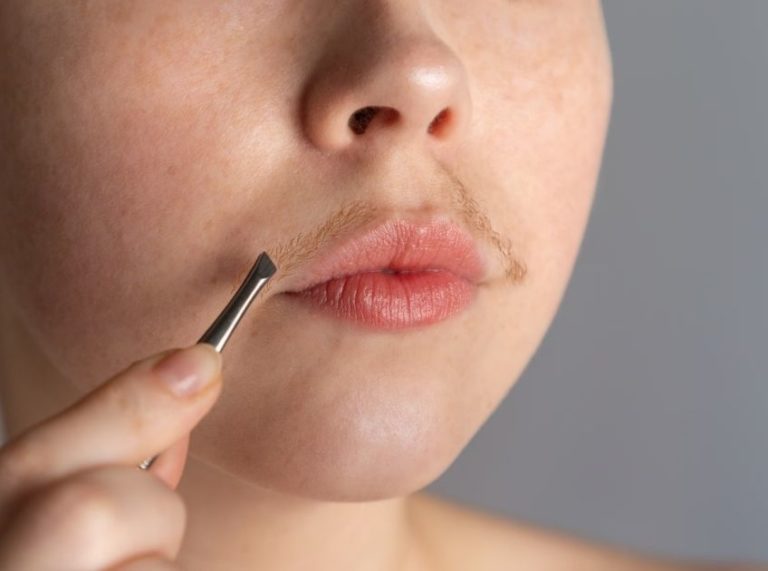
Fine facial hair, often called peach fuzz, is normal, but it can make skin look less smooth and change how makeup sits. Many people try gentle, at-home options first, and simple two-ingredient mixtures are popular because they use familiar ingredients and are easy to prepare.
These remedies can help lift or remove tiny hairs and lightly smooth the skin’s surface, but they will not stop hair from growing back. If facial hair becomes thicker, spreads, or appears suddenly, especially with symptoms like irregular periods or weight changes, it is important to talk with a doctor to rule out conditions such as hirsutism or polycystic ovary syndrome.
What to Know First
Most home mixtures work by drying on the skin, sticking to hair and dead cells, and then pulling them away when you rub or rinse them off. That means results are usually short term and can look different from person to person, so it helps to stay patient and watch how your skin reacts.
If you notice coarse, male-pattern facial hair or rapid changes in growth, a clinician can check for underlying hormonal causes and suggest evidence-based treatments. For general hair removal options and skin safety, professional guidance from a dermatologist is also helpful.
Easy 2-Ingredient DIY for Natural Facial Hair Removal Recipes
1. Turmeric and Milk Mask
How to use:
- Mix about 1 tablespoon of turmeric powder with enough milk or yogurt to form a smooth, spreadable paste.
- Apply a thin layer to clean, dry areas with fine facial hair, keeping it away from the eyes and inside of the nose.
- Allow the mask to dry, then gently loosen it with damp fingers, rub in small circles, and rinse with cool water.
- Finish with a light, non-comedogenic moisturizer and limit use to about two or three times per week if your skin feels comfortable.
Benefits:
- As the mask dries and is rubbed away, it can act like a mild scrub that helps loosen tiny hairs and improve texture. Some people also like turmeric for its traditional use in skin care, though strong human data for lasting hair reduction are lacking.
When to Use:
- This gentle option is best on days when your skin is calm, without active acne, cuts, or visible irritation. Many people use it before a shower or a relaxed evening routine, allowing enough time for the paste to dry fully.
Who This is For:
- The turmeric and milk mask suits people with light to moderate peach fuzz who enjoy using natural ingredients and do not mind temporary yellow staining. It is a better match for those looking for soft smoothing and a self-care step rather than a dramatic hair-removal method.
Repetition and Frequency:
- Any shift in how the hair looks or feels is likely to be gradual, so regular use over weeks may be needed to notice small changes. To protect the skin barrier, avoid daily use, and stop or reduce frequency if you see redness, dryness, or burning.
Scientific References:
- Some small studies and reviews discuss plant extracts from the turmeric family and their possible effects on hair growth, but the evidence is limited and not focused on simple face masks.
- Medical sources emphasize that unwanted facial hair with hormonal features should be evaluated for conditions like hirsutism, which often require targeted treatment rather than home remedies alone.
2. Sugar and Lemon Mix
How to use:
- Combine about 2 tablespoons of sugar with 1 tablespoon of lemon juice and a little water to thin the mixture.
- Warm it gently until the sugar dissolves and the texture becomes syrupy, then let it cool until it feels warm but comfortable on the skin.
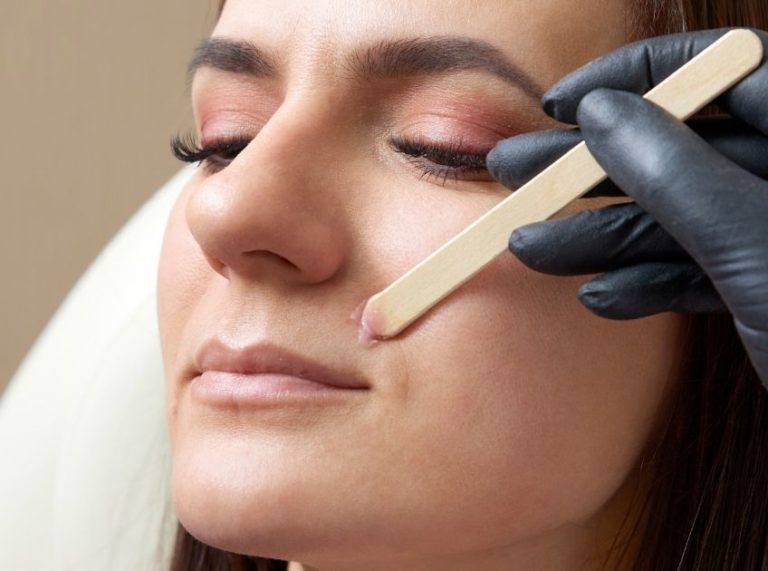
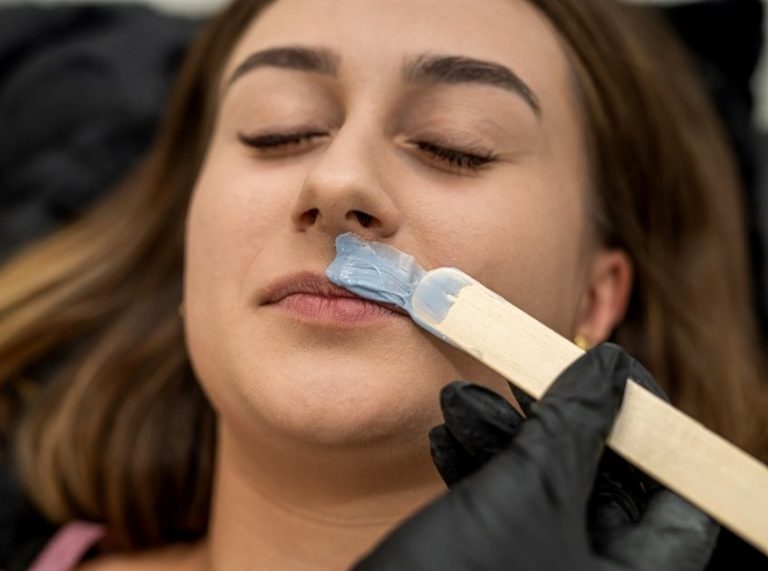
- Spread a thin layer over clean skin, allow it to set for a short time, then pull or rinse it off, following hair growth direction to reduce irritation.
- Use this method no more than every one to two weeks so the skin has time to recover between sessions.
Benefits:
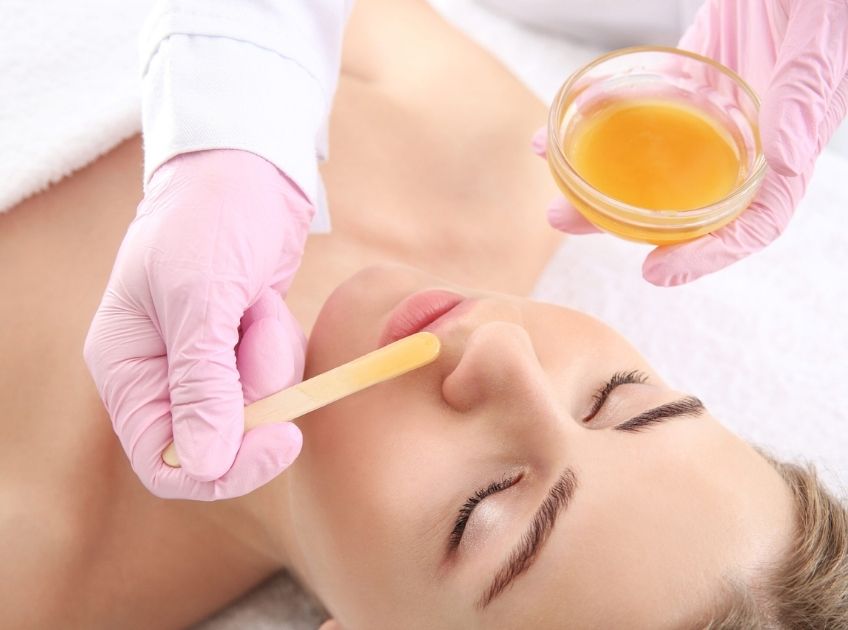
- Sugar and lemon act similarly to soft waxing or sugaring, lifting hair from the root, which can keep the area smoother longer than shaving.
- The mixture can also remove some surface dead skin cells, which may leave the face feeling softer right after treatment.
When to Use:
- This approach is better for days when you are prepared for a stronger technique that can cause temporary redness, similar to salon waxing.
- Many people choose to use it in the evening so any mild irritation has time to settle before the next day.
Who This is For:
- Sugar–lemon mixtures are generally suited to people with fine to moderate hair who do not have very sensitive, broken, or sunburned skin.
- It is most appropriate for those willing to test temperature carefully and follow instructions closely to lower the risk of burns or over-exfoliation.
Repetition and Frequency:
- Because this method pulls hair from the follicle, smoother results may last several days to a couple of weeks, depending on growth rate.
- Overuse can irritate the skin, so it is important to space out sessions and pause if you notice ongoing redness or sensitivity.
Scientific References:
- Dermatology reviews describe sugaring and waxing as forms of epilation, which remove the hair from the shaft and bulb, but they can still cause irritation or ingrown hairs if not done correctly.
- Medical and public resources note that longer-term options, such as prescription creams, laser hair removal, or electrolysis, have better-studied effects but should be chosen with professional guidance.
Tips and Precautions
- Always do a small patch test on an area like the inner arm or behind the ear before using any mixture on your face. This can help you spot redness, stinging, or itching early and avoid a stronger reaction on more visible areas.
- Do not apply these remedies over open cuts, active acne, eczema, or sunburned skin, as they can worsen irritation and delay healing. Stop using them and seek medical advice if you notice intense burning, swelling, or a rash that does not settle within a day or two.
- If you have coarse male-pattern hair growth, rapid changes in hair distribution, or symptoms such as irregular periods, weight shifts, or acne, talk with a healthcare professional. Resources from organizations like the Cleveland Clinic and NCBI explain that these signs can be linked to hormonal conditions that need medical assessment and specific treatment plans.
Two-ingredient remedies like turmeric masks and sugar–lemon mixtures can offer a simple way to smooth peach fuzz and experiment with natural care at home. They provide short-term changes and a self-care moment, but they do not replace professional hair-removal techniques or medical evaluation when hair growth is heavy, sudden, or distressing.
By patch testing, using them gently, spacing out sessions, and seeking expert advice for more serious or changing hair growth, you can decide whether these methods fit safely into your overall facial hair-management routine.