Important: This article is for informational purposes only. Please read our full disclaimer for more details.
While tea tree oil is a popular “natural” remedy for skin issues, its use for hemorrhoids is a bit controversial. Medical experts generally do not consider it a primary treatment because there isn’t enough scientific proof yet.
If you’re considering using it, it is vital to use it safely to avoid making your symptoms worse.
What are Hemorrhoids?
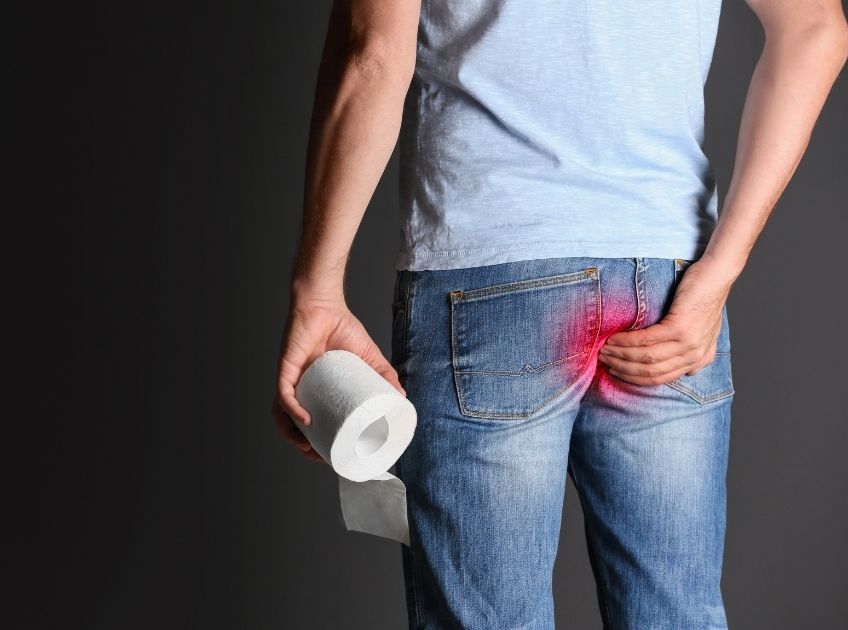
Hemorrhoids are swollen veins located in the lower rectum or around the anus(source). They are very common and often lead to:
- Itching and irritation.
- Pain or discomfort, especially when sitting.
- Swelling around the anal area.
- Bleeding (usually bright red) during bowel movements.
Can Tea Tree Oil Actually Help?
Tea tree oil (from the Melaleuca alternifolia plant) is famous for its ability to fight germs and reduce swelling. However, the evidence for hemorrhoids is thin:
- The Combination Study: One small study found that a gel containing tea tree oil (mixed with other healing ingredients) helped reduce pain and itching. Because it was a mix, we don’t know if the tea tree oil did the work on its own(source).
- Limited Research: Most major medical organizations do not list tea tree oil as a recommended treatment. They prefer methods with more proven track records.
Potential Benefits vs Real Risks
Possible Benefits:
- Reduces Swelling: It may help calm inflamed skin(source).
- Fights Bacteria: It keeps the area clean, which might prevent minor infections in broken skin.
Important Risks:
- Skin Irritation: The skin in the anal area is very thin and sensitive. Tea tree oil can cause stinging, burning, or a severe rash.
- Allergic Reactions: Some people develop an allergic reaction called “contact dermatitis.”
- Toxicity: Never swallow tea tree oil. It is poisonous if ingested and can cause confusion or loss of consciousness.
How to Use Tea Tree Oil Safely
If your doctor says it’s okay to try, follow these steps to protect your skin:
1. Dilute, Dilute, Dilute
Never apply pure tea tree oil directly to your skin.
The Mix: Add 1 drop of tea tree oil to 1 or 2 teaspoons of a “carrier oil” (like coconut, olive, or almond oil).
2. Perform a Patch Test
Test the mixture on your inner elbow first. Wait 24 hours. If you see redness or feel itching, do not use it on your hemorrhoids.
3. Apply Gently
- Clean the area with warm water and pat dry.
- Use a cotton swab to lightly dab the diluted oil on external hemorrhoids only.
- Do not put the oil inside the rectum.
When to Skip the Tea Tree Oil
Avoid using tea tree oil and see a doctor if:
- You have heavy bleeding or severe pain.
- The hemorrhoids are protruding (prolapsed).
- You are in your first trimester of pregnancy.
- You have a history of eczema or very sensitive skin.
Better Alternatives: What Experts Recommend
Most specialists suggest focusing on these proven methods first:
| Method | Why it Works |
| Fiber & Water | Softens stool so you don’t have to strain.(source) |
| Sitz Baths | Sitting in warm water for 15 minutes relaxes muscles and eases pain.(source) |
| OTC Creams | Products with lidocaine (for pain) or hydrocortisone (for swelling). |
| Witch Hazel | A gentler natural astringent that calms itching. |
Tea tree oil might offer mild relief for some, but it isn’t a “cure.” Because it can easily irritate sensitive skin, it’s usually better to stick to high-fiber diets, warm baths, and medicated creams recommended by your healthcare provider.
Always talk to a doctor before trying new home remedies for persistent pain or bleeding.