Important: This article is for informational purposes only. Please read our full disclaimer for more details.
Imagine you’re at a hotel breakfast bar in a new country. The table is full of donuts, muffins, white bread, sugary cereals, and sweet coffee. It all looks delicious, but after a few days your stomach feels tight, you feel bloated all the time, and going to the bathroom becomes harder and harder. That was the experience this traveler had every time she left India for the United States—until one simple 3‑spice tea made with cumin, coriander, and fennel helped her digestion settle down again.
This is how a basic spice tea turned miserable, uncomfortable trips into something much easier on her gut—and how you can use the same idea when your digestion feels stuck.
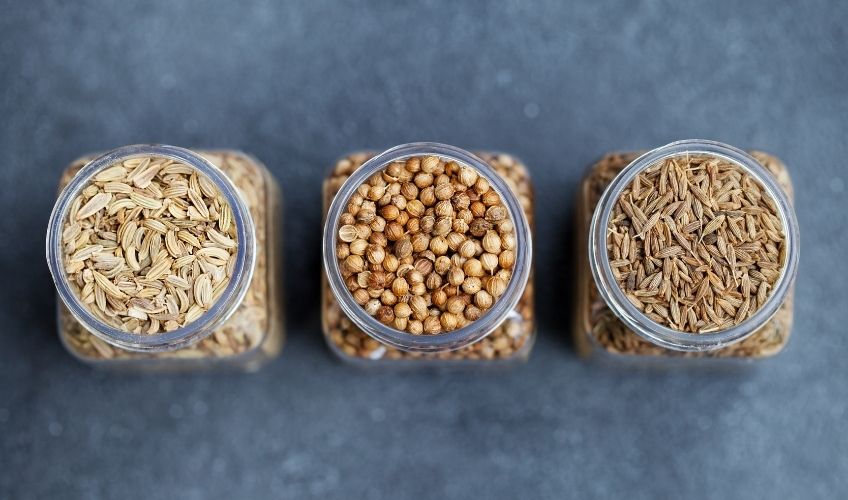
Three of Those Spices are Simple, Everyday Seeds
1. Cumin Seeds – Often used to help stimulate digestive juices and support bile flow, which helps break down fats and heavier foods
2. Fennel Seeds – Commonly chewed after meals to ease gas, reduce bloating, and calm the stomach
3. Coriander Seeds – Known in traditional use to support digestion and help with indigestion and mild discomfort.
It is also important to clear up a common misunderstanding: “spicy” does not always mean very hot or burning. Cumin, coriander, and fennel are aromatic and flavorful, but they are usually gentle on the mouth and stomach. This makes them ideal for a mild digestive tea.
The 3‑Spice Digestive Tea That Made a Difference
A simple search led to a traditional recipe often called CCF tea (cumin, coriander, fennel). The best part was that all three seeds were easy to find in ordinary American grocery stores.
3‑Spice Tea Recipe (Cumin–Coriander–Fennel Tea)
Ingredients:
- 1 teaspoon cumin seeds
- 1 teaspoon coriander seeds
- 1 teaspoon fennel seeds
- 1 litre (about 4 cups) of water
Method:
- Pour the water into a pot and bring it to a gentle boil.
- Add the cumin, coriander, and fennel seeds.
- Reduce the heat, cover the pot, and let it simmer for about 10 minutes. [1]
- Turn off the heat and let the tea cool to a warm, comfortable temperature.
- Strain the liquid and sip it throughout the day.
Within a few hours and about two glasses, bowel movements became easier and more complete. The feeling of being “stuck” slowly decreased. The tea then became a regular companion, replacing some sugary drinks and helping the stomach feel lighter.
This matches what many Ayurvedic and integrative practitioners describe: when used together, cumin, coriander, and fennel can support digestion, reduce gas, and ease bloating in a gentle way. [2]
How Each Spice Supports Digestion?
1. Cumin: Supports Digestive Strength
Cumin has been studied for its benefits on digestion and gut comfort. [3]
- It can encourage the release of digestive juices and bile, which help break down fats and rich foods.
- Some research suggests cumin-based preparations may improve symptoms like gas and mild abdominal discomfort. [4]
- In this tea, cumin works like a gentle “starter” for the digestive process when it feels slow or weak.
2. Fennel: Calms Bloating and Gas
Fennel seeds are used in many cultures as a natural after-meal aid. [5]
- They help relax the muscles in the digestive tract, which can reduce cramps and bloating.
- Some studies have linked fennel preparations with reduced gas and improved gut comfort. [6]
- In tea form, fennel adds a light sweetness and a soothing effect, especially helpful when the stomach feels tight or gassy.
3. Coriander: Supports Gentle, Balanced Digestion
Coriander seeds also play an important role.
- Traditional use and some research suggest they support digestion and can help with indigestion. [7]
- Coriander may also have mild calming effects on the gut and help reduce discomfort. [8]
- In this blend, coriander balances the warming nature of cumin and the cooling quality of fennel, creating a smoother, more neutral drink.
Quick Comparison: Typical Sugary Breakfast vs. 3‑Spice Tea
| Aspect | Typical Sugary Breakfast (Donuts, Muffins, Sweet Cereal) | 3‑Spice Digestive Tea (Cumin–Coriander–Fennel) |
| Fiber content | Usually low in fiber | Contains natural seed fiber and plant compounds. [9] |
| Effect on blood sugar | Can cause fast spikes and drops | May support steadier digestion and energy release. [10] |
| Effect on bloating | Often increases gas and heaviness | Traditionally used to ease gas and bloating. [11] |
| Gut comfort | Over time may contribute to constipation | Aims to support smoother, more regular bowels. [12] |
When digestion is already sensitive, switching from very sweet, low‑fiber breakfasts to something more supportive—like this tea plus a balanced meal—can make a noticeable difference.
Who Might Find This Tea Helpful?
This 3‑spice tea may be especially useful for:
- Travelers who suddenly switch from home-cooked meals to processed or unfamiliar food.
- People who regularly feel gassy, bloated, or heavy after eating.
- Anyone looking for a gentle, food-based approach to support digestion before using strong medicines.
How Much to Drink?
Traditional practice and modern wellness advice suggest:
- Start with about 1 cup per day and pay attention to how your body responds. [13]
- If it feels good, you can slowly increase to 2–3 cups spread out through the day.
- If you feel discomfort or your symptoms worsen, reduce the amount or stop and speak with a healthcare professional.
Important Safety Notes
- If you are pregnant, breastfeeding, or taking regular medication (especially for serious health conditions), talk to a doctor before making this tea a daily habit. [14]
- If you have strong or ongoing symptoms like severe pain, bleeding, sudden weight loss, or long-term constipation, always consult a healthcare professional instead of self-treating with tea.
- A small number of people may be sensitive or allergic to certain seeds. If you notice unusual reactions, stop drinking the tea and seek medical advice.
This tea should be seen as gentle support, not as a replacement for medical care.
If your stomach often feels heavy, bloated, or slow—especially when your diet changes—this 3‑spice tea is a gentle, low-cost option worth trying. It will not fix every problem, but it may give your digestion the extra support it needs to move, settle, and feel more comfortable again.