Important: This article is for informational purposes only. Please read our full disclaimer for more details.
Bloating after meals can feel endless, but a simple cumin-coriander-fennel tea helped settle my stomach when modern fixes fell short. Science supports why these everyday Indian spices aid digestion, making them worth a try for occasional gut discomfort. [1]
Article Contains
The Research Behind CCF Tea
- Cumin: Lab studies show it boosts digestive enzymes like amylase, protease, and lipase to help break down carbs, proteins, and fats more effectively.[2]
- Coriander: Reviews note it supports bile flow and gut movement, easing common indigestion.[3]
- Fennel: A 2024 trial found fennel capsules reduced gas as well as standard relief meds in women after surgery, with no added side effects.[4]
- Combo Effect: Traditional blends suggest they work better together for bloating relief, though large human studies on the tea itself are limited.[5]
Cumin: Helps Break Down Meals
Cumin seeds support your body’s natural digestion process. Research found extracts increase key enzymes, helping process heavy foods like rice or lentils without as much buildup.[6]
It’s also known traditionally for easing gut tension after meals. A small amount in tea can make dinners feel lighter.[7]
Coriander: Eases Food Movement
Coriander helps food pass through more smoothly. Studies highlight its role in bile production and reducing that full, heavy feeling.[8]
Early research points to less gut irritation too. Many notice quicker relief from post-lunch discomfort with a cup.[9]
Fennel: Relieves Gas Buildup
Fennel stands out for trapped gas. The 2024 study showed it worked just as well as dimethicone for flatulence after C-sections.[10]
Its compounds relax gut muscles to let air escape naturally. A quick brew often helps after richer foods.[11]
Why These Three Together Help
Each spice targets a different part of digestion: cumin breaks food down, coriander keeps things moving, fennel clears gas. Ayurvedic mixes with all three report easier digestion in smaller studies. [12]
On trips away from home cooking, I relied on this tea for steady relief. Early evidence makes it a simple daily option. [13]
Easy Way to Make the Tea
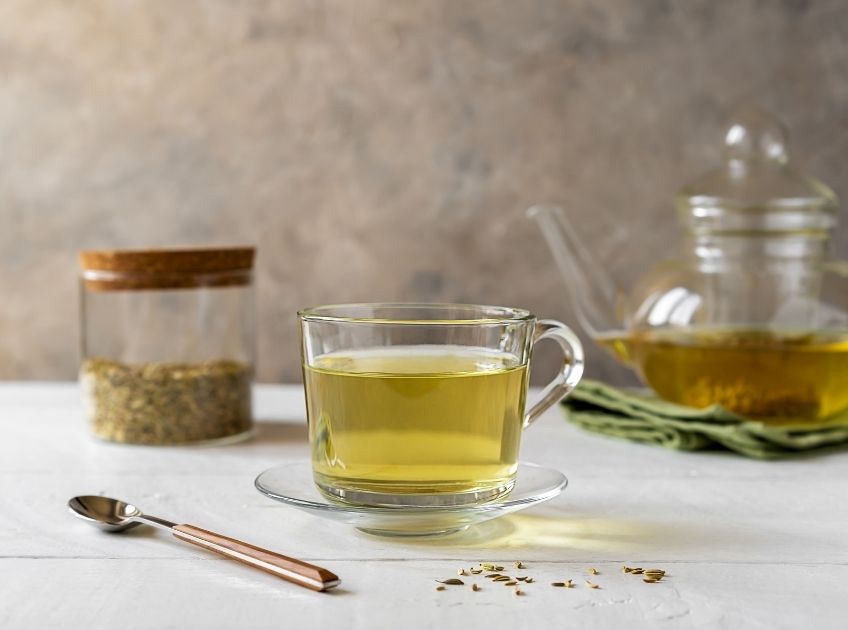
Boil ½ tsp each of cumin, coriander, and fennel seeds in 2 cups water for 5-10 minutes. Strain and drink warm after meals. One or two cups daily works for most people. [14]
Adjust based on how you feel, and pair with light activity if possible.
Safety Notes:
These spices are generally well-tolerated in food amounts. The fennel study confirmed safety even after surgery. [15]
Talk to a doctor if pregnant, allergic to seeds, or dealing with ongoing gut issues like ulcers. Stop if symptoms worsen. [16]
Frequently Asked Questions (FAQ’S)
1. Does this tea work as well as over-the-counter gas relief like simethicone for bloating after heavy meals?
A. Fennel alone matched dimethicone in a 2024 trial for reducing flatulence scores, but the full combo lacks direct comparisons—use it as a gentle add-on, not a full swap.
2. Is it safe to drink cumin-coriander-fennel tea every day, and what’s a good amount for regular digestion support?
A. Most tolerate 1-2 cups daily in food-like doses without issues, per reviews and trials, but start small and skip if you notice loose stools or allergies—check with a doctor for long-term use.
3. How long does it typically take to notice less bloating or better digestion from this 3-seed tea after starting?
A. Gas relief can come in 30-60 minutes from fennel’s muscle-relaxing effect, while fuller benefits like smoother meals build over a few days of consistent use, based on studies and traditional reports.
4. Can children or older adults safely try this tea for mild tummy troubles after meals?
A. Small amounts are often fine for kids over 5 or seniors with no allergies, but consult a pediatrician or doctor first, especially if on meds or with health conditions—it’s not a substitute for medical advice.