Important: This article is for informational purposes only. Please read our full disclaimer for more details.
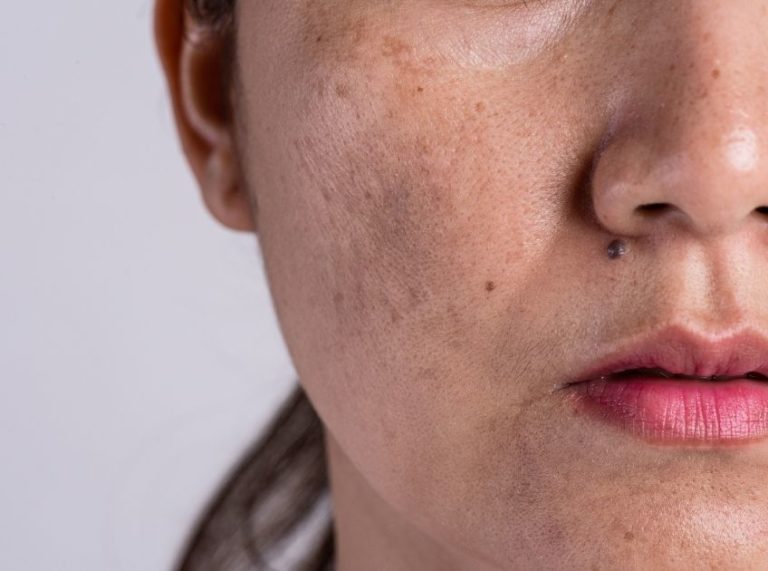
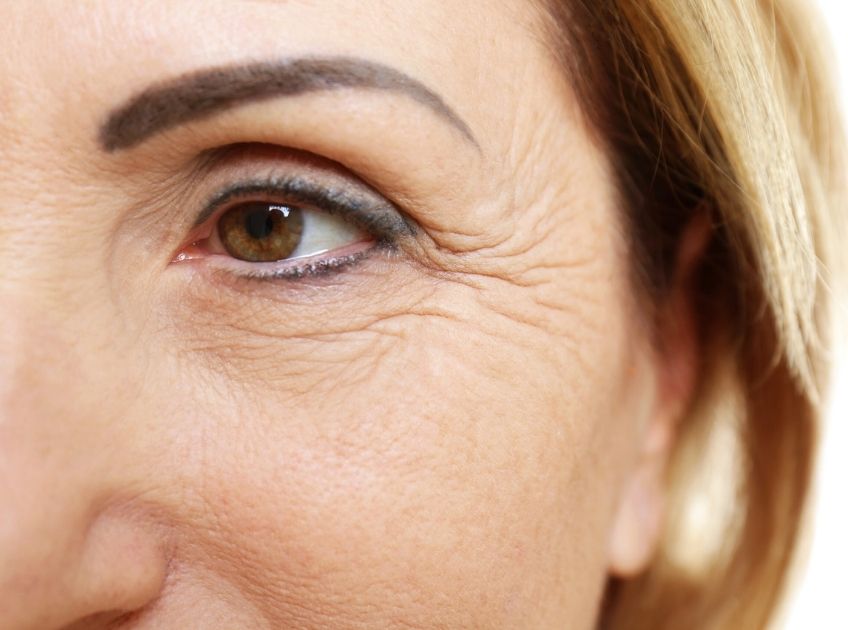
Wrinkles are a normal part of aging. As we grow older, our skin produces less collagen and elastin, the proteins that keep skin firm and smooth. Sun exposure, pollution, stress, and natural aging also weaken the skin over time.
Because of this, many people look for natural ways to support healthy skin. Essential oils and carrier oils are popular options because they contain antioxidants, vitamins, and moisturizing compounds.
However, it is important to understand one key fact: Oils cannot permanently erase wrinkles.
They can help soften fine lines, improve hydration, and support skin health, but they should be used alongside proven skincare practices like sunscreen, retinoids, and vitamin C.
This guide explains how oils work, which ones are best for wrinkles, and how to use them safely.
Article Contains
- How Essential Oils Help Aging Skin
- 13 Best Essential Oils for Wrinkles
- Ready-Made Anti-Aging Oil Recipes
- How to Use Oils in an Anti-Aging Routine
- Tips to Avoid Greasy Skin or Breakouts
- Safety and Patch Testing
- Phototoxic Oils Warning
- Who Should Avoid Essential Oils on the Face
- Choosing High-Quality Oils
How Essential Oils Help Aging Skin
Essential oils and plant oils support skin health in several ways.
1. Antioxidant Protection:
- Free radicals from UV rays, pollution, and smoke damage collagen and speed up aging.
- Many plant oils contain antioxidants that help neutralize these free radicals and protect the skin.
2. Moisture and Skin Barrier Support:
Healthy skin needs a strong protective barrier. Oils help by:
- Sealing in hydration
- Reducing transepidermal water loss (TEWL)
- Improving skin softness and plumpness
Better hydration often makes fine lines appear smoother.
3. Anti-Inflammatory Effects:
- Low-grade inflammation can accelerate visible aging. Some oils contain natural compounds that help calm irritated or sensitive skin.
4. Collagen and Elastin Support:
- Certain oils contain vitamins and plant compounds that may help protect collagen and elastin, the structures that keep skin firm.
- Research suggests plant oils mainly help by supporting the skin barrier, which indirectly improves wrinkles. [1]
13 Best Essential Oils for Wrinkles
1. Rosemary Oil
What it is: Essential oil from Rosmarinus officinalis leaves, rich in antioxidant phenolic diterpenes like carnosic acid.
Key study finding (year & population): A 2023 review found rosemary extracts protect skin lipids and proteins from UV-induced oxidative stress in ex vivo and in vitro human skin models, suggesting anti-photoaging potential. [1]
How to use: 2–3 drops in 15 ml jojoba or grapeseed oil, 2–3 nights per week on normal/combination skin; avoid undiluted use around eyes.
Strength of Evidence: Laboratory and ex vivo human skin data (no dedicated wrinkle RCT yet).
2. Lemon Oil (Phototoxic Citrus Example)
What it is: Cold-pressed oil from Citrus limon peel, containing vitamin-C–related antioxidants and limonene for brightening and tone evening.
Key study finding (year & population): A 2018 review of essential oils for wrinkles highlighted citrus oils for antioxidant and depigmenting effects but noted lack of controlled human wrinkle trials and warned about phototoxicity. [2]
How to use: 1–2 drops in 15 ml carrier, used at night only, 1–3 times weekly on dull, uneven skin; never apply before sun exposure.
Strength of evidence: In vitro and cosmetic-use review data; no robust human antiwrinkle trials.
3. Clary Sage Oil
What it is: Essential oil from Salvia sclarea, known for sebum-balancing and antioxidant activity.
Key study finding (year & population): A 2024 narrative review on natural antiaging oils noted clary sage as an antioxidant, sebum-balancing oil with theoretical antiaging benefits but no dedicated wrinkle RCTs. [3]
How to use: 2 drops in 15 ml lightweight carrier (jojoba or grapeseed), 2–3 evenings per week for oily/combination skin.
Strength of evidence: Review of preclinical and cosmetic data; human antiwrinkle evidence indirect.
4. Carrot Seed Oil
What it is: Oil from Daucus carota seeds, rich in carotenoids and vitamin E–like antioxidants for sun-damaged skin.
Key study finding (year & population): A 2023 review on carrot seed oil for clean beauty reported strong in vitro free-radical scavenging and proposed photoprotective, antiaging roles, but no dedicated human wrinkle trials.
How to use: Use in low dilution (1–2 drops per 15 ml richer carrier like avocado or argan), at night on dry or photoaged skin, 2–4 times weekly.
Strength of evidence: In vitro antioxidant and formulation data; clinical wrinkle data lacking.
5. Rose Oil (Damask Rose/Rose-Hip Context)
What it is: Rose essential oil or CO2 extract from Rosa damascena petals, often paired in practice with rosehip seed preparations rich in vitamins A and C.
Key study finding (year & population): In a 2015 randomized, double-blind trial, 34 adults (35–65 years) taking standardized rose hip powder orally had significant periorbital wrinkle reduction and improved skin elasticity vs placebo after 8 weeks. [4]
How to use: 1–2 drops rose essential oil in 15 ml gentle carrier (sweet almond, jojoba), 3 nights per week on dry or mature skin.
Strength of evidence: Small human RCT for rose-hip powder; topical rose essential oil evidence is indirect but supportive.
6. Sandalwood Oil
What it is: Essential oil from Santalum album heartwood, with moisturizing and anti-inflammatory properties used in cosmetic antiaging formulas.
Key study finding (year & population): A 2021 in vitro study showed Indian sandalwood oil had stronger protection against oxidative stress–induced skin aging markers than vitamin E in human skin cell cultures. [5]
How to use: 1–2 drops in 15 ml argan or jojoba oil, applied at night to dry or rough areas 2–4 times weekly.
Strength of evidence: In vitro human cell data; limited direct human wrinkle endpoints.
7. Geranium Oil
What it is: Pelargonium graveolens leaf oil, used to balance sebum and support barrier function in acne-prone and combination skin.
Key study finding (year & population): A 2021 formulation paper on a geranium/calendula essential-oil cream reported improved skin hydration and barrier function in ex vivo and experimental models, suggesting potential antiaging support. [6]
How to use: 2–3 drops in 15 ml jojoba or grapeseed, 2–3 evenings per week for combination or acne-prone skin.
Strength of evidence: Preclinical and formulation data; no stand-alone clinical wrinkle trial.
8. Ylang-Ylang Oil
What it is: Essential oil from Cananga odorata flowers, known for regulating sebum and offering antioxidant activity.
Key study finding (year & population): A 2025 industry-backed review summarized ylang-ylang’s antioxidant capacity and suggested potential to support skin elasticity and smoothness, but without dedicated human wrinkle trials.
How to use: 1–2 drops in 15 ml lightweight carrier (grapeseed or jojoba), 1–3 nights weekly, especially on combination or oily skin.
Strength of evidence: Antioxidant and cosmetic-use review; human antiwrinkle data not yet robust.
9. Helichrysum Oil
What it is: Essential oil from Helichrysum italicum flowers, used for hydration, redness calming, and claimed wrinkle reduction.
Key study finding (year & population): A 2001 cosmetic patent described a helichrysum-containing composition that improved skin surface relief and firmness in a small volunteer panel, though methods and size were limited. [7]
How to use: 1–2 drops in 15 ml carrier (argan or rosehip), applied nightly 2–4 times per week on mature or sensitive skin.
Strength of evidence: Small proprietary human data from patent plus preclinical work; no independent RCTs.
10. Neroli Oil
What it is: Citrus aurantium (bitter orange) blossom oil, with fragrant flavonoids and vitamin-C–related compounds used in brightening and “renewal” blends.
Key study finding (year & population): A 2012 study on bitter orange essential oil reported antioxidant and antimicrobial activity in vitro, supporting its potential to protect skin lipids from oxidative aging. [8]
How to use: 1–2 drops in 15 ml carrier (grapeseed, jojoba), 2–3 evenings per week; consider night-only use because it is a citrus-derived oil.
Strength of evidence: In vitro antioxidant data; clinical wrinkle reduction evidence is anecdotal.
11. Frankincense Oil
What it is: Boswellia species resin oil, rich in boswellic acids and terpenes suggested to support collagen and skin repair.
Key study finding (year & population): A 2024–2025 review of frankincense in cosmetic antiaging described improved appearance of fine lines and texture in small cosmetic-product trials using frankincense-containing blends, but not isolated oil alone.
How to use: 1–2 drops in 15 ml nourishing carrier (argan, sweet almond), 3–5 nights per week for dry or mature skin.
Strength of evidence: Small cosmetic trials and mechanistic data; no large, controlled, oil-only trials.
12. Lavender Oil
What it is: Lavandula angustifolia flower oil, widely used for its soothing, anti-inflammatory, and antioxidant properties on irritated or sensitive skin.
Key study finding (year & population): A 2020 Medical News Today evidence review concluded lavender oil shows anti-inflammatory and wound‑healing effects in animal and in vitro studies, potentially helping repair photo-damaged skin, but human antiwrinkle data are limited. [9]
How to use: 2–3 drops in 15 ml sweet almond or jojoba oil, used 2–4 nights weekly as the last step on slightly damp skin.
Strength of evidence: Animal, in vitro, and general human skin-tolerance data; weak direct wrinkle evidence.
13. Sweet Orange Oil (Another Citrus Antiaging Option)
What it is: Essential oil from Citrus sinensis peel, similar to lemon in limonene content and brightening, antioxidant potential.
Key study finding (year & population): A 2018 overview on essential oils for wrinkles cited orange oil for antioxidant and tone-evening effects in preclinical models, again emphasizing a lack of high-quality human wrinkle trials and highlighting phototoxic risk with cold-pressed citrus oils. [10]
How to use: 1 drop in 15 ml carrier, used at night only, up to 2–3 times weekly on dull or uneven skin; avoid sun on treated areas.
Strength of evidence: In vitro and cosmetic-use data; no direct RCTs for wrinkle reduction.
Quick Reminder on Dilution (For All): Keep total essential oil at about 10 drops per 15 ml carrier for facial use, start 2–3 nights per week, and patch test on the inner elbow for 3–5 days before regular use.
Ready-Made Anti-Aging Oil Recipes
These blends are simple and beginner-friendly.
Normal or Combination Skin:
i. Rosemary + Geranium + Jojoba Oil
Benefits:
- Balances oil
- Improves skin glow
- Helps early fine lines
Dry or Mature Skin:
ii. Carrot Seed + Rose + Avocado Oil
Benefits:
- Deep hydration
- Supports collagen
- Improves elasticity
Oily or Acne-Prone Skin:
iii. Clary Sage + Neroli + Grape Seed Oil
Benefits:
- Controls excess oil
- Helps prevent breakouts
- Supports smooth skin
Sensitive Skin:
iv. Lavender + Frankincense + Argan Oil
Benefits:
- Soothes irritation
- Supports skin repair
- Gentle anti-aging support
How to Use Oils in an Anti-Aging Routine
Essential oils work best when combined with a complete skincare routine.
Morning Routine:
- Gentle cleanser
- Vitamin C serum
- Moisturizer
- Sunscreen (SPF 30 or higher)
Optional: 1–2 drops oil over moisturizer
Night Routine:
- Cleanser
- Retinoid or exfoliant (optional)
- Moisturizer
- Essential oil blend as the final step
- Daily broad-spectrum sunscreen is the most important anti-aging step.
Tips to Avoid Greasy Skin or Breakouts
Use oils correctly to prevent clogged pores.
- Apply 2–4 drops only
- Press gently into damp skin
- Start 2–3 nights per week
- Increase slowly if skin tolerates it
People with acne should prefer light oils like grape seed or rosehip.
Safety and Patch Testing
Essential oils are powerful plant extracts and should be used carefully.
Patch Test First
- Apply diluted oil to inner elbow
- Use twice daily for 3–5 days
- Watch for irritation
Stop use if you notice:
- Redness
- Itching
- Rash
- Swelling
Phototoxic Oils Warning
Some citrus oils can cause severe sun reactions.
Phototoxic oils include:
- Lemon
- Lime
- Bergamot
- Grapefruit
- Bitter orange
These oils can cause burns or dark spots when exposed to sunlight. Always use them only at night.
Who Should Avoid Essential Oils on the Face
Some people should be extra careful.
Avoid or consult a doctor if you have:
- Rosacea
- Active eczema or psoriasis
- Very sensitive skin
- Fragrance allergies
- Pregnancy or breastfeeding
- Children should not use essential oils on facial skin.
Choosing High-Quality Oils
Quality matters when using essential oils
Look for products that provide:
- Botanical (Latin) name
- Batch number
- Purity information
- Dark glass bottle packaging
Avoid products labeled only as “fragrance oil”, which may contain synthetic chemicals.
Key Takeaways
- Essential oils and carrier oils may help soften fine lines and improve skin glow.
- Their benefits mainly come from antioxidants, hydration, and barrier support.
- Always dilute essential oils in carrier oils before applying them to the face.
- Use oils alongside sunscreen and proven skincare ingredients.
- Patch testing and choosing high-quality oils help prevent irritation.
With consistent use and proper skincare habits, plant oils can become a helpful natural addition to an anti-aging routine.
Frequently Asked Questions (FAQ’S)
1. Do essential oils really reduce wrinkles?
A. Essential oils cannot completely remove wrinkles, but they may help improve skin hydration, reduce inflammation, and protect collagen, which can make fine lines look softer.
2. Which essential oil is best for wrinkles?
A. Some of the most popular essential oils for wrinkles include frankincense, rose, lavender, carrot seed, and rosemary oil because of their antioxidant and skin-soothing properties.
3. Can I apply essential oils directly to my face?
A. No. Essential oils are very concentrated and should always be diluted with carrier oils like jojoba, argan, or rosehip oil before applying to skin.
4. How long does it take for essential oils to work on wrinkles?
A. Most people may notice improved hydration and smoother skin texture after 4–8 weeks of consistent use.
What is the best carrier oil for wrinkles?
Some of the best carrier oils include:
- Rosehip oil
- Argan oil
- Jojoba oil
- Avocado oil
- Sweet almond oil
These oils support skin hydration and elasticity.