Important: This article is for informational purposes only. Please read our full disclaimer for more details.
Diet alone is unlikely to make uterine fibroids disappear, but a high‑fiber, plant‑focused, vitamin‑D–rich diet can help lower estrogen, reduce inflammation and may slow fibroid growth or modestly shrink them in some women. The strongest evidence supports eating more fruits, vegetables (especially cruciferous), whole grains, and possibly green tea, while cutting back on red meat, added sugar and alcohol. [1]
Uterine fibroids are non‑cancerous tumors of the muscular wall of the uterus that are strongly influenced by estrogen, progesterone, insulin and inflammatory pathways. Diet can affect these hormones and pathways by changing body weight, fiber intake, insulin response and exposure to environmental pollutants in food.
Large reviews conclude that low intake of fruits and green vegetables, vitamin D deficiency, high red‑meat intake and excess body fat are linked to a higher risk of developing fibroids, while plant‑rich, low‑fat diets appear protective. Evidence that diet shrinks existing fibroids is still limited, but enough signals exist to recommend specific patterns of eating as part of a holistic fibroid plan. [2]
How Much Can Diet Really Do?
Important Reality Check:
- Research shows associations between certain foods and fibroid risk or growth, but not guaranteed cause‑and‑effect for every individual.
- Vitamin D supplementation and green tea extracts have shown some ability to slow growth or modestly reduce fibroid size in small clinical trials and meta‑analyses, but they are not cures.pubmed.
- For symptomatic or large fibroids, diet works best as a supportive strategy alongside medical treatments, not as a replacement for professional care.
With that in mind, the foods below are “best” in the sense that they are most strongly associated with lower fibroid risk and healthier hormone balance.
Core Dietary Strategy for Fibroids
Goal: Lower estrogen load, stabilize insulin, reduce inflammation and support a healthy weight.
Key principles emerging from research and clinical nutrition guidance:
- More plants: High intake of fruits and vegetables, especially green and cruciferous vegetables.source
- High fiber: Whole grains, legumes and seeds that help bind and eliminate excess estrogen via stool.
- Better fats: Emphasize unsaturated plant fats; moderate fish; avoid trans fats.
- Vitamin D adequacy: Achieve and maintain sufficient vitamin D through sunlight, diet and possibly supplements under supervision.
- Less estrogen‑stimulating foods: Less red/processed meat, added sugars, refined carbs and heavy alcohol intake.
Best Fibroid‑Friendly Foods (Evidence‑Backed)
1. Cruciferous and Green Vegetables
Studies from the US and China repeatedly show higher intake of vegetables—especially broccoli, cabbage, Chinese cabbage and other greens—is linked to lower odds of fibroids. These vegetables provide fiber, antioxidants, and compounds that help the liver metabolize estrogen more efficiently.
Best Choices:
- Broccoli, cauliflower, cabbage, kale, collard greens, Brussels sprouts. [3]
- Chinese cabbage, bok choy, spinach, methi leaves and other local greens where available.
Aim for at least 2–3 cups of vegetables daily, with one serving of cruciferous vegetables most days of the week.
2. Colorful Fruits, Especially Citrus and Low‑Pesticide Options
Large cohort studies, including the Black Women’s Health Study, found that women with the highest fruit intake—particularly citrus—had a lower risk of fibroids than those eating the least. Fruits contribute fiber, vitamin C and phytonutrients, and help reduce body weight when they replace processed snacks.
Some research suggests that both fruit intake and lower exposure to pesticide residues on produce may be protective, so washing or choosing lower‑residue options is wise.
Best Choices:
- Citrus fruits (oranges, mosambi, grapefruit, lemons).
- Apples, kiwis, berries, pomegranate, guava.
- Whole fruit instead of juice to preserve fiber and lower sugar spikes.
3. Whole Grains and High‑Fiber Foods
High‑fiber diets help in two key ways: they bind excess estrogen in the gut so it can be excreted, and they improve insulin sensitivity by reducing blood‑sugar spikes. Both excess estrogen and high insulin/IGF‑1 levels are thought to promote fibroid growth.
Best Choices:
- Whole grains: brown rice, millets, oats, quinoa, whole‑wheat roti.
- Legumes: lentils, chickpeas, rajma (kidney beans), black beans.
- Seeds and nuts: flaxseeds, chia seeds, walnuts, almonds (watch portion size for calories).
Target 25–35 g of fiber per day from food—gradually increase and drink enough water to avoid bloating.
4. Vitamin D–Rich Foods (Plus Checking Your Levels)
A number of observational studies show that women with fibroids tend to have lower vitamin D levels, and deficiency is associated with higher risk and faster fibroid growth. A randomized blinded trial and a meta‑analysis found that vitamin D supplementation in women with fibroids and low vitamin D prevented fibroid growth or modestly reduced fibroid size over weeks to months.
Because supplements should be personalized, start by testing your vitamin D level with your doctor, then plan food and supplements accordingly.
Vitamin D–Rich Foods:
- Fatty fish (salmon, sardines, mackerel).
- Egg yolks and fortified foods (some milks, plant milks, breakfast cereals—check labels).
- Sensible sun exposure, as advised for your skin type and cancer risk.
Food alone often isn’t enough to correct strong deficiencies, so supplements are commonly needed under supervision.
5. Green Tea and EGCG
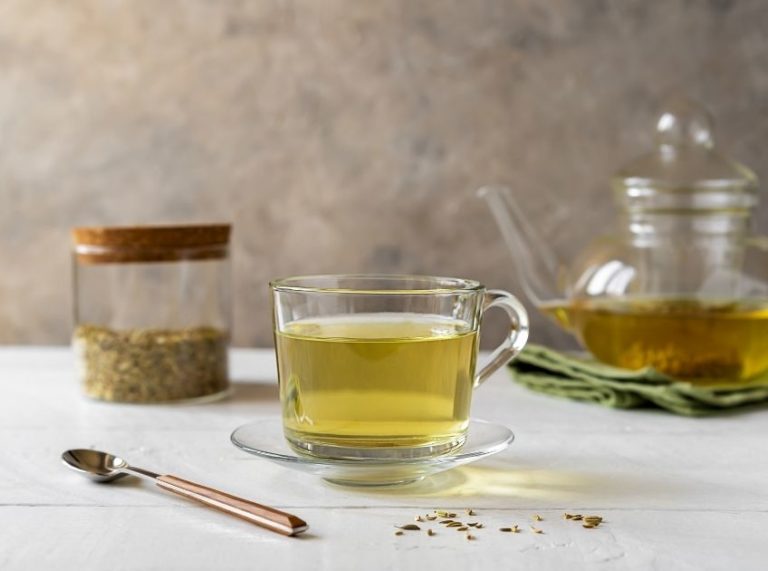
Epigallocatechin gallate (EGCG), a major catechin in green tea, has been shown in lab and early clinical studies to induce apoptosis and inhibit proliferation in fibroid cells. In small human trials, green tea extract with EGCG improved symptoms and reduced fibroid volume compared to control, although more robust trials are still needed. [4]
Ways to Use Green Tea Wisely:
- 2–3 cups of unsweetened green tea daily can provide beneficial catechins with minimal side effects for most people.raveco+1
- Standardized EGCG supplements should only be taken under medical guidance due to potential liver effects at high doses. [5]
6. Soy Foods and Legumes
Despite myths, moderate soy intake does not appear to increase fibroid risk and may fit well in a hormone‑friendly, plant‑based pattern. Soy and other legumes provide fiber, plant protein, and isoflavones that can have mild estrogen‑modulating effects, but overall population studies have not shown soy to be harmful in fibroid risk.
Best Choices:
- Traditional soy: tofu, tempeh, edamame, unsweetened soymilk.nutritionguide.
- Other legumes: lentils, chickpeas, black-eyed peas, etc., forming the protein base of meals.
7. Healthy Fats: Olive Oil, Nuts, Seeds
Diets lower in saturated fat and higher in unsaturated plant fats can help lower estrogen levels and support a healthy weight. Saturated fats from red meat and some processed foods are linked to higher estrogen and higher fibroid risk, while plant‑based fats do not show this association.
Best Choices:
- Olive oil, canola oil, and other minimally processed plant oils.nutritionguide.
- Nuts and seeds in small daily portions for healthy fats and micronutrients.
Foods and Drinks to Limit for Fibroids
1. Red and Processed Meats
Multiple studies have found that women who eat more red and processed meat (beef, ham, etc.) have a significantly higher risk of fibroids compared with those who eat little or none. In one analysis, women eating more than one serving of red meat per day had about 70% higher risk of uterine myomas. [6]
Potential reasons include saturated fat effects on estrogen, iron‑driven oxidative stress, and pollutants or hormones in animal fat.
Practical Targets:
- Keep red meat to occasional use (for example, once per week or less), and favor plant proteins or fish instead.
- Avoid processed meats like sausages, bacon and processed ham as much as possible.
2. Added Sugars, Refined Carbs and High‑GI Foods
High‑glycemic diets that spike blood sugar and insulin can activate pathways that encourage fibroid growth. Observational data link higher BMI and insulin‑resistant states with more and larger fibroids, likely via increased estrogen and growth factors.
Limit or Avoid:
- Sugary drinks, sweets, pastries, and desserts.
- White bread, white rice in large amounts, and other refined grains—swap for whole‑grain versions.
3. Alcohol (Especially Beer)
Some cohort studies show that women with long‑term or higher alcohol intake, particularly beer, have increased risk of fibroids and fibroid surgery. A meta‑analysis found ever alcohol consumption was not strongly associated overall, but data on current regular drinkers suggested a modest increased risk.
Given alcohol’s broader harms and uncertain but concerning signal for fibroids, many experts advise minimizing or avoiding alcohol if you have fibroids.
4. High‑Fat, Highly Processed Foods
Diets high in fried foods, fast food and commercial baked goods often contain saturated and trans fats that worsen insulin resistance, weight gain and inflammation. These metabolic changes can create a hormonal environment that favors fibroid growth.
Focus on whole, minimally processed foods most of the time to keep overall inflammatory load and estrogen‑stimulating factors lower.
At‑a‑Glance: Foods That Help vs Harm
| Category | More of these (supportive) | Less of these (potentially harmful) |
| Vegetables | Cruciferous: broccoli, cabbage, kale; leafy greens; tomatoes, carrots, seaweed. | Deep‑fried vegetables, high‑salt pickles, heavily creamed veggie dishes. |
| Fruits | Citrus (orange, lemon), apples, kiwis, berries, guava. | Fruit juices, sweetened canned fruits, large amounts of dried fruits with added sugar.nutritionguide. |
| Grains & fiber | Whole grains, oats, millets, brown rice; beans and lentils; flax and chia seeds. | White bread, refined flour products, sugary breakfast cereals. |
| Proteins | Legumes, tofu, tempeh; small portions of fish; nuts and seeds. | Red and processed meats (beef, ham, sausages, bacon). |
| Drinks | Water, herbal teas, unsweetened green tea. | Sugary drinks, high‑sugar coffee beverages, alcohol (especially heavy beer intake). |
| Fats | Olive oil, other plant oils, avocado, small portions of nuts. | Deep‑fried fast food, pastries with trans fats, excessive ghee/butter. |
Sample Fibroid‑Friendly Day of Eating
This is an example pattern, not a prescription—adapt to local foods, tastes and medical advice.
Breakfast:
- Oatmeal made with fortified plant milk, topped with ground flaxseed and fresh berries.
- One orange or mosambi.
Mid‑Morning: Unsweetened green tea and a handful of nuts.
Lunch:
- Brown‑rice or millet bowl with mixed lentils, stir‑fried broccoli, cabbage and carrots in olive oil.obgyn.
- Side salad with leafy greens and tomato.
Snack: Apple or guava, plus hummus with carrot sticks.
Dinner:
- Tofu or chickpea curry with lots of vegetables, served with whole‑wheat roti or brown rice.
- Mixed vegetable stir‑fry with cruciferous vegetables.obgyn.
Limit red meat to an occasional small portion, keep sweets and alcohol as rare treats, and prioritize whole foods.
Frequently Asked Questions (FAQ’S)
1. Can food actually shrink existing fibroids?
A. Evidence that food alone shrinks existing fibroids is limited but promising in some areas (especially vitamin D and green tea), and stronger for preventing fibroids or slowing growth than for reversing large tumors. One blinded trial found vitamin D supplementation prevented fibroid growth over two months, and a meta‑analysis of five trials showed vitamin D significantly reduced fibroid size compared with placebo, though more research is needed. Diet is best viewed as a supportive therapy alongside medical or surgical treatment, not a guaranteed cure.
2. Is a vegetarian or vegan diet better for fibroids?
A. Case‑control and cohort studies suggest vegetarian or low‑meat diets rich in fruits, vegetables and low‑fat dairy are associated with lower fibroid risk than meat‑heavy diets. You do not have to be fully vegetarian, but shifting your plate towards more plants and less red meat likely supports better fibroid outcomes and overall health.obgyn.onlinelibrary.
3. How important is weight loss?
A. Higher body mass index (BMI) is linked to more fibroids, probably because fat tissue produces extra estrogen. A diet that helps you reach or maintain a healthy weight—high in fiber, low in added sugars and saturated fat—can lower estrogen and improve insulin sensitivity, creating a less fibroid‑friendly environment.
4. Should I take vitamin D supplements to shrink fibroids?
A. If blood tests show low vitamin D, several trials and a meta‑analysis support supplementation to stabilize or modestly reduce fibroid size, especially with treatment longer than eight weeks. However, doses should be tailored and monitored by your doctor, because oversupplementation has risks and not all trials show the same magnitude of benefit.
5. Are soy foods safe if I have fibroids?
A. Based on current evidence, moderate soy intake does not increase fibroid risk and may be part of a healthy, plant‑forward diet. Focus on traditional soy foods (tofu, tempeh, edamame) rather than heavily processed soy snacks, and discuss any concerns with your healthcare provider, especially if you also have other hormone‑sensitive conditions.
6. How long will it take to see benefits from changing my diet?
A. Hormonal and inflammatory changes from diet evolve over weeks to months, not days. Clinical studies of vitamin D or green tea typically followed women for at least 8–12 weeks to detect changes in fibroid size, and real‑life improvements in symptoms like bloating or heavy bleeding may lag behind structural changes. Consistency is more important than short bursts of strict dieting.pubmed.
No single “magic food” can erase uterine fibroids, but a pattern of eating rich in vegetables, fruits, whole grains, legumes, healthy fats, vitamin D sources and green tea—while reducing red meat, sugary and processed foods, and alcohol—supports a hormonal and metabolic environment that is less favorable to fibroid growth. Combined with medical care, weight management and regular physical activity, this kind of diet is a powerful, low‑risk way to help prevent new fibroids, slow the growth of existing ones, and improve overall health and energy.