Important: This article is for informational purposes only. Please read our full disclaimer for more details.
Hot flashes are one of the most common — and most disruptive — symptoms of perimenopause and menopause. For many women, they show up without warning, leaving you flushed, sweaty, and uncomfortable for a few seconds or several minutes. While hormone replacement therapy (HRT) helps some, others prefer natural strategies first. One of the most effective daily habits that may influence vasomotor symptoms? Your diet. Certain foods contain compounds that can help regulate temperature, support hormone balance, and reduce inflammation.
This article, written from the perspective of a nutrition expert, explores the science behind hot flashes and the foods that may help tame them.
What’s Behind Hot Flashes? A Look at Vasomotor Changes
Hot flashes arise from changes in the hypothalamus — your body’s internal thermostat. During menopause, estrogen levels drop. That decline affects the hypothalamus, making it more sensitive to tiny temperature shifts. The result? Your body triggers a cooling response even when it doesn’t need to, leading to sudden heat, redness, sweating, and sometimes chills afterward.
Scientific research suggests that fluctuations in estrogen influence neurotransmitters like norepinephrine and serotonin, both of which play roles in temperature regulation (1). When these signaling pathways become imbalanced, the heat surges become more frequent and intense.
How Low Blood Sugar Can Trigger a Hot Flash
Many women don’t realize that going too long without food may contribute to hot flashes. When blood glucose drops, the stress hormone cortisol rises. Cortisol spikes can worsen vasomotor symptoms and increase heart rate — two physiological changes often experienced just before or during a hot flash. Keeping meals balanced and regular helps stabilize blood sugar and may reduce the hormonal “alarm” signals that lead to overheating.
9 Foods That May Help Tame Hot Flashes
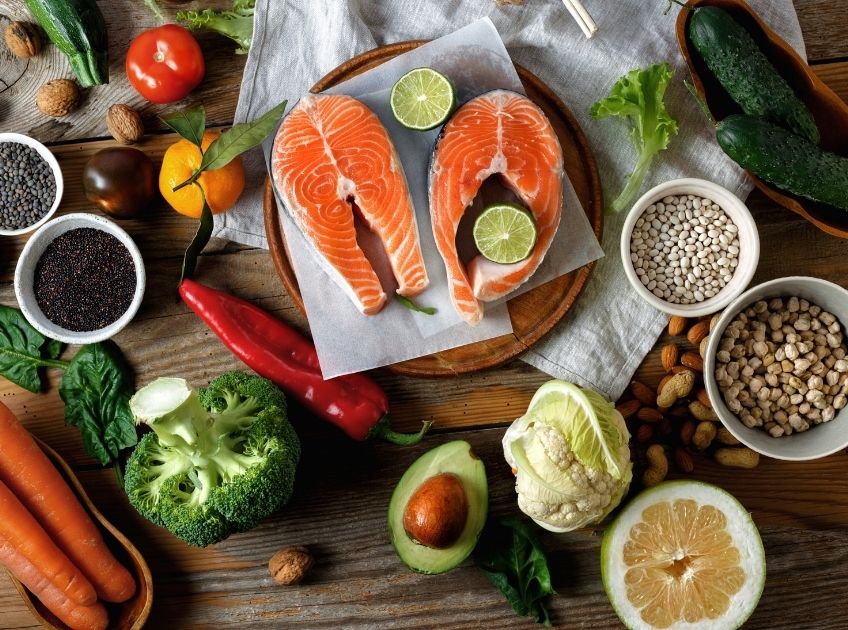
These foods are chosen for their cooling nutrients, plant compounds, and hormone-supportive properties. While food alone won’t eliminate hot flashes, incorporating these regularly may help reduce frequency or intensity.
1. Soybeans and Soy Foods
Soy contains isoflavones — plant-based compounds that mildly mimic estrogen in the body. Several studies suggest that eating soy regularly may reduce hot flash intensity over time. Tofu, tempeh, miso, soy milk, and edamame are all excellent options (2). Aim for whole or minimally processed forms for the greatest benefit.
2. Ground Flaxseeds
Flaxseeds contain lignans, another category of phytoestrogens. These can support hormone balance and may help reduce vasomotor symptoms. Adding a tablespoon or two of freshly ground flaxseed to yogurt, smoothies, or oatmeal can deliver a steady supply of these beneficial compounds.
3. Leafy Greens
Spinach, kale, Swiss chard, and collard greens provide magnesium, calcium, and antioxidants that support nervous system regulation. Magnesium in particular may help reduce the stress response associated with hot flash onset and promote more stable body temperature regulation.
4. Fatty Fish
Salmon, sardines, and mackerel supply omega-3 fatty acids, which support brain health and may help reduce inflammation. Research has explored omega-3 intake in relation to hot flashes, with some studies showing improvements in mood, sleep quality, and frequency of vasomotor symptoms (3).
5. Berries
Blueberries, strawberries, and raspberries are rich in antioxidants and fiber. Fiber helps stabilize blood sugar levels, while antioxidants support overall cellular health. Since blood sugar swings and inflammation can amplify hot flashes, berries are a helpful everyday addition.
6. Chickpeas and Lentils
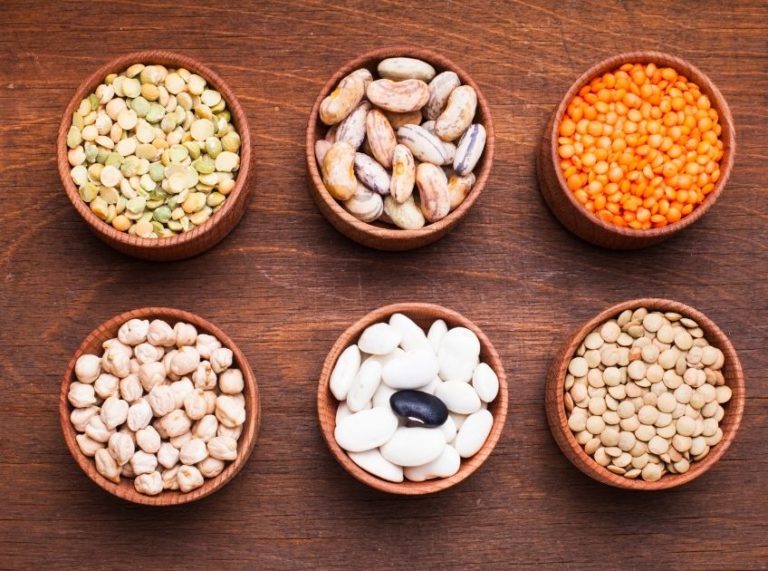
Legumes provide plant-based protein, fiber, and phytoestrogens. They digest slowly, helping prevent drops in blood sugar that may trigger heat surges. Nutrients like B vitamins and folate also support energy production and nervous system health, both important during hormonal transitions.
7. Oats and Whole Grains
Whole grains such as oats, brown rice, quinoa, and barley provide steady energy and prevent blood sugar crashes. Their high fiber content helps maintain hormonal and metabolic balance, making them ideal for individuals who notice hot flashes occur when they’re hungry or fatigued.
8. Water-Rich Fruits and Vegetables
Hydration plays a key role in how intensely you feel a hot flash. Cucumbers, melons, oranges, celery, and lettuce supply natural electrolytes and water, helping cool the body and reduce dehydration-related temperature fluctuations.
9. Nuts and Seeds
Almonds, walnuts, pumpkin seeds, and sunflower seeds offer healthy fats, magnesium, and protein — all nutrients associated with stable blood sugar and hormone support. Magnesium, in particular, plays a role in nervous system regulation and may help reduce nighttime hot flashes.
Does Sugar Make Hot Flashes Worse? Exploring the Connection
There is growing interest in the link between high-sugar diets and vasomotor symptoms. Elevated sugar intake can cause rapid spikes and crashes in blood glucose, which may create internal stress signals. These fluctuations can trigger cortisol release, and in turn, increase the likelihood of a hot flash.
Research on menopausal symptoms often highlights that diets rich in refined carbohydrates are associated with more frequent or more intense hot flashes (4). This is partly due to inflammation and insulin resistance, which affect the body’s temperature-control mechanisms. Reducing added sugars and choosing whole foods may help create more consistent energy levels and fewer heat surges.
What Research Says About Food and Hot Flashes
Studies examining dietary patterns have found that women who follow a plant-forward diet — particularly one rich in whole grains, legumes, vegetables, and phytoestrogens — tend to report fewer hot flashes. Researchers note that:
- Isoflavones can support estrogen receptors and may reduce symptom intensity over time (5).
- Stable blood sugar reduces the cortisol spikes that often precede hot flashes.
- Omega-3 fatty acids may help support neurotransmitter balance (3).
- Antioxidants reduce inflammation, a known contributor to temperature dysregulation.
While food is not a quick fix, the cumulative effects over weeks and months appear promising for many women.
Frequently Asked Questions (FAQ’S)
1. How long does it take for dietary changes to reduce hot flashes?
A. Most studies suggest that dietary shifts, especially those involving phytoestrogens, may take several weeks to show noticeable results. Consistency matters more than short-term changes.
2. Can food eliminate hot flashes?
A. Food alone usually doesn’t eliminate hot flashes, but it can make them more manageable. Many women find the best results through a combination of nutrition, hydration, sleep, stress management, and — when appropriate — medical treatment.
3. Are supplements as effective as food-based phytoestrogens?
A. Supplements may help some individuals, but should be used cautiously. Whole foods provide additional nutrients and fiber that work synergistically, and they are generally safer and more balanced than concentrated extracts.
Hot flashes may be a normal part of menopause, but they don’t have to control your day. By choosing foods that support hormone balance, stabilize blood sugar, and reduce inflammation, many women find meaningful relief. While everybody responds differently, incorporating these nine foods into your meals is a simple, natural approach that supports your overall health — and may help turn down the heat for good.