Important: This article is for informational purposes only. Please read our full disclaimer for more details.
You finish your makeup. Your cheeks look smooth, your forehead is glowing—and then, within an hour, your nose betrays you. Foundation starts sliding, breaking apart, clinging around the nostrils, or turning cakey and patchy.
If this sounds familiar, you’re not doing anything wrong. The nose is a high-oil, high-movement, high-friction zone, and it behaves very differently from the rest of your face.
Article Contains
This Article will Explain:
- Why foundation separates on the nose
- The real role of skin, products, and technique
- A step-by-step, nose-specific routine that works for daily wear
- Pro-level hacks and quick fixes you can actually maintain
Think of this as targeted problem-solving—not more makeup, but smarter makeup.
Why the Nose Is a “Problem Area”
The nose has a higher concentration of sebaceous (oil) glands and more visible pores than most other areas of the face. As oil and sweat rise to the surface, they physically push foundation apart, causing separation and patchiness far sooner than on the cheeks.
On top of that, the nose:
- Protrudes outward, catching more sun and heat
- Experiences constant movement from facial expressions
- Suffers regular friction from tissues, masks, and glasses
Ironically, the nose can be oily and flaky at the same time—oil breaks down makeup, while built-up dead skin causes foundation to cling unevenly. This combination makes it the most difficult area to keep foundation intact.
Main Causes of Separation on the Nose
1. Excess Oil and Sweat: Sebum breaks through foundation layers, causing them to slide or split. This is especially common in combination and oily skin types.
2. Built-Up Dead Skin and Texture: Lack of exfoliation leads to rough patches. Foundation sticks to flakes and lifts from smoother areas, creating a spotted look.
3. Product Mismatch (Skincare–Primer–Foundation): Heavy moisturisers, incompatible primer textures, or foundations unsuited to your skin type can cause pilling and separation.
4. Too Much Product on the Nose: Layering full-coverage foundation, concealer, and powder on a mobile area leads to cracking as the skin moves.
5. Incorrect Setting (or Over-Powdering): Skipping setting on oily noses causes slipping, while excessive powder makes makeup look dry and cakey.
Daily Skin Prep Routine Just for the Nose
Start with gentle cleansing—avoid harsh scrubs that trigger more oil production.
Exfoliate the nose 1–2 times per week using a mild chemical exfoliant (like salicylic or lactic acid) or resurfacing pads to smooth texture and prevent flaking.
Apply a lightweight, non-comedogenic moisturiser in a thin layer. This step is essential—even oily noses need hydration to prevent oil rebound.
Let moisturiser absorb for 10–15 minutes before makeup. Rushing this step is one of the biggest causes of foundation breakdown on the nose.
Product Choice – What Actually Works on the Nose
| Nose Concern | Best Product Type | What to Avoid |
| Very oily | Oil-free, long-wear, soft-matte foundation | Dewy, balm-like formulas |
| Dry/flaky | Lightweight hydrating foundation | Thick matte or full-coverage bases |
| Large pores | Gripping or mattifying primer | Slippery, overly silicone-heavy primers |
Use gripping or mattifying primer only on the nose. Some makeup artists even use a tiny amount of eyeshadow primer here to block oil.
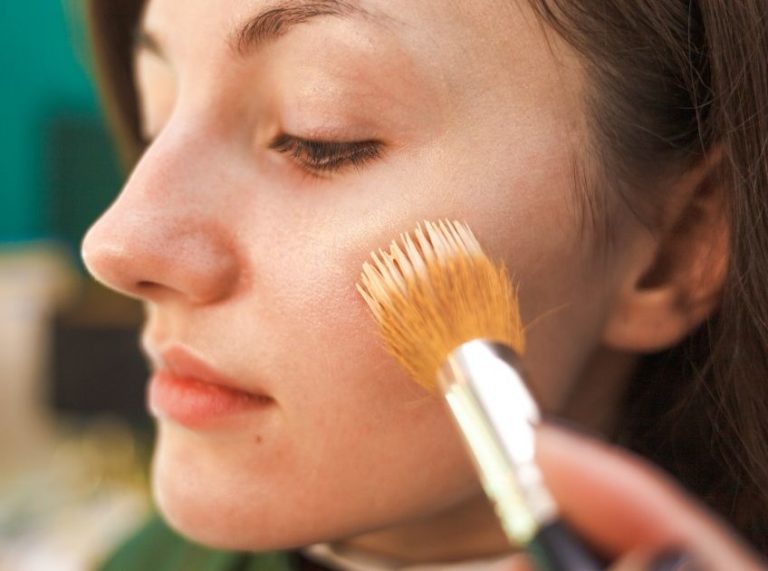
Apply foundation everywhere else first. Then, using only leftover product, lightly press foundation onto the nose. Add coverage with a small amount of concealer only if needed.
Step-by-Step “No Separation” Nose Routine
- Exfoliate the nose 1–2 times weekly to smooth texture
- Cleanse, moisturise lightly, and let skin fully absorb product
- Apply a small amount of appropriate primer only on the nose
- Apply foundation elsewhere first; use leftover product on the nose
- Press foundation in with a sponge or fingers—never drag
- Lightly set with translucent powder, pressing instead of swiping
- Blot oil during the day instead of adding more foundation
Advanced/Pro Hacks
- For events or long days, lightly mist setting spray on the nose before foundation, then again after powder to “seal” layers
- Use pore-refining masks or targeted treatments 1–2 times weekly to improve makeup adherence
- Keep coverage sheer—longevity improves when the skin can move
Skin Type, Climate & Glasses-Wearers
- Oily skin: Focus on oil control and minimal layers
- Dry skin: Prioritise exfoliation and hydration, skip heavy powder
- Humid climates: Choose long-wear formulas and blot regularly
If you Wear Glasses: Apply less product where frames sit and set those areas more firmly to prevent rubbing and transfer.
Common Mistakes & Quick Fixes
Mistakes:
- Harsh scrubbing
- Thick foundation layers
- Mixing too many base products
- Skipping wait time between steps
Quick fixes:
- If foundation breaks midday → blot oil, then press powder
- If it looks cakey → mist lightly and tap with a sponge
- If it slides → remove excess, re-prime, apply thinly
Frequently Asked Questions (FAQ’S)
1. Is it normal for foundation to never last all day on the nose?
A. Yes. The nose produces oil and moves constantly—expect touch-ups, not perfection.
2. Can you skip foundation on the nose?
A. Absolutely. Many pros apply minimal or no foundation here for a more natural look.
3. Is hairspray safe to use on skin?
A. No. It can irritate skin and damage the barrier—avoid this hack.
This advice is general and cosmetic in nature—always patch test and consult a dermatologist for persistent skin concerns.