Important: This article is for informational purposes only. Please read our full disclaimer for more details.
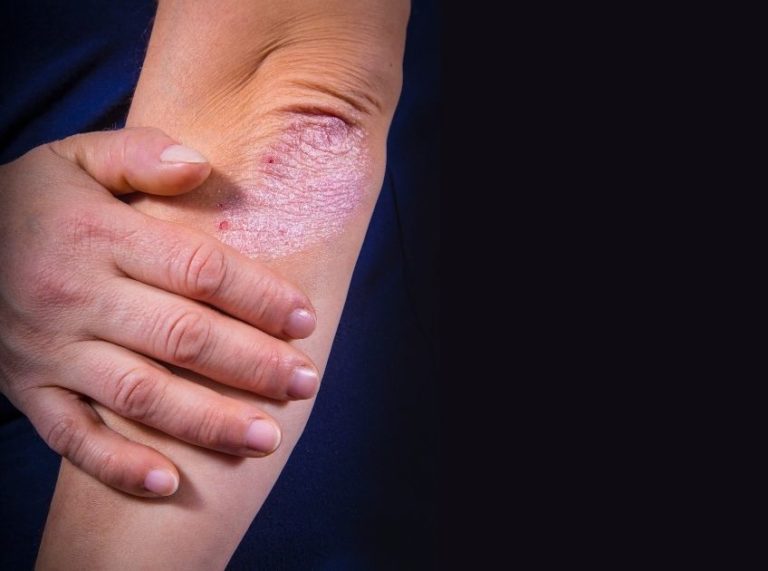
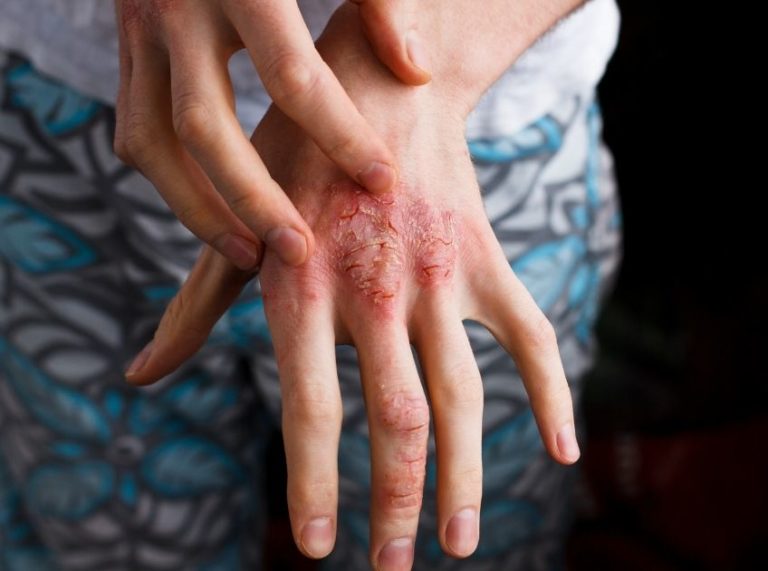
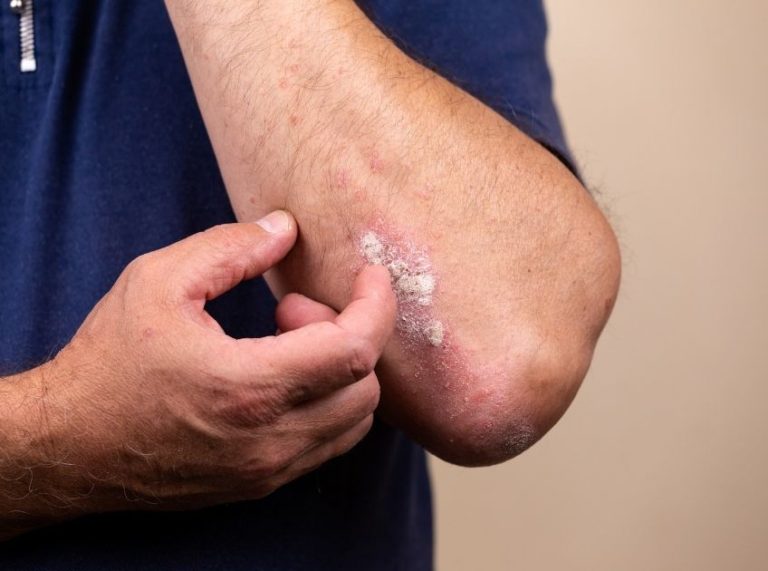
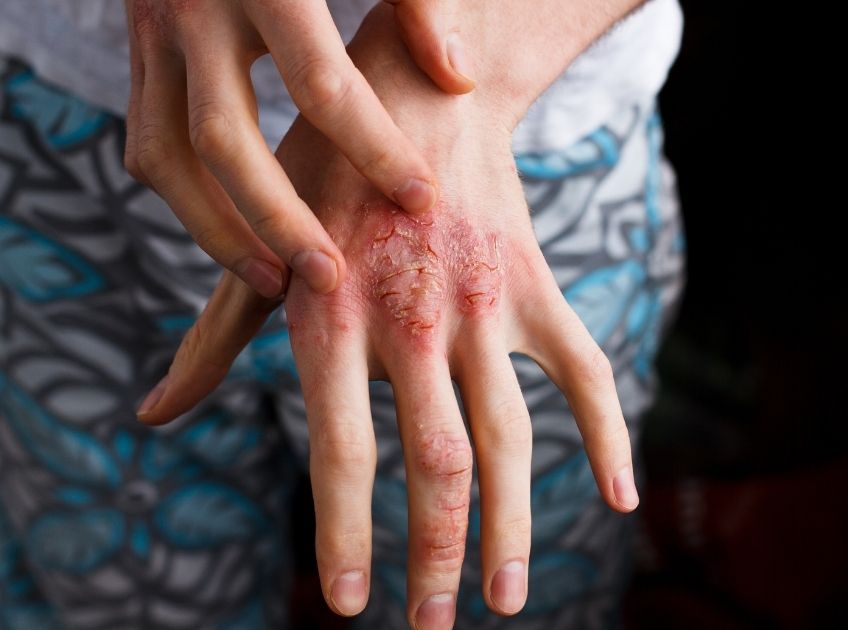
Eczema, or atopic dermatitis, is a chronic inflammatory skin condition marked by itching, redness, dryness, and recurrent flare-ups. While dermatologists typically rely on moisturizers, prescription creams, and lifestyle modifications, many people explore herbal remedies when standard treatments bring only partial relief or cause side effects.
Herbal therapies have long been used in traditional medicine systems such as Ayurveda, Traditional Chinese Medicine (TCM), and Western herbalism. Today, researchers are evaluating whether some of these herbs can support skin barrier health, reduce inflammation, or soothe itching. Although herbs cannot cure eczema, some may help when used thoughtfully and safely.
Below is a closer look at herbs commonly discussed for eczema relief—and what scientific understanding says about their potential benefits.
Plant-Powered Relief: Seven Herbs That May Support Eczema-Prone Skin
Herbs vary widely in their properties—some calm inflammation, while others support hydration, reduce itching, or help regulate the immune response. Here are seven herbs often used for eczema care, along with insights from available research.
| Herb | Properties That May Help Eczema Symptoms | How to Use for Eczema Symptoms | Safety Precautions |
| Chamomile | Anti-inflammatory; contains bisabolol and chamazulene; helps soothe irritated skin | Use chamomile-infused creams; apply cooled chamomile tea compresses to mild flare-ups | Avoid if allergic to plants in the daisy family (ragweed, marigold); patch test before use |
| Calendula | Rich in flavonoids; supports healing and skin barrier repair | Use calendula balms, ointments, or oils on dry, cracked areas | Rare allergies possible; avoid highly fragranced formulas; patch test recommended |
| Aloe Vera | Hydrating; reduces redness; supports moisture retention due to polysaccharides | Apply pure aloe gel to dry or irritated areas; choose fragrance-free versions | May sting broken skin; avoid products with alcohol; patch test if sensitive |
| Turmeric | Curcumin has anti-inflammatory and antioxidant properties; it may reduce eczema-related inflammation | Apply turmeric creams or gels; oral supplements only under medical guidance | Can stain skin and clothes; oral use may interact with blood thinners or medications |
| Neem | Antimicrobial, anti-inflammatory; may reduce itching and irritation | Use diluted neem oil or neem-based creams; never apply concentrated neem oil directly | Strong smell; may irritate sensitive skin; avoid during pregnancy unless advised by a doctor |
| Licorice Root | Glycyrrhizin reduces redness and swelling, with calming effects on inflamed skin | Use licorice-infused creams or topical gels; apply twice daily for best effect | High oral doses can affect blood pressure; stick to topical use unless guided by a professional |
| Witch Hazel | Natural astringent; reduces mild redness and itching; contains tannins and antioxidants | Apply alcohol-free witch hazel gently to affected areas with cotton | Avoid alcohol-containing versions; they may dry out very sensitive or severely inflamed skin |
1. Chamomile
Chamomile (1) is known for its soothing, anti-inflammatory effects. Its compounds—such as bisabolol and chamazulene—interact with inflammatory pathways that contribute to eczema irritation.
Some topical formulations have shown promise for reducing redness and itching in mild cases. Chamomile cream is frequently used as a calming botanical alternative for sensitive skin.
2. Calendula
Calendula flowers contain flavonoids and triterpenoids that support tissue repair and barrier recovery. Studies suggest calendula extracts may help reduce inflammation and speed up skin healing (2).
People with eczema often use calendula in balms, creams, or infused oils to ease dry, cracked patches.
3. Aloe Vera
Aloe vera gel is rich in polysaccharides that help lock in moisture while calming irritation. Early studies indicate aloe may improve hydration and soothe inflamed areas, making it beneficial during mild flare-ups (3). It works best when applied as pure gel free from alcohol or added fragrances.
4. Turmeric
Turmeric’s active compound, curcumin, is widely studied for its anti-inflammatory and antioxidant effects. Some research shows that curcumin may help reduce inflammatory markers linked to eczema (4).
When applied topically or taken orally under guidance, turmeric may support the skin’s healing environment.
5. Neem
In Ayurvedic medicine, neem is valued for its antimicrobial and anti-inflammatory properties (5). Its extracts may help soothe itching and discomfort brought on by inflamed skin. Neem-based creams or diluted neem oil are often used for eczema patches, though strong concentrations may irritate extremely sensitive skin.
6. Licorice Root
Licorice root contains glycyrrhizin, a compound with anti-inflammatory effects. Some topical studies have shown improvements in redness and swelling when licorice extracts are applied consistently (6). It’s often included in gentle creams for sensitive or inflamed skin.
7. Witch Hazel
Witch hazel is known for its natural astringent properties and may help calm mild irritation. Its tannins and antioxidant compounds support the reduction of redness and itching (7). Alcohol-free witch hazel formulations are preferred for eczema, as alcohol can worsen dryness.
Knowing When Herbal Remedies Might Be Worth Trying
Herbs can play a supportive role in eczema care, but they are not replacements for medical treatments, especially in moderate to severe cases. They may be appropriate when:
i. You’re dealing with mild eczema:
- Herbal creams, gels, or oils may help soothe irritation and dryness between flare-ups.
ii. You’re sensitive to conventional products:
- Some people react to synthetic fragrances or preservatives. Simple herbal formulations—without added irritants—may be gentler.
iii. You’re looking for additional comfort alongside dermatologist-approved treatments:
- Herbs can complement moisturizers, prescription creams, and lifestyle modifications.
iv. You want to focus on skin barrier support and long-term maintenance:
- Herbal extracts like calendula or aloe may help nurture skin that easily becomes dry or irritated.
v. You prefer traditional or natural approaches:
- When used safely, herbs can fit into holistic skin-care routines guided by preferences rooted in Ayurveda, TCM, or integrative dermatology.
It’s important to note that herbs may not provide sufficient relief during acute, severe eczema flare-ups, particularly when the skin is cracked, oozing, or extremely inflamed.
Using Herbs for Eczema the Safe and Smart Way
Herbal therapy should always be approached with care—especially when skin sensitivity is involved. Here’s how to use herbs responsibly:
- Patch Test First: Before applying any herbal product widely, test it on a small area of skin. Sensitive or allergy-prone individuals may react even to natural ingredients.
- Choose High-Quality, Minimal-Ingredient Formulations: Look for creams, oils, or gels free from added fragrances, colors, or harsh preservatives. Simple formulations reduce the risk of irritation.
- Start With Topicals Before Considering Oral Supplements: Topical use generally poses fewer risks. Oral herbal supplements can interact with medications and may not be suitable for pregnant or breastfeeding individuals.
- Consult a Dermatologist for Moderate to Severe Eczema: Herbs can support comfort but are not substitutes for medical therapies such as topical steroids, calcineurin inhibitors, or barrier-repair creams.
- Be Cautious With Essential Oils: Certain essential oils may disturb eczema-prone skin. If used, they must be properly diluted to avoid reactions.
- Avoid Applying Herbal Products on Broken Skin: Cracked or open eczema patches may react strongly to even gentle herbs.
- Monitor Your Skin’s Response: If redness, stinging, or worsening occurs, discontinue use.
Frequently Asked Questions (FAQ’S)
1. Can herbs completely cure eczema?
A. No. Eczema is a chronic condition with genetic and immune factors. Herbs may help soothe symptoms and support skin health, but they cannot cure eczema.
2. Are herbal remedies safe for children with eczema?
A. Some may be safe, such as aloe or calendula, but always consult a pediatric dermatologist first. Children’s skin is thinner and more reactive.
3. How long does it take to see improvement with herbal products?
A. Mild improvements in dryness or irritation may appear within a few days to a week. However, herbs generally work gradually and are best used consistently as part of a routine.
Herbal remedies can be valuable allies for people seeking gentle, natural support for eczema. Certain herbs—such as chamomile, calendula, aloe, licorice root, and turmeric—show potential for reducing inflammation, calming irritation, and nurturing the skin barrier. While scientific research is still evolving, early evidence and long-standing traditional use suggest that these botanicals may offer meaningful comfort for mild eczema.