Important: This article is for informational purposes only. Please read our full disclaimer for more details.
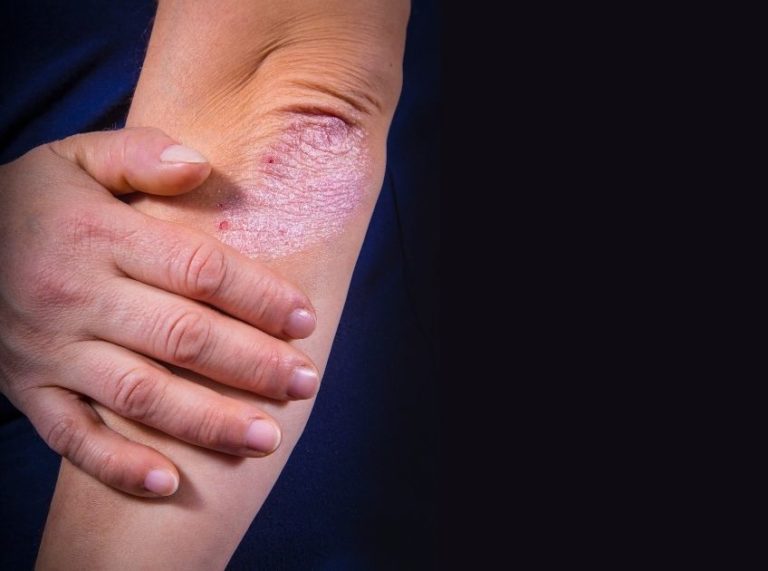
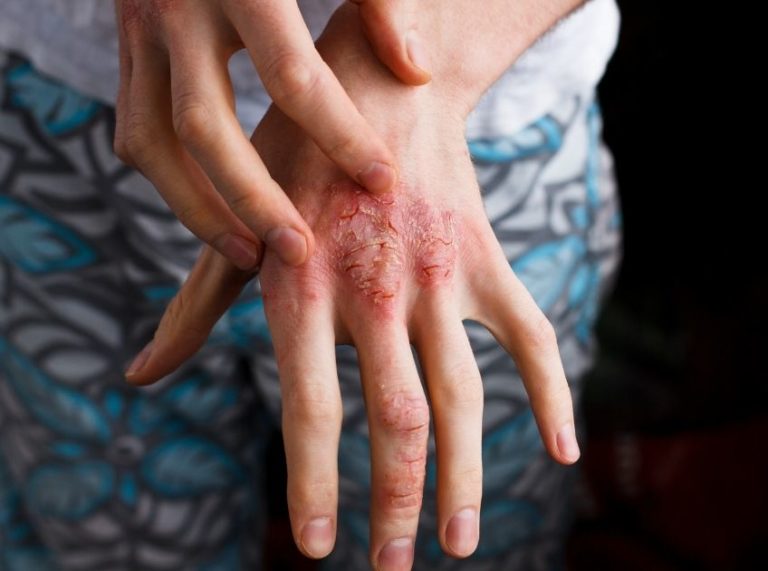
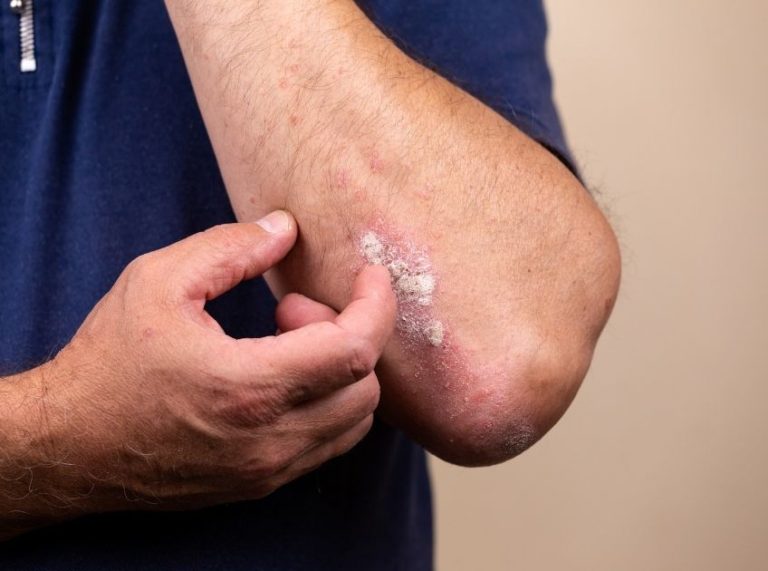
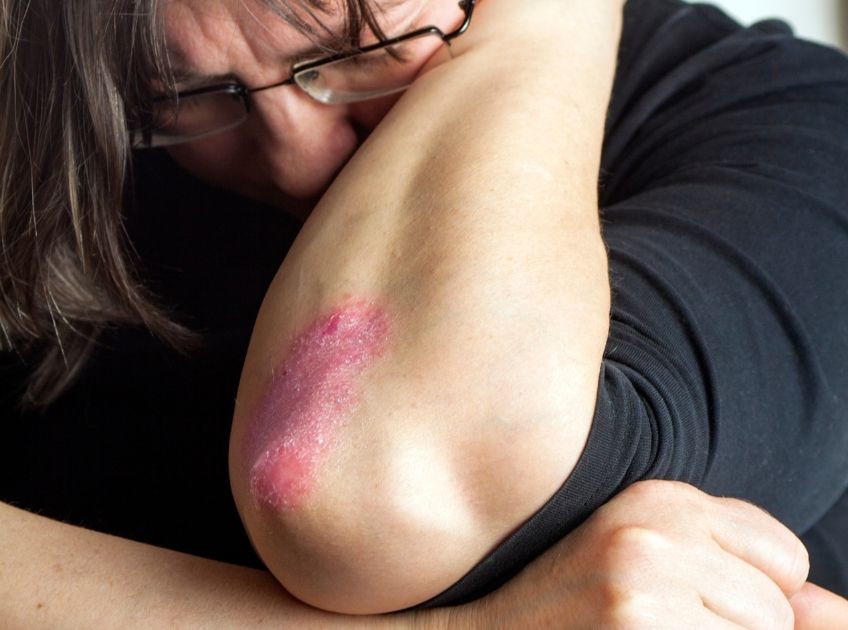
Psoriasis is more than just a skin condition—it’s an immune-driven inflammatory disorder that accelerates the life cycle of skin cells. This leads to raised, red, scaly patches that may itch, crack, or become painful. While conventional treatments like topical steroids, systemic medications, and biologics are often effective, many people turn to herbal remedies as complementary support to manage symptoms such as inflammation, dryness, and flare-ups.
Herbs have long been used in traditional medicine systems like Ayurveda, Traditional Chinese Medicine (TCM), and Western herbalism for their anti-inflammatory, antioxidant, and skin-soothing properties. While they are not a cure, emerging research points to their potential benefits when paired with a dermatologist-approved treatment plan.
Below, you’ll find some of the most studied and widely used herbs for psoriasis support.
Herbal Allies for Psoriasis Relief: 7 Options to Consider
1. Turmeric (Curcuma longa)
Turmeric is one of the most widely researched herbs for inflammatory conditions, including psoriasis. Its golden pigment comes from curcuminoids, especially curcumin—a compound known to influence multiple inflammatory pathways.
Why it May Help Psoriasis:
- Curcumin suppresses TNF-alpha, IL-17, and IL-23, which are key immune markers involved in psoriatic inflammation.
- It acts as a potent antioxidant, protecting skin cells from oxidative stress.
- Some small clinical studies suggest that topical curcumin gels and oral supplements may help reduce plaque thickness and redness (1).
How to Use Turmeric:
- Add turmeric to meals with a fat source (like ghee or olive oil) for better absorption.
- Drink turmeric tea or golden milk.
- Consider standardized curcumin supplements for therapeutic effects.
Best note: Curcumin’s absorption improves when paired with black pepper (piperine).
2. Aloe Vera
Aloe vera has been used in traditional medicine for centuries to soothe irritated, inflamed, or dry skin—symptoms commonly seen in psoriasis.
Why it May Help Psoriasis:
- Aloe’s gel contains polysaccharides, vitamins, and antioxidants that calm redness and reduce irritation.
- It increases hydration and may help soften scales.
- Some research suggests that aloe vera extract creams can reduce plaque thickness in mild to moderate psoriasis (2).
How to Use Aloe Vera:
- Apply pure aloe vera gel (preferably from a fresh leaf) to affected areas 2–3 times daily.
- For internal use, drink small amounts of aloe juice, but only products labeled as safe for consumption.
Best note: Always patch-test aloe first—some people may experience irritation, though it’s uncommon.
3. Oregon Grape (Mahonia aquifolium)
Oregon grape root is gaining popularity in dermatology because of its rich content of berberine—a compound with antimicrobial and anti-inflammatory properties.
Why it May Help Psoriasis:
- Berberine helps slow down keratinocyte overgrowth, which contributes to thickened plaques.
- Clinical studies have shown Oregon grape cream can significantly reduce scaling, itching, and redness (3).
- Its antimicrobial properties may help protect cracked skin from infections.
How to Use Oregon Grape:
- Topical creams containing 10% Mahonia aquifolium extract can be applied directly to plaques.
- Tinctures are sometimes used but should be taken only under supervision.
Best note: Avoid applying to broken skin, as it may sting.
4. Neem (Azadirachta indica)
Neem is a cornerstone herb in Ayurveda and is traditionally known as a natural “skin purifier.” Both the leaves and oil are used for inflammatory skin conditions, including psoriasis.
Why it May Help Psoriasis:
- Neem has strong anti-inflammatory and antimicrobial properties (4).
- It may help reduce redness, scaling, and itching.
- Neem oil helps lock in moisture, improving dryness and flaking on elbows, scalp, and knees.
How to Use Neem:
- Neem oil can be diluted with coconut or jojoba oil and applied to plaques.
- Neem leaf powder can be used in pastes or added to warm baths.
- Neem capsules or teas are available, but internal use should be supervised due to strong potency.
Best note: Neem oil has a natural, pungent smell—dilution helps make it easier to use regularly.
5. Milk Thistle (Silybum marianum)
Milk thistle is a liver-supportive herb often used in inflammatory conditions, including psoriasis, where detoxification pathways can play a role.
Why it May Help Psoriasis:
- Its active compound, silymarin, is a strong antioxidant that may help regulate inflammatory responses in the skin.
- Because psoriasis may worsen with oxidative stress, silymarin’s free-radical scavenging abilities offer indirect support.
- Some studies suggest milk thistle may help improve systemic inflammation markers (5).
How to Use Milk Thistle:
- Available as capsules, tinctures, or powders.
- It can also be consumed as tea, though it’s less concentrated.
Best note: People with hormone-sensitive conditions should consult a doctor before use.
6. Ginger (Zingiber officinale)
Ginger is known for its systemic anti-inflammatory benefits and may play a supportive role in reducing psoriasis-related inflammation.
Why it May Help Psoriasis:
- Ginger contains gingerols and shogaols, which inhibit inflammatory mediators like prostaglandins (6).
- Drinking ginger tea regularly may help reduce systemic inflammation that contributes to flare-ups.
- Its warming effect improves circulation, which can support overall skin healing.
How to Use Ginger:
- Drink freshly grated ginger tea daily.
- Add ginger to meals, juices, or smoothies.
- Use ginger capsules if recommended by a healthcare provider.
Best note: Ginger may thin the blood; avoid high doses if you’re taking anticoagulants.
7. Chamomile (Matricaria recutita)
Chamomile is one of the gentlest herbs for irritated, inflamed skin and is commonly used in natural skincare remedies.
Why it May Help Psoriasis:
- Contains apigenin, chamazulene, and bisabolol, which calm inflammation and help reduce itching (7).
- Its soothing properties are especially helpful during flare-ups when plaques feel tender or hot.
- Chamomile may help improve sleep—important because stress and poor sleep can trigger psoriasis.
How to Use Chamomile:
- Apply chamomile-infused creams or ointments to affected skin.
- Drink chamomile tea to support relaxation and inflammation control.
- Chamomile baths can help soothe large affected areas.
Best note: Those allergic to ragweed may also react to chamomile; patch-test first.
Additional Herbs That May Offer Skin Comfort
Beyond the seven main herbs above, several others show promise for psoriasis management:
- Burdock root, traditionally used to purify the blood and support skin clarity
- Calendula, known for soothing and moisturizing dry, cracked skin
- Gotu kola, used in TCM and Ayurveda to support wound healing and collagen formation
- St. John’s wort, which may help reduce inflammation and itching when used topically
- Green tea extract, rich in polyphenols that may help reduce oxidative stress on the skin
These herbs may be used as teas, topical creams, tinctures, or supplements, depending on the form and purpose.
Safety First: What to Know Before Trying Herbal Remedies
While herbs can offer supportive benefits, they are not risk-free. Some considerations include:
- Allergic reactions are possible, especially with topical herbs like chamomile or neem.
- Drug interactions can occur, particularly with herbs like turmeric and milk thistle that affect metabolism pathways.
- Inconsistent quality is common with herbal supplements; always choose reputable brands.
- Topical irritation may happen if the extract is too concentrated or applied to broken skin.
- Pregnancy and breastfeeding precautions should be discussed with a healthcare provider before using any herbal product.
Herbs should be used as complementary support—not as replacements for medical treatments prescribed by a dermatologist.
What Research Says About Herbal Support for Psoriasis
Several herbs, including turmeric, Oregon grape, and aloe vera, have been evaluated in clinical or preclinical studies for their anti-inflammatory, antioxidant, or immunomodulating effects.
For Example:
- Curcumin has shown potential in reducing psoriasis severity by inhibiting inflammatory pathways (1).
- Oregon grape creams have been shown in some clinical trials to improve scaling, redness, and itching (3).
- Aloe vera extracts may help improve mild to moderate psoriasis symptoms in certain studies (2).
More high-quality research is still needed, but existing evidence and longstanding traditional use suggest herbs can provide meaningful symptom support when used correctly.
Frequently Asked Questions (FAQ’S)
1. Can herbs cure psoriasis?
A. No. Psoriasis is a chronic, immune-mediated condition. Herbs can help support symptom relief, reduce inflammation, and calm flare-ups, but they are not a cure.
2. Are herbal treatments safe to use with prescription medications?
A. Some are, but not all. Certain herbs can interact with medications, especially blood thinners, immunosuppressants, and diabetes drugs. It’s best to consult your healthcare provider or dermatologist before combining treatments.
3. How long does it take for herbal remedies to show results?
A. Herbs generally take several weeks to months to show noticeable effects. Consistency and proper use are key. Combining herbs with medical treatment and healthy lifestyle habits creates the best outcomes.
Herbal remedies can play a valuable role in supporting psoriasis management by helping reduce inflammation, soothe irritated skin, and promote overall wellness. While they are not a substitute for medical treatments, they can complement your current plan when used carefully and under guidance. Whether you’re exploring turmeric, aloe, Oregon grape, or other botanicals, understanding how these herbs work—and their potential risks—can help you make informed decisions on your journey to healthier skin.