Important: This article is for informational purposes only. Please read our full disclaimer for more details.
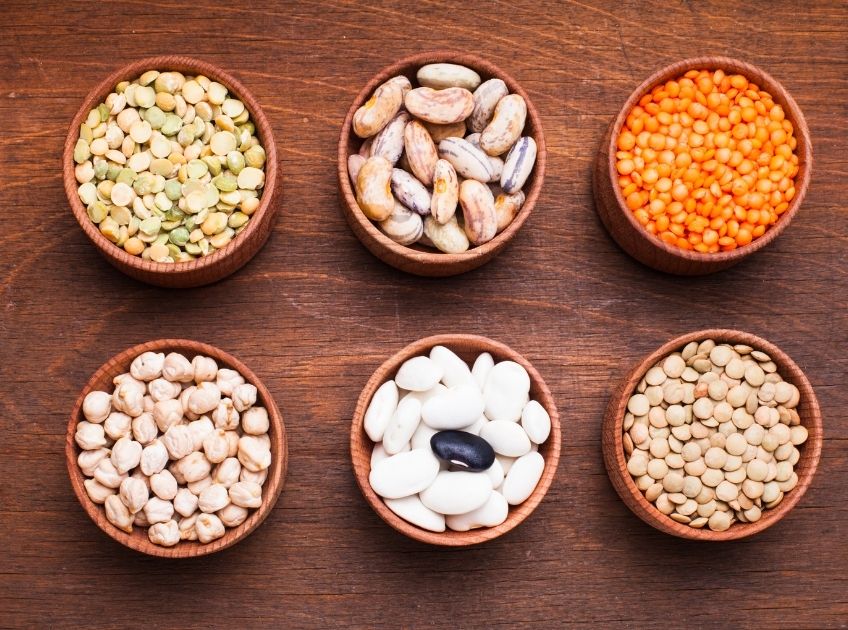
Beans have been a nutritional staple across cultures for centuries — and for good reason. They’re rich in plant-based protein, fiber, antioxidants, and essential minerals that support heart health, digestion, and long-lasting energy. For anyone looking to increase protein intake without relying heavily on animal products, beans are a powerful ally.
Beyond their affordability and versatility, research highlights that regular consumption of legumes is linked to improved metabolic health, better weight management, and reduced inflammation. Whether you follow a vegetarian diet, a high-protein lifestyle, or simply want healthier pantry staples, protein-rich beans can make meeting your nutritional goals easier and more enjoyable.
Your High-Protein Pantry Stars: Seven Beans That Deliver Serious Nutrition
Protein needs vary depending on age, activity level, and health goals, but beans remain one of the most nutrient-dense plant proteins available. They offer a powerful combination of amino acids, fiber, minerals, antioxidants, and slow-digesting carbohydrates — making them a nutritional cornerstone for both plant-based and omnivorous eaters.
Below is an expanded, in-depth look at the top seven high-protein beans, including how they support health, why research backs them, and smart ideas for using them in everyday meals.
1. Lentils — 9 Grams of Protein per ½ Cup
Lentils come in several varieties: green, red, brown, and black (beluga). Regardless of the type, they deliver impressive amounts of protein in a small serving.
Why Lentils Stand Out:
- They contain polyphenols, known for their antioxidant and anti-inflammatory actions.
- Their high folate and iron content support red blood cell formation and energy levels.
- Their soluble fiber slows digestion, helping stabilize blood sugar — valuable for diabetics.
What Studies Suggest: Clinical studies show that lentils may reduce LDL cholesterol and promote gut microbial diversity due to their resistant starch content (1).
Easy Ways to Use Lentils:
- Add cooked lentils to salads and grain bowls
- Prepare hearty lentil soups or dal
- Use red lentils for creamy curries
- Make lentil patties or lentil-stuffed wraps
2. Chickpeas — 7 Grams of Protein per ½ Cup
Chickpeas are one of the most versatile legumes, offering a nutty flavor and a filling texture.
Nutritional Highlights:
- Excellent source of manganese, crucial for metabolism
- Provide resistant starch, improving insulin response
- High in choline, which supports brain and liver function
What Research Shows: Regular chickpea consumption is linked to improved appetite control and better glycemic regulation. Their fiber aids digestive health and supports beneficial bacteria (2).
Best Ways to Enjoy Chickpeas:
- Roast them for crunchy snacks
- Blend into hummus
- Add to curries, stews, and Mediterranean salads
- Use chickpea flour for protein-rich pancakes and baked goods
3. Black Beans — 7.5 Grams of Protein per ½ Cup
Black beans are deeply pigmented, indicating higher antioxidant concentrations — particularly anthocyanins, the same compounds found in berries.
Why Black Beans Are Exceptional:
- Offer significant amounts of magnesium, essential for muscle and nerve function
- Contains slow-digesting starch, which reduces spikes in blood sugar
- Support heart health through soluble fiber
Scientific Insights: Studies suggest that black bean consumption may reduce oxidative stress and support metabolic health. Their fiber content helps lower cholesterol and improve digestion (3).
Delicious Ways to Use Black Beans:
- Add to tacos, burritos, and fajitas
- Make black bean soups or stews
- Prepare black bean burgers
- Mix into rice bowls or salads
4. Kidney Beans — 8 Grams of Protein per ½ Cup
Kidney beans are known for their dense texture and nutrient richness, making them a staple in many cuisines.
Key Health Benefits:
- Rich in manganese, supporting metabolic function
- High in folate and vitamin B6, essential for brain and nerve health
- Provide soluble fiber that binds to cholesterol
Important Safety Note: Raw or undercooked kidney beans contain phytohemagglutinin, which is toxic — always cook thoroughly.
How Research Supports Their Benefits: Clinical findings highlight their role in blood sugar control due to their low glycemic load and slow-digesting starch (4).
Tasty Uses in Cooking:
- Chili, stews, and casseroles
- Mixed bean salads
- Kidney bean tikkis or cutlets
- Paired with rice or quinoa for complete protein
5. Pinto Beans — 7 Grams of Protein per ½ Cup
Pinto beans are beloved for their creamy texture and mild taste, especially in Mexican and Southwestern dishes.
Why Pinto Beans Are Valuable:
- High in kaempferol, an antioxidant linked to reduced risk of chronic disease
- Rich in magnesium, supporting nerve and muscle balance
- It contains soluble fiber that aids in cholesterol management
Research Highlights: Studies show that pinto beans may help lower LDL levels and support cardiovascular health due to their fiber and antioxidant profile (5).
Delicious Cooking Ideas:
- Re-fried pinto beans for burritos
- Pinto bean soups or stews
- Healthy bean dips
- Mash into patties for plant-based burgers
6. Soybeans — 14 Grams of Protein per ½ Cup
Soybeans are the powerhouse of plant proteins — offering more protein than any other bean.
What Makes Soybeans Unique:
- They’re a complete protein, containing all essential amino acids
- Rich in isoflavones, which may support hormonal balance
- Provide iron, calcium, and potassium, essential for overall health
What Studies Show: Soy is linked to improved heart health, better cholesterol balance, and reduced inflammation. Research consistently supports its safety and benefits for most populations (6).
How to Include Soybeans:
- Edamame as a snack
- Tofu in stir-fries or scrambles
- Soy milk in smoothies
- Tempeh in sandwiches or salads
7. Navy Beans — 7.5 Grams of Protein per ½ Cup
Navy beans are small white beans that pack a surprising nutritional punch.
Key Benefits:
- Extremely high in soluble fiber, promoting digestive wellness
- High in molybdenum, supporting detoxification pathways
- Offer B vitamins that help in energy metabolism
Science-Backed Advantage: Studies show that navy beans can support bowel regularity, improve gut health, and aid in managing cholesterol levels (7).
Easy Ways to Use Them:
- Bean soups and chowders
- Navy bean dips
- Add to salads and casseroles
- Combine with herbs for protein-rich spreads
Bean Nutrition at a Glance: A Clear Comparison Table
Below is a nutrient comparison to help you see how these beans stack up. Values are based on a ½ cup cooked serving (approximate averages).
| Bean | Protein (g) | Fiber (g) | Iron (mg) | Key Benefit |
| Lentils | 9 | 7.8 | 3.3 | Supports blood sugar and digestive health |
| Chickpeas | 7 | 6.2 | 2.4 | Promotes fullness and metabolic balance |
| Black Beans | 7.5 | 7.5 | 1.8 | High antioxidant support |
| Kidney Beans | 8 | 6.5 | 2.6 | Helps stabilize blood sugar |
| Pinto Beans | 7 | 7 | 2.2 | Heart-healthy fiber and antioxidants |
| Soybeans | 14 | 5 | 4.4 | Complete plant protein source |
| Navy Beans | 7.5 | 9.6 | 2.1 | Excellent for digestive wellness |
These values emphasize why beans are extraordinary, nutrient-dense foods that complement nearly any diet.
Smart Ways to Pick the Healthiest Beans
Choosing the right beans can elevate both nutrition and flavor. Here’s what an expert dietitian typically recommends:
- Opt for Minimally Processed Options: Dry beans are ideal because they contain fewer additives and lower sodium than canned versions.
- Check Sodium Levels When Buying Canned Beans: If you prefer canned beans, choose low-sodium or no-salt-added varieties. Rinsing canned beans can reduce sodium content by up to 40 percent.
- Look for Organic Varieties When Possible: Organic beans reduce exposure to pesticide residues, especially for frequently consumed legumes like soybeans and chickpeas.
- Prioritize Color-Rich Beans for Antioxidant Benefits: Darker beans, such as black beans and kidney beans, often contain higher levels of protective plant compounds.
Are There Beans You Should Avoid?
- Raw or Undercooked Kidney Beans: They contain phytohemagglutinin, a natural toxin that can cause severe digestive issues. Proper cooking destroys it, making fully cooked kidney beans perfectly safe.
- Refried Beans Made with Unhealthy Fats: Many packaged refried beans contain hydrogenated oils or excess sodium. Opt for versions made with olive oil or prepare them at home.
- Beans Cooked with Excessive Salt or Preservatives: Some canned varieties contain high salt or additives that reduce their nutritional value. Always check labels and rinse before serving.
There are no “bad beans,” but preparation and sourcing matter significantly.
Frequently Asked Questions (FAQ’S)
1. Can beans replace meat for protein?
A. Yes, especially soybeans and lentils, which offer substantial protein. While most beans are not complete proteins on their own, combining them with grains provides all essential amino acids.
2. Will eating beans daily cause digestive issues?
A. Some people may experience gas initially due to bean fiber. Gradually increasing intake and rinsing beans well can minimize discomfort. Many individuals adapt over time.
3. Are beans suitable for weight-loss diets?
A. Absolutely. Their combination of protein, fiber, and slow-digesting carbohydrates helps control appetite and maintain steady energy levels.
High-protein beans are a nutritional powerhouse that deserves a regular spot on your plate. From lentils and chickpeas to soybeans and navy beans, each variety offers a unique mix of protein, fiber, minerals, and antioxidants that support overall health. They’re budget-friendly, easy to prepare, and versatile enough for countless recipes.