Important: This article is for informational purposes only. Please read our full disclaimer for more details.
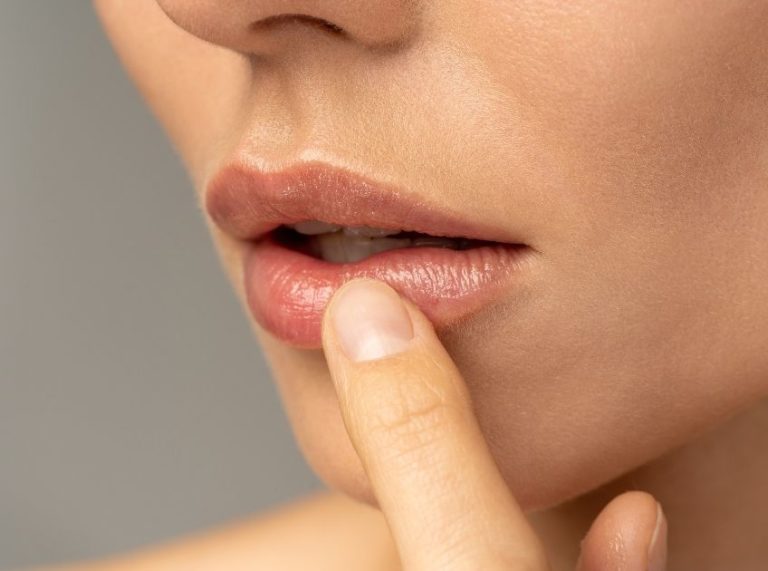
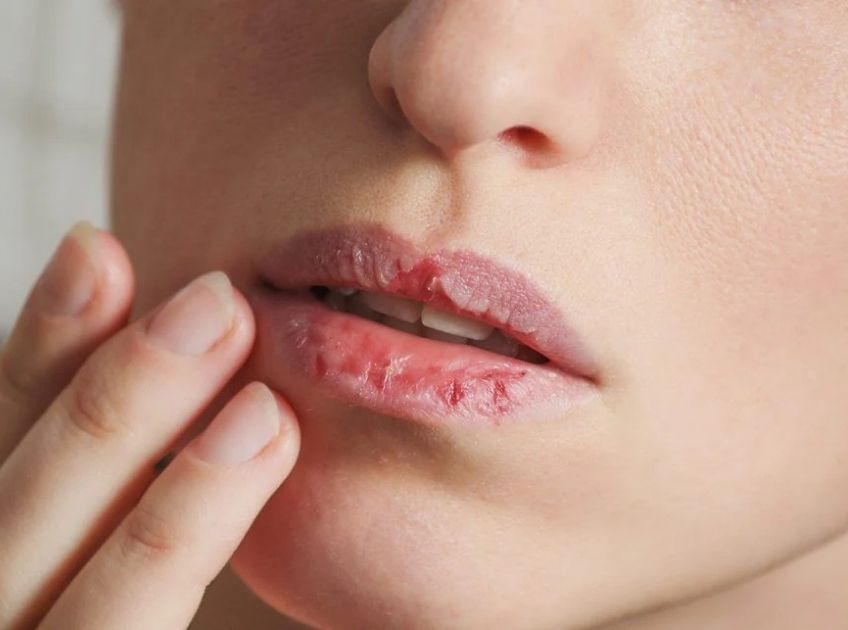
Dry, cracked, or peeling lips can feel painful, embarrassing, and endlessly frustrating. And the worst part? Even constant lip balm usually doesn’t fix it — because you’re treating the symptom, not the cause.
Research shows that lips lack oil glands, making them far more vulnerable to moisture loss, sun exposure, and irritants than the rest of your skin (1). That’s why home remedies that repair the lip barrier, lock in moisture, and protect the skin work so well.
Below are 5 dermatologist-backed natural treatments that soothe chapped lips fast — using ingredients you already have at home.
5 Best Home Remedies for Chapped Lips (DIY + Backed by Research)
1. Start With Gentle Lip Exfoliation
Why it works: Dead skin buildup blocks moisture from penetrating the lips. Light exfoliation removes flakes so hydrating ingredients can actually reach your skin barrier.
How to Make a Homemade Lip Scrub:
- 1 tbsp sugar or sea salt (exfoliant)
- 1 tbsp honey or coconut oil (emollient)
- Mix & apply in circles for 20 seconds
- Wipe with a warm, damp cloth
Sugar scrubs exfoliate mechanically, while honey provides mild enzymatic exfoliation and antimicrobial benefits (2).
Usage: Use 2–3 times weekly.
2. Coconut Oil (Deep Moisturizing Barrier Repair)
Research shows coconut oil improves skin barrier function and reduces water loss thanks to its high fatty acid content (3). It also offers antibacterial and anti-inflammatory benefits.
How to use it:
- Dab a small amount of organic coconut oil
- Apply 3–5 times per day
- Especially helpful in winter dryness
Best for: Severely dry, peeling, or cracked lips.
3. Aloe Vera Gel (Soothing & Anti-Inflammatory)
Aloe vera is proven to reduce inflammation, soothe irritated skin, and help wound healing (4). Its mild natural enzymes act as a gentle exfoliant — which is why overuse can cause sensitivity.
How to use it:
- Use organic gel or scoop directly from a leaf
- Apply 2–3 times per day only
- Best for sunburned, irritated, or inflamed lips
Bonus benefit: Aloe also protects against UV-induced damage (5).
4. Honey (Natural Healer & Antibacterial Agent)
Honey is one of the world’s oldest healing ingredients. Modern research shows it has potent antimicrobial, anti-inflammatory, and wound-healing properties (6).
How to use it:
- Use pure organic honey
- Apply a thin layer 2–4 times daily
- Especially useful for cracked lips or minor bleeding
Safety note: Avoid if you are allergic to pollen or bee products.
5. Avocado Butter (Ultra-Rich Hydration)
A review of cosmetic ingredients shows avocado butter is rich in oleic acid, linoleic acid, and antioxidants that support skin softness and barrier repair (7).
How to use it:
- Buy organic avocado butter or blend your own
- Apply with a clean finger throughout the day
- Great for extremely dry or aging lips
Why it works: Avocado butter absorbs fast and forms a soft protective seal without being greasy.
6. Bonus Remedy: Petroleum Jelly (AAD Recommended)
The American Academy of Dermatology (AAD) recommends petroleum jelly as one of the most effective remedies for dry lips because it locks in moisture longer than oils and waxes (8).
How to Use:
- All day + always before sleep
- Avoid on sunburned lips (it can trap heat)
How to Prevent Chapped Lips (Dermatologist-Backed Tips)
- Don’t lick your lips: Saliva evaporates fast and leaves lips even drier, causing irritation and worsening cracks.
- Stay hydrated: Drinking enough water keeps your lips moisturized from within and prevents dryness from returning.
- Use a humidifier: Adding moisture to indoor air helps stop your lips from drying out overnight or in winter.
- Avoid irritants: Fragrances, menthol, cinnamon, alcohol, and dyes can irritate delicate lip skin and trigger dryness.
- Use SPF lip balm daily: Sun exposure breaks down lip skin, so SPF protection prevents chronic dryness and long-term damage.
- Breathe through your nose: Mouth breathing increases airflow over lips, reducing moisture and making them dry much faster.
Frequently Asked Questions (FAQ’S)
1. Why do lips get chapped so easily?
A. Lips don’t have oil glands like the rest of your skin, so they lose moisture faster. Cold weather, dehydration, frequent lip-licking, and harsh products can all make dryness worse. That’s why simple home remedies like oils, aloe vera, or ghee work—they provide the natural moisture your lips can’t produce on their own.
2. Are home remedies safe for sensitive lips?
A. Most natural remedies like honey, coconut oil, aloe vera, and cucumber are gentle enough for sensitive lips. However, avoid lemon juice, strong scrubs, or anything spicy, as these can irritate delicate lip skin. Always test a small amount first if you have allergies.
3. How long do home remedies take to heal chapped lips?
A. With consistent care, mild chapped lips improve in 1–3 days using remedies like honey, oils, or shea butter. Severe dryness, cracks, or peeling may take up to a week. The key is regular application and avoiding habits like licking or peeling the skin.
4. Can I exfoliate my chapped lips daily?
A. No—exfoliating daily can make dryness worse. Gently exfoliate 1–2 times a week using a soft homemade scrub like sugar + honey or a damp cloth. This removes dead skin without damaging the fresh healing layer underneath.
5. Which home remedy works the fastest?
A. Honey is one of the fastest-acting remedies because it hydrates and repairs at the same time. Coconut oil and ghee also work quickly by sealing moisture into the lips. Applying them multiple times a day gives the best results.
Precautons:
1. What Should I Avoid When My Lips are Chapped?
- Avoid licking your lips, using matte lipsticks, strong flavored lip balms, spicy foods, and menthol-based lip products. These strip moisture and slow down healing. Stick to gentle, fragrance-free balms and soothing natural remedies.
2. Can I sleep with home remedies on my lips?
- Yes! Overnight treatments work extremely well because your lips stay moisturized for hours. Apply a thick layer of coconut oil, aloe gel, or shea butter before bed to wake up with softer, smoother lips.
3. When should I see a dermatologist?
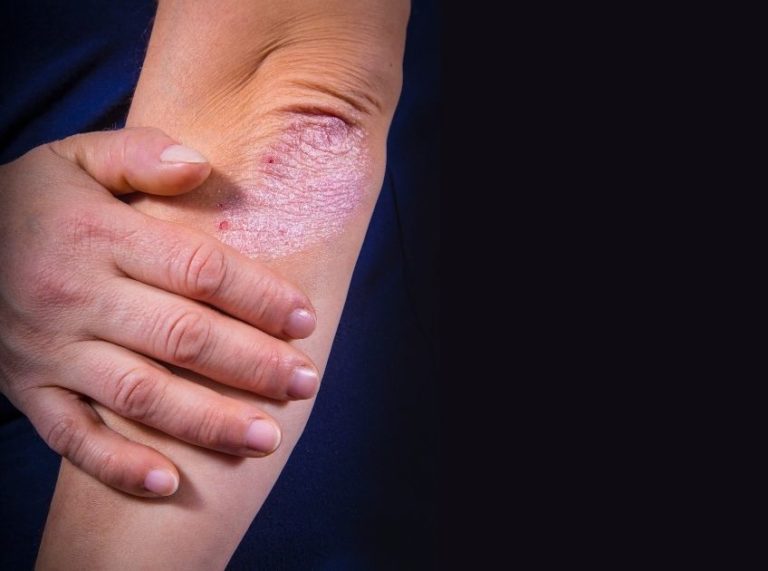
- If your lips stay cracked for more than 1–2 weeks, bleed frequently, or develop dark patches or severe pain, it may be more than simple dryness. Conditions like eczema, yeast infections, or vitamin deficiencies can mimic chapped lips and need professional care.
Chapped lips are uncomfortable, but with the right natural remedies — from coconut oil to honey and avocado butter — you can repair the lip barrier, restore moisture, and prevent future dryness. These simple DIY treatments are effective, science-backed, gentle, and perfect for everyday use.