Important: This article is for informational purposes only. Please read our full disclaimer for more details.
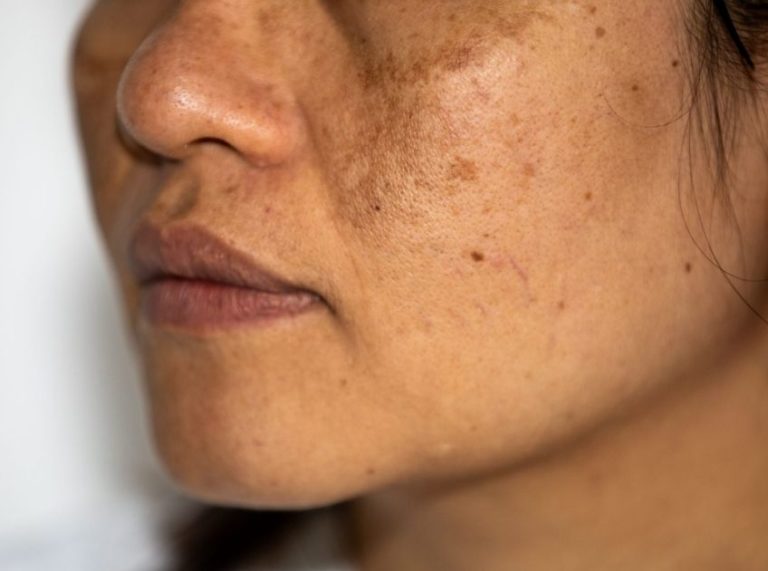
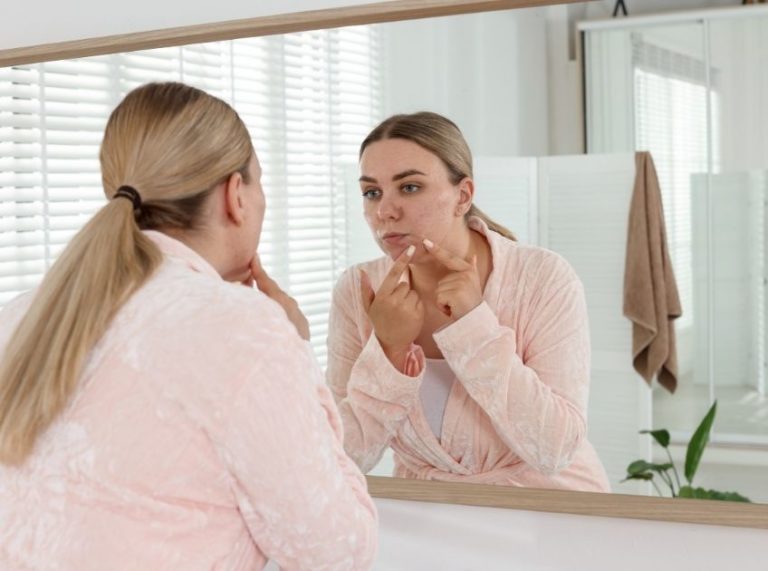
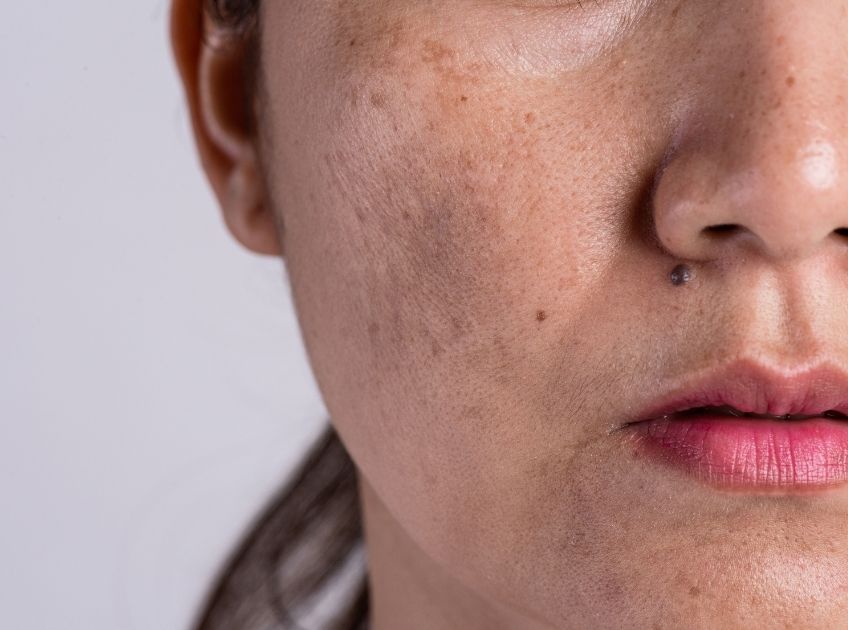
Dark spots — also known as hyperpigmentation — are among the most common skin concerns. They appear when the skin produces excess melanin due to triggers such as sun exposure, acne, hormonal changes, inflammation, or skin injuries. While professional treatments like chemical peels, lasers, and prescription creams are effective, many people prefer starting with gentler, at-home options that support gradual brightening.
Home remedies cannot erase dark spots overnight, but research shows certain natural ingredients contain antioxidants, skin-repairing nutrients, and botanical compounds that may help reduce pigmentation with consistent use. The key is understanding how each remedy works, using it safely, and knowing when to seek professional guidance.
7 Natural Remedies That Can Support Dark Spot Fading
Here are seven home remedies that have shown potential in scientific or dermatology-backed contexts for reducing hyperpigmentation.
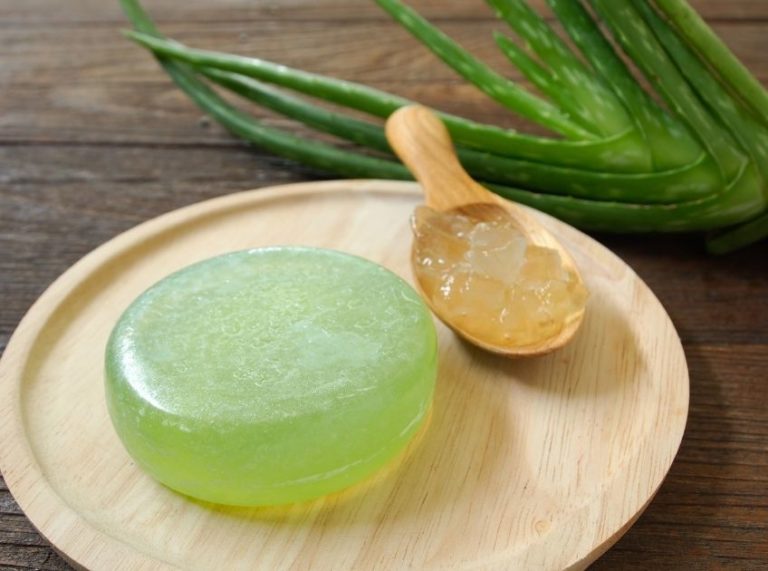
1. Aloe Vera Gel for Calming Pigmentation
Aloe vera contains aloesin, a compound studied for its melanin-inhibiting effects. Early research suggests aloesin may help lighten UV-induced pigmentation by slowing down the activity of tyrosinase — the enzyme responsible for melanin production (1).
How to use: Apply a thin layer of fresh aloe vera gel to dark spots nightly. Leave it on overnight and rinse in the morning.
2. Lemon Juice (Diluted) for Mild Brightening Effects
Lemon contains vitamin C and citric acid, both known for their exfoliating and brightening effects. However, it must always be diluted to prevent irritation.
How to use: Mix one part lemon juice with three parts water. Apply to dark spots for 5–10 minutes, then rinse.
Note: Avoid sunlight immediately after using lemon, as it can increase sensitivity.
3. Green Tea Extract for Antioxidant Support
Green tea contains epigallocatechin gallate (EGCG), an antioxidant studied for its ability to reduce excess pigmentation caused by inflammation (2).
How to use: Dip a green tea bag in warm water, let it cool, and apply the tea-soaked bag directly onto dark spots for several minutes daily.
4. Turmeric Paste to Reduce Inflammation and Brighten
Turmeric contains curcumin, a compound with anti-inflammatory and melanin-regulating effects. Some studies suggest curcumin can help reduce hyperpigmentation by interfering with pigment-producing pathways (3).
How to use: Mix turmeric with yogurt or honey to create a thick paste. Apply for 10–15 minutes and rinse well to avoid staining.
5. Apple Cider Vinegar for Gentle Exfoliation
Apple cider vinegar contains acetic acid, which may help lighten pigmentation when used correctly. Its mild exfoliating effect helps remove dead skin cells and may gradually fade dark spots.
How to use: Dilute 1 teaspoon of ACV in 2 tablespoons of water. Apply with a cotton ball, leave for 2–3 minutes, and rinse.
6. Rosehip Seed Oil for Skin Regeneration
Rosehip oil is rich in vitamins A and C, both essential for cell turnover and brightening. Small studies suggest it may improve the appearance of scars and discoloration over time (4).
How to use: Apply a few drops to clean skin nightly, focusing on uneven areas.
7. Potato Juice for Enzyme-Based Lightning
Potatoes contain catecholase, an enzyme believed to have mild skin-brightening effects. While scientific data is limited, many people use potato juice as a gentle home treatment for pigmentation (5).
How to use: Rub a slice of raw potato on dark spots for 5 minutes; leave the residue on for 10 minutes before rinsing.
Skincare Strategies That Keep Dark Spots from Worsening
Even the best remedies will fall short if daily habits unintentionally trigger more pigmentation. Here are essential safety measures.
- Prioritize Daily Sun Protection: Sun exposure is the number one driver of hyperpigmentation. Dermatologists emphasize broad-spectrum SPF 30 or higher every day — even indoors — because UV can penetrate windows.
- Patch Test All Home Remedies: Natural ingredients can still irritate skin. A patch test on the inner arm ensures you’re not sensitive to any ingredient.
- Avoid Over-Exfoliating: Too much scrubbing or acidic products can inflame the skin, leading to post-inflammatory hyperpigmentation (PIH). Balance is key.
- Introduce One Remedy at a Time: This helps identify what works for your skin and prevents overloading skin with actives that may irritate
When You Should Consider Seeing a Dermatologist
While home remedies can help mildly uneven pigmentation, professional intervention may be needed in certain situations.
- When Spots Are Dark, Widespread, or Quickly Increasing: This may indicate melasma, deep dermal pigmentation, or underlying UV damage that requires targeted treatments.
- When Hyperpigmentation Is Not Improving After 8–12 Weeks: Dermatologists can offer prescription-strength options such as hydroquinone, azelaic acid, tretinoin, or chemical peels.
- When Spots Change in Shape or Color: Any sudden change in pigmentation should be evaluated to rule out more serious conditions such as melanoma or skin precancer.
What the Research Says About Natural Pigment-Lightening Ingredients
Dermatology literature highlights that:
- Aloesin from aloe vera may decrease melanin activity (1).
- Vitamin C–rich ingredients (like lemon) can support brightening, but must be used cautiously (6).
- Curcumin shows promise in reducing hyperpigmentation due to active anti-inflammatory pathways (3).
- Green tea polyphenols may provide antioxidant benefits that reduce discoloration triggered by oxidative stress (2).
- Rosehip oil’s vitamin A content may support cell turnover similar to mild retinoids (4).
Although more robust studies are needed for many natural remedies, early evidence supports their potential role in improving uneven skin tone when used consistently and safely.
Frequently Asked Questions (FAQ’S)
1. How long do home remedies take to fade dark spots?
A. Most natural treatments take 4–12 weeks of consistent use to show a visible change. Results vary depending on the depth of pigmentation and skin type.
2. Are home remedies safe for sensitive skin?
A. Some are safe, but acidic ingredients like lemon or ACV may irritate sensitive skin. Always dilute them and perform a patch test.
3. Can home remedies replace clinical treatment?
A. Home remedies can help mild pigmentation, but deeper dermal spots or melasma typically require dermatological treatments for significant improvement.
Dark spots can be stubborn, but natural remedies like aloe vera, turmeric, rosehip oil, green tea, and diluted ACV may help gently fade discoloration over time. By combining safe, science-supported ingredients with essential habits such as sun protection, patch testing, and balanced skincare, you can gradually achieve a clearer, more even complexion.
If discoloration persists or worsens, a dermatologist can recommend targeted treatments to accelerate fading. With consistency, patience, and safe practices, fading dark spots at home becomes achievable and effective.