Important: This article is for informational purposes only. Please read our full disclaimer for more details.
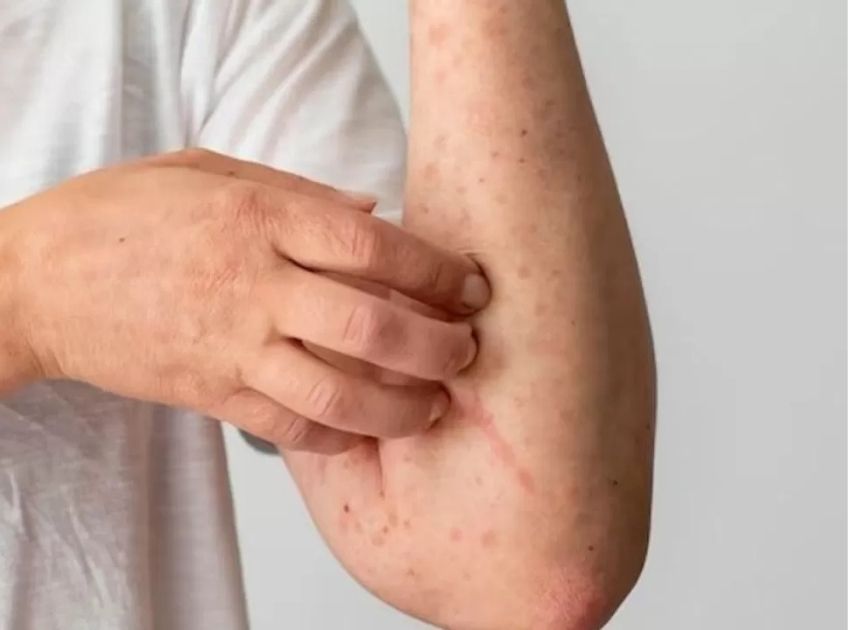
Dealing with scabies can be an incredibly itchy and frustrating experience. Caused by the tiny Sarcoptes scabiei mite, this condition involves microscopic pests burrowing under your skin to lay eggs. While prescription creams (like Permethrin) are the clinical standard, many people look to natural remedies to soothe the intense itching or support the healing process.
Here is a guide to the most effective home-based interventions and the vital “cleaning protocol” required to stop the cycle.
Top Natural Remedies for Scabies
While these remedies show promise, remember that natural oils often struggle to reach the eggs buried deep in the skin. They are best used as supportive care or for symptom relief.
1. Tea Tree Oil: The Multi-Tasker
Tea tree oil is a powerhouse in the world of natural healing. A 2022 review highlighted it as a promising option for cases resistant to typical treatments.
How it works: It is antibacterial, anti-inflammatory, and “acaricidal”—meaning it can actually kill the mites.
The Catch: It is excellent at healing the surface rash and stopping the itch, but it may not penetrate deep enough to kill unhatched eggs.
2. Neem Oil & Leaf
Neem has been used in Ayurvedic medicine for centuries. It contains compounds that can weaken the exoskeleton of the mites, making it harder for them to survive and reproduce.
Best Form: Look for neem-based soaps or creams with a concentration between 20% and 60%.
3. Aloe Vera: The Itch Quencher
If your skin is raw and inflamed from scratching, Aloe Vera is your best friend. A small study found that pure Aloe Vera gel was almost as successful as some prescription treatments in clearing the rash, with zero reported side effects.
4. Clove & Essential Oils
Clove oil contains eugenol, a potent component that can damage the gut and outer shell of the scabies mite.
Other helpful oils: If you don’t have clove, oils like lemongrass, lavender, and eucalyptus also possess mild antimicrobial properties that can soothe the skin.
Safety Note: Always dilute essential oils with a carrier oil (like coconut or jojoba) before applying to the skin to avoid chemical burns.
A Note on Cayenne Pepper
Some people suggest adding cayenne pepper to a warm bath to “burn out” the mites. While the capsaicin in the pepper can desensitize your skin’s pain receptors and temporarily dull the itch, there is no solid scientific evidence that it kills the mites. Use this with caution, as it can be very irritating to sensitive areas!
The “Decontamination” Protocol
You can treat your skin perfectly, but if you don’t treat your home, you will likely be re-infested within days. Scabies mites can live for 3–4 days away from a human host.
- The Heat Treatment: Wash all bedding, towels, and clothing used in the last 3 days in hot water—at least 122°F (50°C).
- The High-Heat Dry: Dry everything on the highest heat setting for at least 20 minutes.
- The “Seal & Starve” Method: Items that cannot be washed (like coats or decorative pillows) should be sealed in a plastic bag for at least 72 hours. The mites will starve to death without a human host.
- Vacuum Everything: Give your carpets and upholstered furniture a thorough vacuuming and discard the vacuum bag immediately.
When to See a Professional
Scabies is highly contagious. If your home remedies don’t show significant improvement within two weeks, or if the itching is preventing you from sleeping, see a doctor.
Warning: If you notice yellow crusting, red streaks, or pus, you may have developed a secondary bacterial infection from scratching. This requires immediate medical attention and likely antibiotics.
Frequently Asked Questions (FAQ’S)
1. Does vinegar kill scabies?
A. There is no scientific evidence that vinegar or apple cider vinegar kills scabies mites on the skin. It is better to stick to proven heat methods for fabrics and essential oils for skin relief.
2. Is scabies a sign of poor hygiene?
A. Absolutely not. Scabies doesn’t care how clean you or your home are; it is spread through direct, prolonged skin-to-skin contact or sharing infested bedding.
3. Can I get scabies from my pet?
A. No. While pets can get a type of mite called “mange,” those mites cannot survive or reproduce on humans. Human scabies is strictly a human-to-human condition.
4. Why am I still itching after the mites are gone?
A. This is known as “post-scabietic itch.” Even after the mites are dead, their remains and waste stay under the skin, and your immune system continues to react to them. It can take 2–4 weeks for the itch to fully subside.
5. How do I know if the treatment worked?
A. The main sign of success is the absence of new burrows or spots. Existing spots will take time to fade, but no new activity usually means the mites are gone.