Important: This article is for informational purposes only. Please read our full disclaimer for more details.
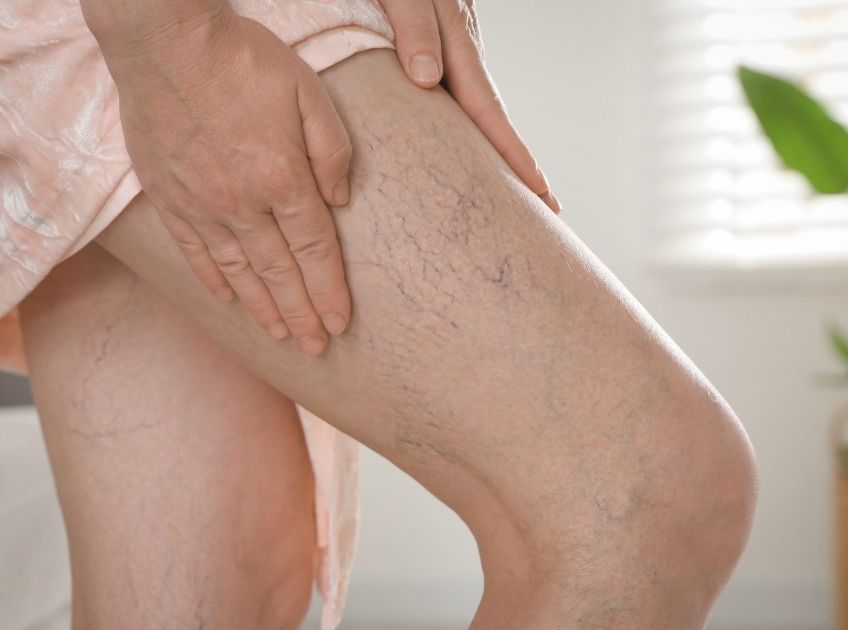
Varicose veins are common, especially in people who stand or sit for long periods, have a family history, or have had pregnancies. While home care cannot cure or “erase” varicose veins, the right habits and a few evidence‑supported remedies can ease pain, heaviness, and swelling and may slow progression. [1]
Top Home Remedies for Varicose Veins: Easy & Natural Relief
1. Compression Stockings
Graduated compression stockings are one of the most widely recommended conservative treatments for varicose veins and chronic venous disease. They gently squeeze the legs to improve blood flow, reduce pooling, and ease symptoms like aching, heaviness, and ankle swelling. [2]
How They Work: Stockings apply the strongest pressure at the ankle, with pressure gradually decreasing up the leg. This gradient helps push blood from the surface veins into deeper veins and back toward the heart, lowering venous pressure. [3]
How to Use – Step by Step
- Ask a healthcare professional which compression level and length (knee‑high, thigh‑high, or pantyhose) suit your condition.
- Measure your legs (ankle, calf, and sometimes thigh) in the morning before swelling starts, or have them measured in a clinic or medical supply store.
- Put stockings on first thing in the morning, ideally while lying or sitting with legs slightly raised.
- Smooth the fabric up the leg, avoiding wrinkles or rolling the top band.
- Wear them throughout the day when you are standing or sitting upright.
- Remove them before bed (unless your clinician tells you otherwise) and check your skin.
How Often to Wear: Most people are advised to wear compression stockings every day, from morning until bedtime, as part of ongoing conservative management. [4]
Precautions and Safety:
- Possible issues: itching, warmth, mild discomfort, or irritation if size or pressure is wrong.
- Use caution if you have severe arterial disease, certain heart conditions, active leg infections, or very fragile skin; you should only use compression under medical guidance.
- Check your legs regularly for sores, color changes, or areas that feel too tight.
Evidence: Clinical guidelines and reviews consistently list graduated compression as first‑line conservative care for symptomatic varicose veins and chronic venous insufficiency. [5]
2. Leg Elevation
Raising your legs above your heart is a simple, no‑cost way to reduce venous pressure and fluid buildup in the lower legs.
How It Works: When your feet are higher than your heart, gravity helps blood and fluid drain out of the leg veins, easing swelling and discomfort. [6]
How to Do It – Step by Step
- Lie on your back on a bed, sofa, or mat.
- Place pillows or a wedge under your calves and ankles, or rest your legs against a wall, so your feet are clearly above heart level.
- Relax in this position for 15–20 minutes, breathing normally.
- Repeat several times a day, especially after long stretches of sitting or standing.
How Often: Try 15–20 minutes, 3–4 times a day, or as often as is comfortable and practical. [7]
Precautions and Safety
- Most people tolerate leg elevation well; if you become short of breath when lying flat, talk to a clinician before doing long sessions.
- Move gently when you get up to avoid dizziness.
Evidence: Conservative‑management resources and vascular guidelines routinely recommend leg elevation to reduce venous pressure and help control edema in varicose vein patients. [8]
3. Regular Walking and Calf‑Muscle Exercises
Daily movement is one of the most helpful lifestyle changes for symptomatic varicose veins.
How It Works: Your calf muscles act as a “venous pump.” When they contract during walking or heel raises, they squeeze the deep veins and push blood back toward the heart, reducing venous pooling. [9]
How to Do It – Step by Step
- Choose low‑impact activities like brisk walking, cycling, or swimming.
- Start with 10–15 minutes and gradually build to around 30 minutes most days.
Add Simple Calf Raises:
- Hold a chair or wall for balance.
- Rise slowly onto your toes, hold for 1–2 seconds, then lower.
- Aim for 10–15 repetitions, 2–3 sets per day.
- Break up long sitting or standing by walking or stretching for a few minutes every 30–60 minutes.
How Often: Health guidance often suggests about 150 minutes per week of moderate activity plus daily calf activation, tailored to your abilities. [10]
Precautions and Safety
- Expect mild muscle soreness when starting.
- People with serious heart, lung, or mobility problems should get personalized exercise advice from a healthcare professional.
Evidence: Clinical guidance on varicose veins and chronic venous insufficiency consistently includes regular exercise as part of self‑management to improve venous return and overall vascular health. [11]
4. Weight Management
For people with overweight or obesity, gradual weight loss can reduce strain on the venous system.
How It Works: Extra weight increases pressure in the abdomen and legs, which makes it harder for blood to flow back to the heart. Losing weight reduces this pressure, which can ease symptoms and may slow the development of new varicose veins. [12]
How to Start – Step by Step
- Ask your clinician whether weight loss is recommended and what a safe target range might be.
- Focus on a balanced eating pattern with vegetables, fruits, whole grains, lean proteins, and healthy fats, while limiting highly processed foods and sugary drinks.
- Pair dietary changes with regular activity (such as walking and calf exercises).
- Aim for steady progress instead of rapid dieting.
How Often/Pace: Gradual loss of around 0.5–1 kg per week is often considered reasonable, but your exact goal should be individualized. [13]
Precautions and Safety
- Rapid or extreme dieting can cause fatigue, nutrient deficiencies, and other health issues.
- People who are underweight, pregnant, have eating disorders, or serious illness need specialist guidance before changing weight goals.
Evidence: Epidemiologic studies and clinical overviews identify obesity as a risk factor for varicose veins and chronic venous disease; weight management appears among core lifestyle recommendations. [14]
5. Loose Clothing and Avoiding Long Periods of Standing or Sitting
Small changes in clothing and posture can make a noticeable difference in leg comfort.
How It Works: Tight waistbands, shapewear, or restrictive clothing around the groin and thighs can compress veins and slow blood flow. Long periods of standing or sitting without movement also encourage pooling. Looser clothing and regular movement breaks help blood circulate more freely. [15]
How to Implement – Step by Step
- Choose clothes that do not tightly squeeze your waist, groin, or thighs for long periods.
- Avoid long‑duration, very tight shapewear over the lower abdomen and thighs.
- If you stand for work, shift your weight, march in place, or perform small heel raises regularly.
- If you sit a lot, keep your feet flat or on a small footrest and avoid crossing your legs for long periods.
- Set a reminder to move or stretch every 30–60 minutes.
How Often: These should become daily habits, especially during work shifts or travel.
Precautions and Safety
- Ensure any changes still meet workplace dress codes and safety requirements.
- If a brace or medical garment is prescribed, follow your clinician’s instructions.
Evidence: Self‑care and conservative‑management documents for chronic venous disease routinely note that avoiding constrictive clothing and long periods of immobility can help limit venous pooling. [16]
6. Horse Chestnut Seed Extract (HCSE)
Horse chestnut is one of the better‑studied plant extracts for chronic venous insufficiency, a condition closely related to problematic varicose veins.
How It Works: Standardized horse chestnut seed extract contains escin, which appears to improve venous tone and reduce leakage from small vessels, leading to less leg swelling, heaviness, and pain in many patients with chronic venous insufficiency. [17]
How to Use – Step by Step
- Only use standardized, commercial HCSE products; never use raw seeds or homemade preparations.
- Read labels carefully and follow the recommended dose or your clinician’s instructions.
- Take capsules or tablets with food and water to reduce stomach upset.
- If using a gel or cream, apply a thin layer over clean, intact skin of the lower legs once or twice daily.
How Often: In research, HCSE is typically taken daily for several weeks; your doctor can advise on duration and whether it is appropriate for you. [18]
Precautions and Safety
- Possible side effects include itching, digestive upset, headache, or dizziness.
- People with kidney or liver disease, bleeding disorders, pregnancy, or breastfeeding should avoid HCSE unless under specialist care.
- There is potential for interaction with blood‑thinning medications, so always check with your doctor before starting.
Evidence: Systematic reviews show standardized HCSE can reduce leg volume and symptoms compared with placebo in chronic venous insufficiency, but it is a supportive measure, not a cure for varicose veins. [19]
7. Grape Seed and Maritime Pine Bark Extracts (OPC‑Rich Supplements)
These supplements are commonly marketed for vein health because of their high content of plant antioxidants.
How They Work: Grape seed and maritime pine bark extracts contain oligomeric proanthocyanidins (OPCs), which may stabilize blood vessel walls, improve microcirculation, and reduce inflammation, potentially easing symptoms of venous insufficiency. [20]
How to Use – Step by Step
- Choose products from reputable companies that clearly list OPC or Pycnogenol content.
- Take as directed on the label or as recommended by your clinician, usually with meals.
- Avoid combining multiple similar “vein” supplements without medical advice.
How Often: Typically used daily over weeks to months when recommended, but exact dosing should be individualized. [21]
Precautions and Safety
- Some people experience digestive upset, headaches, or dizziness.
- Safety is not well established in pregnancy, breastfeeding, or children.
- Because these extracts may affect circulation, they can potentially interact with anticoagulants, antiplatelet drugs, or blood pressure medications; always discuss with your doctor.
Evidence: Clinical and observational studies suggest OPC‑rich extracts can improve symptoms of chronic venous insufficiency, but they should be viewed as adjuncts to core measures such as compression, activity, and procedural treatments where needed. [22]
8. Apple Cider Vinegar (Topical Support)
Apple cider vinegar (ACV) is a popular home remedy; evidence for varicose veins is limited, but some people report symptom relief when it is used safely on the skin.
How It Might Help: Diluted ACV applied to the skin may increase superficial blood flow and provide a mild soothing effect, which can help some people feel less heaviness or itching in the legs. [23]
How to Use – Step by Step
- Mix ACV with water in a 1:1 or 1:2 ratio (one part vinegar to one or two parts water) to reduce the risk of irritation.
- Soak a clean cloth or cotton pad in the diluted mixture.
- Gently apply over intact skin where the veins are most symptomatic, without rubbing hard.
- Leave on for 10–20 minutes, then rinse if your skin is sensitive and pat dry.
- Moisturize if your skin feels dry afterward.
How Often: Used as a supportive measure, typically once or twice daily alongside other conservative treatments. [24]
Precautions and Safety
- Undiluted ACV can cause burns or significant irritation; dilution is essential.
- Do not use on open wounds, ulcers, or very sensitive or eczema‑affected areas.
- People with diabetes or poor circulation in their legs should be especially cautious to avoid skin damage and should ask their clinician before trying this.
Evidence: One small clinical study (summarized in later reports) found that topical ACV combined with standard care improved symptoms such as pain and swelling, but it did not remove varicose veins; broader evidence remains limited. [25]
9. Flavonoid‑Rich Diet and Helpful Drinks
A vein‑friendly diet supports the health of blood vessel walls and overall circulation.
How It Works: Flavonoids and other plant compounds in fruits, vegetables, tea, and certain juices help protect the inner lining of blood vessels, reduce oxidative stress, and can support better vascular tone over time. [26]
How to Apply – Step by Step
- Eat a variety of colorful vegetables and fruits, especially berries, citrus, leafy greens, and onions.
- Include whole grains such as oats, barley, and buckwheat (which is rich in rutin, a flavonoid).
- Consider moderate amounts of drinks like unsweetened green or black tea, small servings of pomegranate juice, or beetroot juice if appropriate for your health.
- Limit highly processed foods, excessive salt, and sugary drinks that can harm cardiovascular and metabolic health.
How Often: Make these changes part of your everyday eating pattern, aiming for several servings of vegetables and fruits daily and moderate use of supportive beverages. [27]
Precautions and Safety
- Some juices can raise blood sugar or affect blood pressure; people with diabetes, kidney disease, or on fluid or potassium restrictions should adjust with medical advice.
- Certain juices (like pomegranate) may interact with the way some medicines are metabolized, similar to grapefruit, so check with your clinician if you are on multiple medications.
Evidence: Research on cardiovascular and venous health supports a flavonoid‑rich diet as beneficial for blood vessels; however, diet alone will not reverse established varicose veins. [28]
When to See a Doctor
Home care can make you more comfortable, but it does not replace a professional evaluation. You should see a doctor or vein specialist if you notice:
- Persistent or worsening leg pain, heaviness, or swelling that affects daily life.
- Skin changes such as darkening, thickening, or eczema‑like rashes around the ankles.
- Open sores or ulcers on the lower legs.
- A sudden increase in swelling, redness, warmth, or pain in one leg (this can indicate a blood clot).
- Bleeding from a varicose vein or recurrent infections in the area. [29]
Home remedies for varicose veins focus on improving circulation, lowering pressure in leg veins, and supporting overall vascular health. Measures such as compression stockings, leg elevation, physical activity, healthy weight, sensible clothing choices, and carefully chosen supplements or topical aids can reduce symptoms and support comfort, but they cannot cure varicose veins or replace medical and procedural treatments when those are needed. Working with a healthcare professional to integrate safe home strategies with evidence‑based care offers the best path to long‑term symptom control and better leg health. [30]
Disclaimer:
These remedies are intended for supportive care of mild to moderate symptoms and general vein health. They are not substitutes for professional medical advice, diagnosis, or treatment, and should always be discussed with a qualified healthcare professional before use, especially if you have existing medical conditions or take prescription medications.
Frequently Asked Questions (FAQ’S)
1. Can home remedies actually get rid of varicose veins?
A. Home remedies cannot make existing varicose veins disappear. They can reduce symptoms such as aching, heaviness, and swelling, and may help slow progression, but only medical or procedural treatments can close or remove faulty veins.
2. Are compression stockings safe to wear every day?
A. For most people with varicose veins, wearing properly fitted graduated compression stockings daily is safe and recommended as part of conservative care. People with severe arterial disease, certain heart problems, or very fragile skin should be assessed by a healthcare professional before using them.
3. How long does it take for lifestyle changes to help my leg symptoms?
A. Improvements from changes like regular walking, leg elevation, and weight management are usually gradual. Some people notice less heaviness or swelling within a few weeks, but meaningful, lasting benefits often require consistent habits over months.
4. Which home remedy should I start with if my symptoms are mild?
A. For mild symptoms, many specialists suggest starting with simple steps: wear correctly fitted compression stockings, walk regularly, elevate your legs during the day, and avoid long periods of sitting or standing. These measures are low‑risk and well supported as first‑line self‑care.
5. When should I stop home remedies and see a vein specialist?
A. You should seek medical evaluation if home measures no longer control pain or swelling, if skin around your ankles darkens or hardens, if ulcers or bleeding develop, or if one leg suddenly becomes hot, red, or very swollen. These signs may indicate more advanced vein disease or a blood clot and require professional care.