Important: This article is for informational purposes only. Please read our full disclaimer for more details.
Collagen is the protein that keeps your skin firm, smooth, and youthful. It acts like a support system, maintaining structure and elasticity.
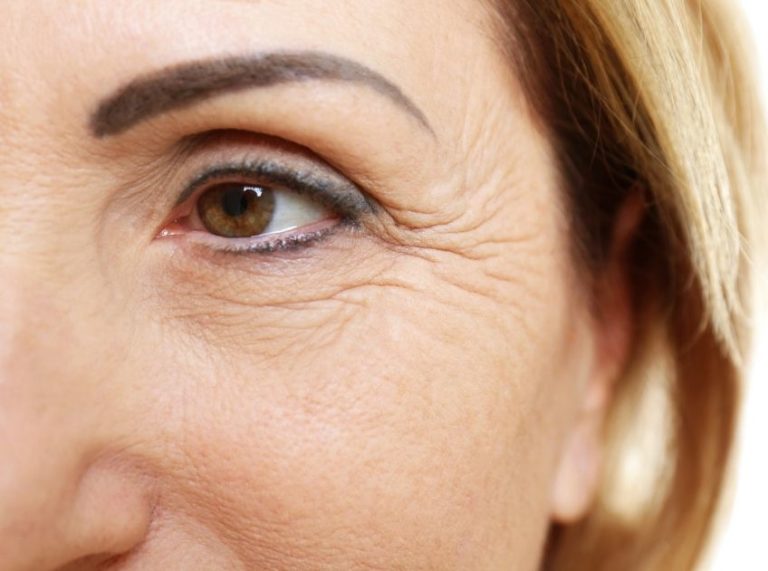
After your early 20s, collagen production naturally slows down. This leads to wrinkles, sagging, and dull-looking skin over time.
The good news? You can boost collagen production naturally and scientifically. From diet to skincare and treatments, simple changes can make a visible difference.
9 Proven Ways to Boost Collagen Production in Your Skin
1. Eat Collagen-Boosting Foods
Your body needs the right nutrients to produce collagen effectively. Without them, production slows down significantly.
Focus on foods rich in amino acids and vitamin C. These act as building blocks and catalysts for collagen synthesis.
Best Collagen-Friendly Foods:
- Citrus fruits (oranges, lemons)
- Strawberries and berries
- Spinach and kale
- Bone broth
- Eggs and nuts
- Fatty fish like salmon
A balanced diet supports long-term skin strength and elasticity.
2. Take Collagen Supplements
Collagen supplements provide hydrolyzed peptides that are easy for the body to absorb. These directly stimulate collagen-producing cells.
Most studies show visible improvements within 8–12 weeks of consistent use.
How to Use Effectively:
- Daily dosage: 2.5–15 grams
- Choose Type I & III collagen
- Combine with vitamin C
They’re not instant solutions but work well over time.
3. Apply Vitamin C Topically
Vitamin C is essential for collagen formation and protection. It neutralizes free radicals that damage skin proteins.
Using a serum daily helps improve firmness and brightness.
Tips for Best Results:
- Use 10–20% L-ascorbic acid
- Apply in the morning
- Always follow with sunscreen
Consistency is key to seeing visible results.
4. Incorporate Retinoids
Retinoids are among the most powerful ingredients for boosting collagen. They increase skin cell turnover and improve texture.
They also reduce enzymes that break down collagen.
How to Start Safely:
- Begin with low-strength retinol
- Use 2–3 times weekly
- Apply only at night
Gradually increase usage to avoid irritation.
5. Use Hyaluronic Acid
Hyaluronic acid deeply hydrates the skin. Hydrated skin appears plumper and more youthful.
It also supports collagen by improving skin repair processes.
Benefits Include:
- Instant hydration
- Reduced fine lines
- Improved elasticity
Use it daily for long-term results.
6. Harness Aloe Vera Gel
Aloe vera contains compounds that stimulate collagen production. It also soothes and repairs damaged skin.
Daily application helps improve skin texture and calm inflammation.
Why it Works:
- Boosts fibroblast activity
- Increases hyaluronic acid levels
- Supports healing
It’s ideal for sensitive skin types.
7. Protect with Antioxidants
Antioxidants protect collagen from environmental damage. Pollution and UV rays can break down skin structure quickly.
Adding antioxidants strengthens your skin’s defense system.
Top Antioxidant Sources:
- Green tea
- Grapes (resveratrol)
- Berries
- Dark chocolate
- Garlic
Don’t forget sunscreen—it’s your strongest anti-aging tool.
8. Try Light Therapy
Red light therapy stimulates collagen production at a cellular level. It boosts energy in skin cells, improving repair.
Regular sessions improve skin firmness and reduce wrinkles.
How to Use:
- 10–20 minutes per session
- 3–5 times weekly
- Use certified devices
It’s safe, painless, and effective over time.
9. Explore Microneedling
Microneedling creates tiny injuries in the skin. This triggers the body’s healing response and boosts collagen production.
It’s highly effective for scars, wrinkles, and sagging skin.
Options:
- Professional treatments (best results)
- At-home dermarollers (maintenance)
Results improve gradually with repeated sessions.
Lifestyle Foundations for Collagen Health
- Sleep and Recovery: Your body repairs collagen during deep sleep. Aim for 7–9 hours every night.
- Manage Stress: High stress increases cortisol, which breaks down collagen. Relaxation techniques help maintain skin health.
- Exercise Regularly: Exercise improves blood flow and nutrient delivery to the skin. This supports collagen production naturally.
- Avoid Harmful Habits: Smoking damages collagen fibers
- Excess sugar causes stiffness (AGEs): Healthy habits amplify all other efforts.
Expert Insight
“Collagen is the scaffolding of youthful skin. Protecting and stimulating it early is the key to long-term skin health.” — Dr. Whitney Bowe, Dermatologist
Collagen Boosting Methods Overview
| Method | Type | Results Timeframe |
| Diet | Internal | 2–3 months |
| Supplements | Internal | 8–12 weeks |
| Vitamin C Serum | Topical | 6–12 weeks |
| Retinoids | Topical | 3–6 months |
| Light Therapy | Treatment | 4–8 weeks |
| Microneedling | Treatment | 3–6 sessions |
Boosting collagen is a gradual process that combines nutrition, skincare, and lifestyle habits. Consistency matters more than quick fixes. With the right approach, you can maintain firm, glowing, and youthful skin for years.
Frequently Asked Questions (FAQ’S)
1. At what age should I start boosting collagen?
A. You can start in your early 20s. Prevention is more effective than correction later.
2. Do collagen supplements really work?
A. Yes, studies show they improve skin elasticity and hydration when taken consistently.
3. How long does it take to see results?
A. Most methods show visible results within 6–12 weeks, depending on consistency.
4. Is natural collagen better than treatments?
A. Both work best together. Diet supports from within, while treatments speed up results.
5. Can I reverse collagen loss completely?
A. You can’t fully reverse it, but you can significantly improve skin firmness and slow aging.