Important: This article is for informational purposes only. Please read our full disclaimer for more details.
Think of Hyaluronic Acid (HA) as your body’s natural sponge. This remarkable sugar molecule, found naturally in our skin, joints, and eyes, can hold up to 1,000 times its weight in water.
As we age, our natural HA levels begin to dip. Whether you’re looking to erase fine lines or soothe aching joints, here is how supplemental HA—via serums, pills, or injections—can transform your health.
Benefits of Hyaluronic Acid for Face and Body
Revitalizing Your Skin & Face
Hyaluronic acid is most famous for its “fountain of youth” reputation in skincare. Here’s why it’s a vanity-cabinet staple:
- Deep Hydration: Topical HA can boost skin moisture by up to 96% in just eight weeks. It pulls water into the skin surface for an instant “plump.”
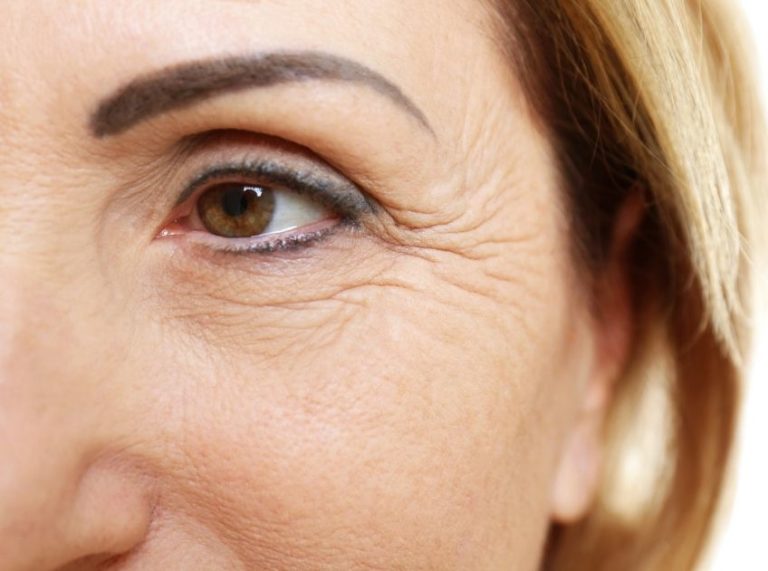
- Visible Anti-Aging: Regular use can decrease wrinkle depth by 40% and increase skin firmness by 55%.
- Texture Smoothing: It reduces skin roughness and improves elasticity, making the skin feel more “bouncy.”
- Dermatitis Relief: For those with eczema, HA foams have been shown to be more effective and pleasant to use than traditional ceramide creams.
Accelerating Healing & Recovery
Beyond beauty, HA is a powerful biological signal for repair.
- Wound Healing: It regulates inflammation and tells the body to build new tissue. Applying it to scrapes or cuts can speed up the recovery process.
- Gum Health & Dental Care: Often used after dental surgery, HA helps heal mouth ulcers and combats the inflammation associated with gum disease.
Internal Lubrication: Joints & Organs
Your body uses HA as a high-grade lubricant to keep moving parts sliding smoothly.
- Easing Joint Pain: Injections or supplements help lubricate the “shock absorbers” in your joints, especially for those suffering from osteoarthritis.
- Acid Reflux Relief: When taken as a supplement, HA can help soothe the lining of the esophagus, reducing the painful symptoms of GERD.
- Bladder Support: Introducing HA directly into the bladder (via a medical professional) can help alleviate the chronic pain of Interstitial Cystitis.
Specialized Moisture Support
Because HA is highly concentrated in the eyes and reproductive tissues, it is a go-to treatment for localized dryness.
- Soothes Chronic Dry Eyes: Eye drops containing HA mimic natural tears, providing long-lasting relief.
- Treats Vaginal Dryness: Research shows that HA creams can be more effective than estrogen creams for post-menopausal dryness, offering a hormone-free alternative.
How to Use It: Forms & Frequency
| Form | Best For… | Frequency |
| Topical (Serums/Creams) | Face, hydration, and glow. | Twice daily (AM/PM). |
| Oral (Capsules) | Joint pain, dry eyes, and deep skin hydration. | Daily (consult a doctor first). |
| Injections (Fillers/Medical) | Lip plumping or severe joint inflammation. | Every 6–12 months. |
Safety & Side Effects
Since your body already makes Hyaluronic Acid, it is incredibly well-tolerated.
- Topical/Oral: Side effects are extremely rare.
- Injections: You may experience temporary redness, bruising, or swelling, but this is usually due to the needle itself rather than the HA.
- Pregnancy Note: If you are pregnant or breastfeeding, consult your doctor before starting supplements or injections, as long-term data for these groups is still being gathered.
Hyaluronic acid isn’t just a trendy buzzword; it’s a versatile powerhouse for hydration and healing. From your joints to your jawline, it’s one of the few ingredients that truly lives up to the hype.
Frequently Asked Questions (FAQ’S)
1. Does removing peach fuzz make it grow back thicker or darker?
A. No. This is a common myth. Because peach fuzz is vellus hair, its texture and color are determined by your genetics and hormones, not by how you remove it. When the hair first grows back, the tip may feel “blunt” or slightly prickly, but it will eventually soften into the same fine hair you had before.
2. How often should I use Hyaluronic Acid in my routine?
A. For most skin types, you can use topical Hyaluronic Acid twice daily—once in the morning and once at night. Because HA acts as a moisture magnet, it is most effective when applied to slightly damp skin and then “sealed in” with a moisturizer to prevent the hydration from evaporating.
3. Can I use Hyaluronic Acid immediately after removing facial hair?
A. Yes! In fact, it is highly recommended. Methods like dermaplaning or shaving act as physical exfoliants, leaving the skin “naked” and thirsty for moisture. A simple, fragrance-free Hyaluronic Acid serum is an excellent way to hydrate and soothe the skin without the stinging or irritation that active ingredients (like Retinol) might cause.
4. Why isn’t Laser Hair Removal effective for peach fuzz?
A. Laser hair removal works by targeting the melanin (pigment) in the hair follicle. Because peach fuzz is typically very fine and lacks deep pigment, the laser cannot “see” it well enough to destroy the follicle. For permanent removal of light vellus hair, Electrolysis is the more effective medical alternative.
5. Are there any side effects to using Hyaluronic Acid?
A. Since Hyaluronic Acid is a substance your body produces naturally, it is incredibly safe for almost everyone. Topical side effects are rare, though some people may experience sensitivity if the product contains added fragrances or alcohols. If you are opting for HA injections (like fillers), you may experience temporary bruising or swelling at the injection site, but this is usually a reaction to the needle rather than the acid itself.