Important: This article is for informational purposes only. Please read our full disclaimer for more details.
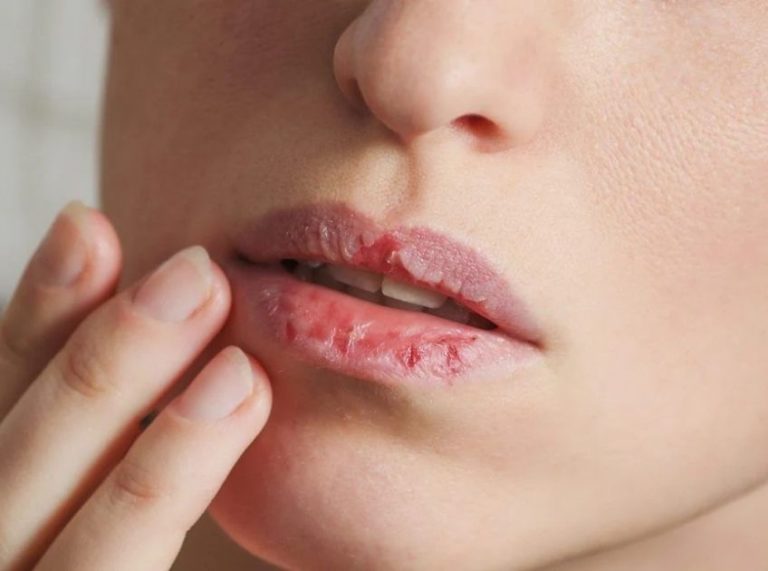
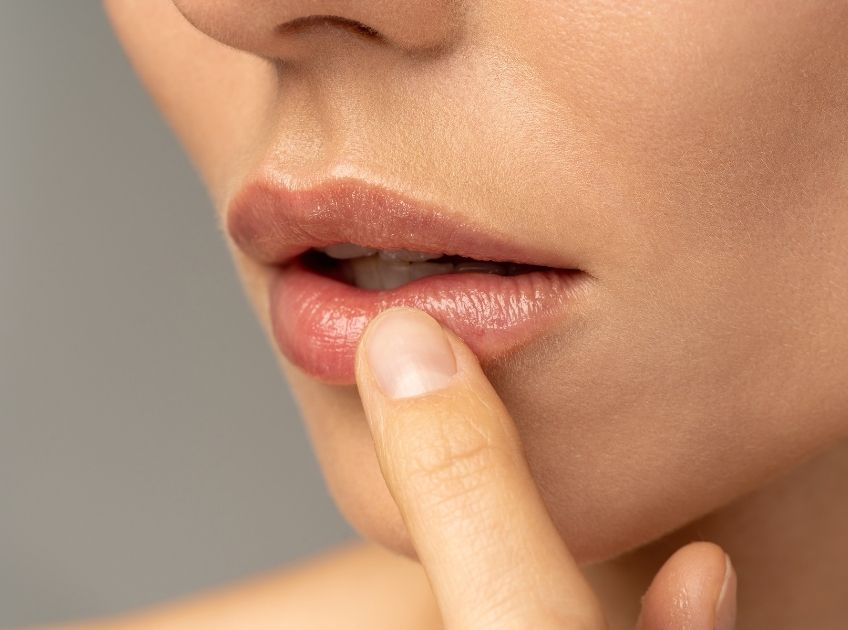
Have you ever had lips that feel so dry they start to crack and hurt? That’s called chapped lips, and it happens to everyone! Just like you need water and food to be healthy, your lips need special care to stay smooth and soft.
Doctors who specialize in skin (called dermatologists) love using special plant oils to help heal chapped lips. We’ll explore which oils are the best and how to use them safely to get “glass-skin soft” lips!
Article Contains
Why Your Lips Need More Than Just “Any” Balm
Your lips are special! They have much thinner skin and fewer oil glands than the rest of your face. This is why cold weather, dry air, or even licking your lips too much can make them dry out and crack quickly.
Dermatologists say the best thing for chapped lips is to use ingredients that trap moisture and soothe irritation. Products that act as occlusives (sealing in water) and emollients (softening the skin) are key for improving the skin’s natural barrier function (Source 1). Many plant oils can do this job perfectly! But we need to make sure we pick the right ones and avoid things like strong perfumes or fragrances, which can sometimes make sensitive lips even stingier.
What Makes an Oil Truly Hydrating for Lips?
Not all oils are the same!
- Some oils are like a seal—they sit on top of your lips to stop the water inside from escaping (occlusives).
- Other oils are like a softener—they soak in a little to make rough, flaky skin feel smooth (emollients).
- The best lip oils mix these two types together! Many plant oils are rich in fatty acids and antioxidants, like Vitamin E, which are known to aid in healing and provide protection from environmental damage (Source 2).
Safety First: “Essential” Oils vs. “Carrier” Oils
Some plant oils are very strong and must never be put on your lips alone!
- Carrier Oils (The Safe Base): These are gentle oils like jojoba, sweet almond, or coconut oil. They are the main moisturisers and are safe to use on your lips every day. They “carry” the strong oils.
- Essential Oils (The Strong Scents): These are very strong oils that give a lovely smell (like rose geranium or lavender). They are too powerful and can cause rashes or irritation unless you mix just 1 or 2 tiny drops into a whole teaspoon of a carrier oil. Always mix them!
8 Most Hydrating Oils for Chapped Lips, According to Derms
Here are 8 great oils that skin doctors often recommend for keeping lips healthy:
1. Sweet Almond Oil: Your Gentle, Everyday Smoother
This oil is a fantastic everyday helper! It’s full of vitamin E and fatty acids, which are great for locking in moisture and smoothing out flaky skin. Dermatologists often include ingredients like Vitamin E in lip care because of its ability to promote smooth, hydrated lips (Source 3).
Best For: Daily use on slightly dry or sensitive lips.
How to Use: Put 1 or 2 drops right onto your clean lips and gently rub it in, especially before bed.
2. Jojoba Oil: Just Like Your Skin’s Own Oil
Jojoba (say “ho-ho-ba”) oil is very special because it is almost exactly like the natural oil your skin makes. It is technically a liquid wax ester, which allows it to mimic human sebum (your skin’s natural oil) for better absorption (Source 4). This means it hydrates well without feeling heavy or sticky.
Best For: All-day moisture when you don’t want a greasy feel.
How to Use: Use 1 or 2 drops anytime your lips feel dry. It’s great to put over a hydrating lip serum.
3. Camellia Oil: For a Smooth, “Plump” Look
Camellia oil is a beauty secret! It’s rich in vitamins and special fats that soften rough lips. Using it regularly can help your lips look smoother and a bit more full. As a vegetable oil, it is mainly composed of triglycerides and essential fatty acids that support a good skin barrier (Source 1).
Best For: Very dry or line-prone lips that need extra rich goodness.
How to Use: Use it as a deep treatment, maybe at night, gently massaging a drop or two into your lips.
4. Lavender Oil: Soothing Aromatic Support (Used Sparingly!)
This is an essential oil, so remember to always mix it! In very tiny amounts, it can help soothe irritated lips and adds a relaxing aroma.
How to Use Safely: Mix 1 tiny drop into a whole teaspoon of a carrier oil (like almond or jojoba). Apply a thin layer 1-2 times a day.
Stop If: If it makes your lips sting, feel red, or get even drier, stop right away and use a simple balm instead.
5. Carrot Seed Oil: An Antioxidant Shield (Use Diluted!)
This is another essential oil. It is packed with vitamins and antioxidants that help defend your lips from things like pollution and weather stress.
Important Sun Tip: This oil is NOT sunscreen! It helps, but you must still use an SPF lip balm during the day when you are outdoors.
How to Use Safely: Mix about 1 drop into a whole teaspoon of a carrier oil and try it once at night first to make sure your lips are happy with it.
6. Coconut Oil: Rich Hydration with a Catch
Coconut oil makes a thick, creamy layer on your lips that instantly feels soft. It’s a great rescue for very tight, flaky lips in cold weather.
The Catch: For some people who get pimples easily, smearing this oil outside the lip line can clog the pores around their mouth. Because of its thick nature and fatty acid structure, coconut oil is considered highly comedogenic (pore-clogging) for acne-prone skin (Source 5). Try to keep it just on your lips!
How to Use: Warm a tiny bit (the size of a rice grain) between your fingers and press it onto your lips.
7. Rose Geranium Oil: Calming Comfort (Use Diluted!)
This is an essential oil, so remember to always mix it! In very tiny amounts, it can help soothe irritated lips and has a mild, gentle floral smell.
How to Use Safely: Mix 1 tiny drop into a whole teaspoon of a carrier oil (like almond or jojoba). Apply a thin layer 1-2 times a day.
Stop If: If it makes your lips sting, feel red, or get even drier, stop right away and use a simple balm instead.
8. Sweet Cherry Seed Oil: Antioxidant Treat for Soft, Supple Lips
This oil is rich in vitamins A & E and oleic fatty acids, which soften and protect the fragile skin on your lips. It gives lips a silky, pampered feeling. Plant extracts like this offer a safe solution by being rich in vitamins and antioxidants (Source 2).
Best For: Mildly dry, rough, or weather-exposed lips needing extra pampering.
How to Use: You often find this oil mixed into fancy lip balms or butters. Just 1–2 drops of the pure oil is enough.
How to Layer Oils in Your Lip-Care Routine
Think of your lip care in these easy steps:
- Hydrate: If you have a water-based lip serum, put that on first.
- Seal with Oil: Add a thin layer of a carrier oil (like almond or jojoba) or a rich, oil-based balm to lock in the moisture.
- Daytime SPF: In the morning, you must finish with a proper SPF lip balm if you are going outside!
Easy Pairings:
- Night Repair: Hydrating lip mask + Camellia or Jojoba oil on top.
- Day Comfort: Light layer of Sweet Almond oil + SPF lip balm on top.
When to See a Dermatologist About Chapped Lips
Sometimes, chapping is more than just dryness. If your lips are:
- Sticking Around: Still cracked, painful, or bleeding even after you use balms and oils for a long time.
- Looking Weird: You see persistent redness, crusting, dark patches, or little blisters around the mouth.
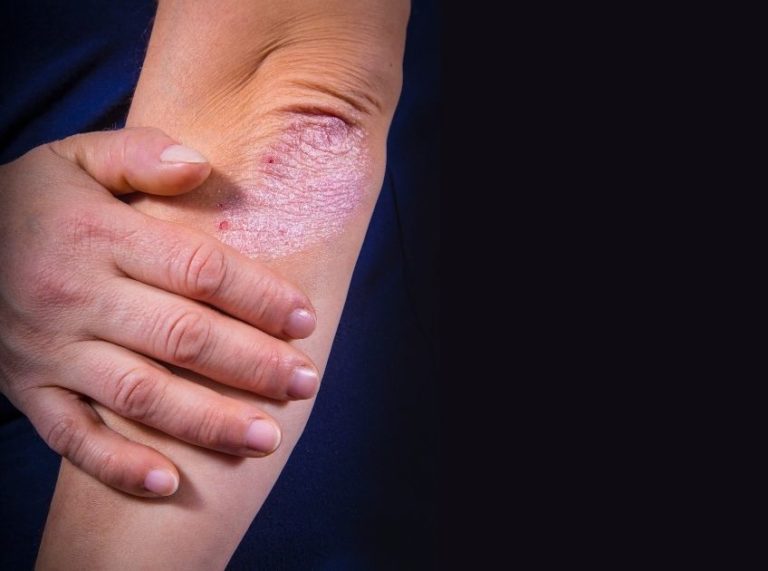
These signs can indicate a more serious condition, like cheilitis or an allergy, that needs medical treatment—not just oils (Source 1). If you see these signs, it’s time for an adult to take you to a dermatologist! They can figure out the problem and suggest special treatments so your lips heal faster and stay comfortable.
Frequently Asked Questions (FAQ’S)
1. Can I use cooking oils, like olive oil, on my lips instead of buying a special lip oil?
A. While basic oils like olive oil or avocado oil are safe for skin and lips, they are not always the best choice for lip oil products. They are very thick and don’t soak into the lips as quickly as lighter carrier oils like jojoba or sweet almond oil. Also, pure food-grade oils can sometimes have a strong, lingering scent or taste that you might not enjoy on your lips all day. Dermatologists suggest sticking to cosmetic-grade oils, which are refined to be lighter, tasteless, and free of potential irritants, making them much more comfortable for daily lip use.
2. If I use a lip oil with SPF, do I still need a separate lip balm with sunscreen?
A. Yes, absolutely! The essential oils mentioned, like Carrot Seed Oil, are rich in antioxidants that offer gentle support against environmental stress, but they are not strong enough to protect your lips from sun damage. Sun damage is a major cause of dry, aging lips. To get proper protection, you must always finish your daytime routine with a lip balm or stick that clearly lists an SPF of 30 or higher. The oil goes on first to moisturize, and the SPF balm goes on last to shield your lips.
3. What is the difference between lip oil and traditional petroleum jelly or wax-based lip balm?
A. The main difference is how they work. Traditional balms made from waxes (like beeswax) or petroleum jelly are occlusives—they create a thick seal on top of the skin to prevent moisture loss. Lip oils, especially those made with lighter carrier oils like Jojoba or Camellia, are mainly emollients—they work to soften the skin itself and deliver vitamins and fatty acids into the top layer of the lips. The best routine often uses both: apply a lightweight oil first to hydrate and soften, then seal it in with a traditional, thicker balm for long-lasting protection.
4. How can I tell if a lip oil is causing an allergic reaction instead of just healing my chapped lips?
A. When lips are chapped, they can sting slightly when you apply anything. However, an allergic reaction (called contact dermatitis) will show up as persistent or worsening symptoms. If the oil is causing a problem, you might notice increased swelling, spreading redness beyond the lip line, tiny blisters, or constant, intense itching and burning that does not go away after a few hours. If this happens, stop using that product immediately and switch to a simple, fragrance-free lip protectant. If the symptoms last more than a day or two, you should see a dermatologist.
5. Is it okay to use lip oil overnight, and how does that help my lips?
A. Using a lip oil overnight is a great idea and is often the most effective time to use oil. At night, your skin goes into a repair mode, and your lips benefit from deep, undisturbed nourishment. Applying a rich oil like Camellia or a blend of Jojoba and Sweet Almond oil before bed provides a long period for the emollients and vitamins to soak in, soften the rough skin, and strengthen the delicate lip barrier. This helps reduce overnight moisture loss, meaning you wake up with lips that are much smoother and softer.