Important: This article is for informational purposes only. Please read our full disclaimer for more details.
Brittle nails after 50 are very common, but you don’t have to live with constant splitting and peeling. With a few simple changes, you can help your nails grow stronger, smoother, and less likely to break.
Why Nails Get Brittle After 50
As we get older, nails grow more slowly and produce less keratin, the protein that keeps them firm. Hormonal changes around menopause can also reduce natural oils and blood flow to the nail bed, so nails dry out and become weaker. Years of dishwashing, cleaning products, salon treatments, and removers add to this and gradually thin the nail.
Your nails aren’t “failing”; they’re just showing signs of less internal support and more external stress. Once you see it that way, the plan becomes simple: protect them from the outside, nourish them from the inside, and be gentler with your routine.
A Gentle Daily Nail Routine
Think of nail care like skincare—small steps you repeat every day work better than occasional big fixes.
1. Keep Nails Shorter:
- Short-to-medium nails are less likely to catch and tear. A soft square or rounded-square shape works well because there are no sharp corners that can snap. Aim for neat and practical rather than long and fragile.
2. File The Right Way:
- Instead of sawing back and forth, file in one direction with a fine-grit file. This reduces tiny splits along the edge that later turn into cracks. A quick tidy once or twice a week is enough.
3. Wear Gloves for Housework:
- Hot water, dish soap, and cleaners strip moisture from nails and skin. Get into the habit of wearing rubber or vinyl gloves when washing dishes, doing laundry, or cleaning. Over time, this alone can make your nails feel less dry and brittle.
4. Choose Gentler Nail Products:
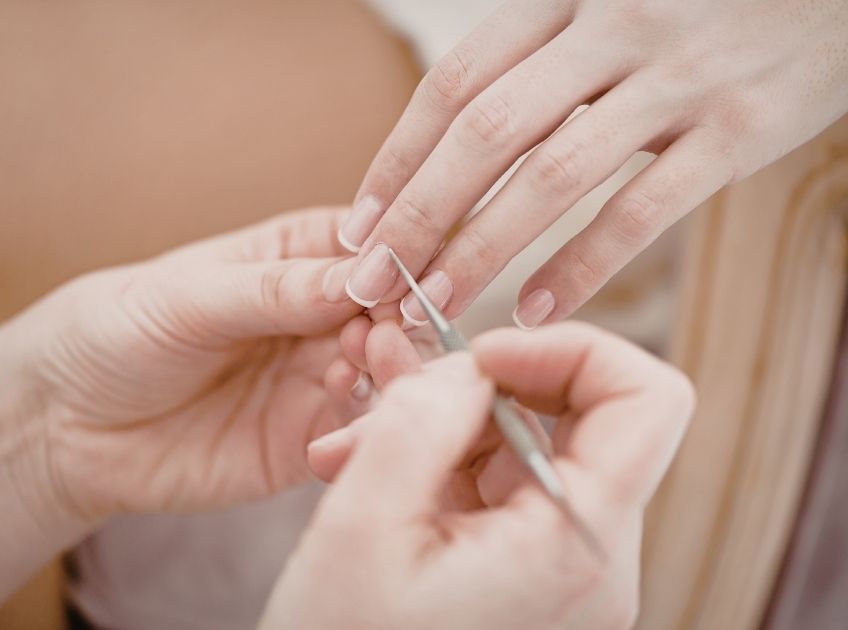
- If you use polish remover, pick an acetone‑free version and try not to use it more than once a week. Avoid digging under the nail with metal tools, which can separate the nail from the skin underneath. If you enjoy polish, give your nails regular breaks where they stay bare and well moisturized.
5. Moisturize After Every Hand Wash:
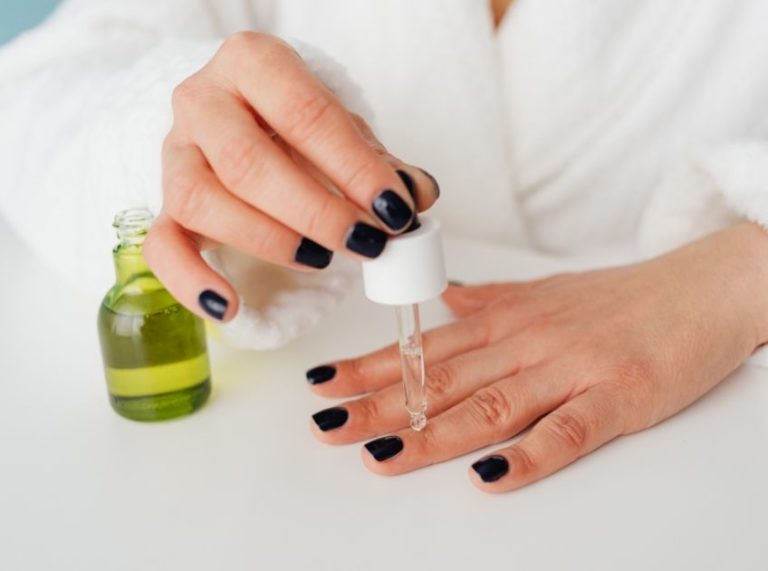
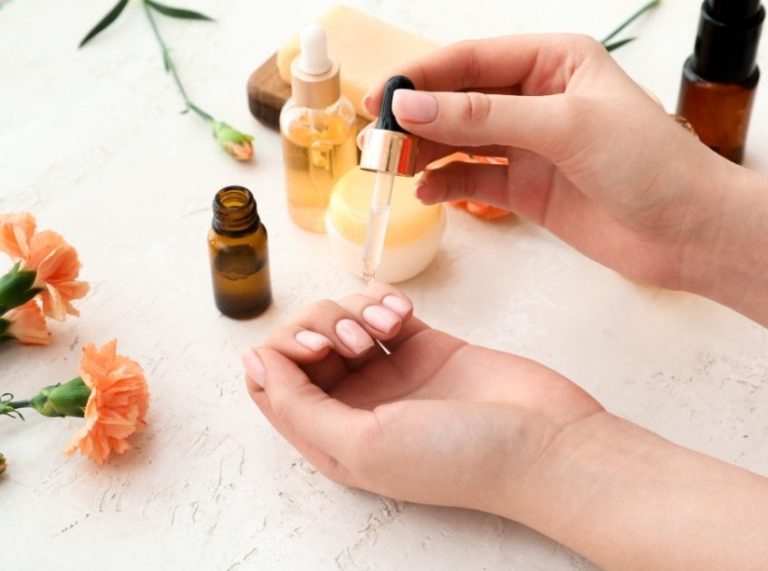
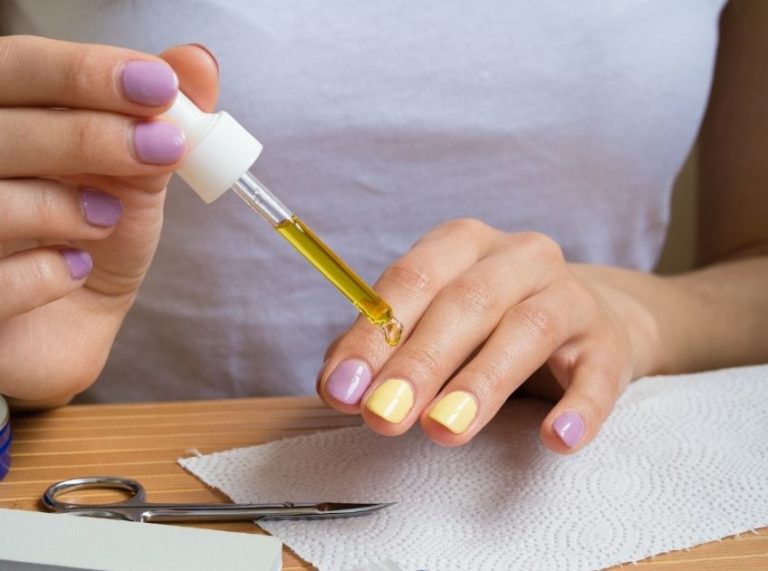
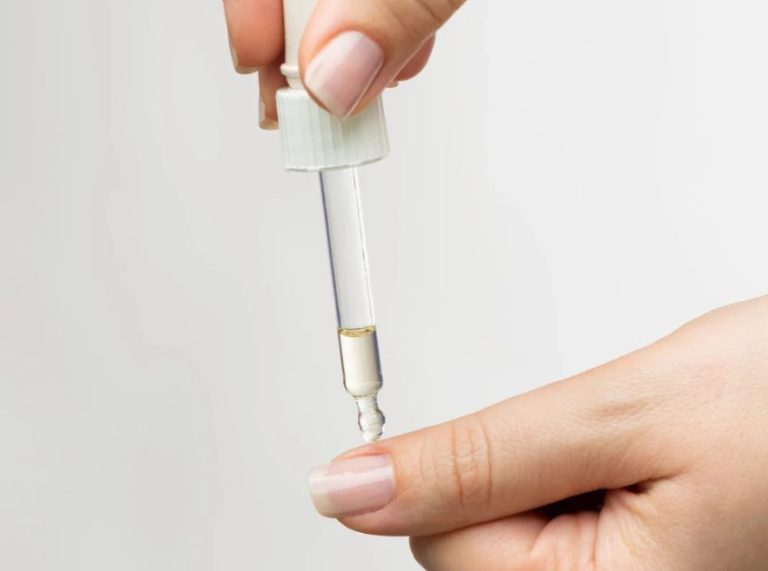
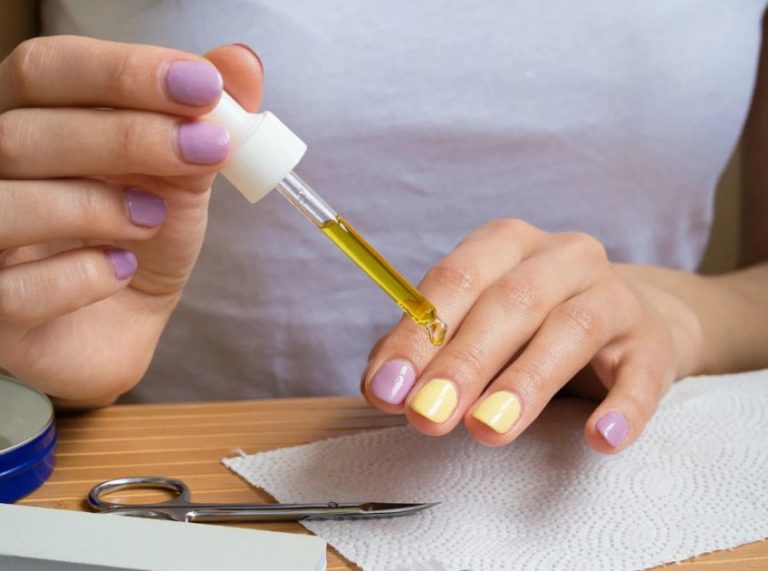
- Keep a hand cream near the sink and apply it after washing your hands, massaging a bit into your nails and cuticles. At night, you can add a drop of cuticle oil or a little almond/coconut oil and massage it in for a minute or two.
Simple At‑Home Remedies
You don’t need a huge product collection. A few basic habits can help a lot.
1. Oil Massages:
- Warm a few drops of coconut, almond, or olive oil between your fingers and massage it into each nail and cuticle for 5–10 minutes. Softer, more flexible nails are less likely to snap.
2. Olive oil with a Little Lemon:
- Mix a small amount of olive oil with a drop or two of lemon juice and rub it into your nails. The oil hydrates, and the lemon can gently brighten nails that look dull or yellowed. Use it in the evening and wash your hands as usual in the morning.
3. Nail Strengthener Used in Moderation:
- A good strengthener can add a light protective layer and smooth the nail surface. Look for formulas that focus on conditioning and flexibility, not ones that make nails rock-hard. Overly rigid nails can still break easily.
Food and Hydration for Better Nails
Nails grow slowly, so what you eat now shows up in your nails a few months later.
1. Get Enough Protein:
- Nails are made from protein, so include lentils, beans, eggs, dairy, fish, or lean meats in your meals. Try to have a clear source of protein each time you eat.
2. Add Nail‑Friendly Nutrients:
- B vitamins, zinc, iron, healthy fats, and a mix of colorful fruits and vegetables all support nail health. If you think you might be low in something or want to start a supplement, check with your doctor first, especially after 50.
3. Drink More Water:
- Dehydration shows up as dry skin and dry nails. Sip water through the day and include water‑rich foods like cucumber, citrus fruits, and leafy greens.
You can think of this as “slow gardening” for your nails—you’re feeding the new nail that hasn’t grown out yet.
Habits That Make Brittle Nails Worse
Sometimes your nails will improve simply by stopping a few damaging habits.
- Using Nails as Tools: Avoid using your nails to scrape labels, open cans, or pick at things. Use proper tools so your nails aren’t constantly under pressure.
- Back‑to‑Back Gels or Acrylics: Occasional salon nails are fine, but constant gels, acrylics, or dip powder without breaks can thin and weaken natural nails. Rotate in bare‑nail periods or simple polish to let them recover.
- Nail Biting and Picking: Biting nails or picking at cuticles damages both the nail plate and the skin that protects new nail growth. Keeping nails neatly shaped and polished, even with a clear coat, can make you less likely to bite.
- Ignoring Sudden Changes: If your nails suddenly become very brittle, change color, develop unusual ridges, or feel painful, it’s worth talking to a doctor. Sometimes nails reflect issues like thyroid problems, anemia, or other health concerns.
With consistent, gentle care and a few small lifestyle tweaks, you can absolutely get your nails looking healthier and stronger after 50. The key is patience—nails take time to grow—so focus on building a simple routine you can stick to, and let the results slowly follow.