Important: This article is for informational purposes only. Please read our full disclaimer for more details.
Water retention, swelling, and bloating aren’t just uncomfortable — they’re often early signs of inflammation, kidney stress, or an imbalance in sodium and fluid regulation.
Edema affects millions of adults, especially women, and can be triggered by hormonal changes, aging blood vessels, pregnancy, or certain medical conditions [1][2].
While prescription diuretics are effective, research shows that many foods naturally increase urine output, reduce puffiness, and support kidney function — with fewer side effects [3].
In this guide, you’ll discover 10 scientifically supported natural diuretic foods that help your body eliminate excess water safely and naturally.
How Diuretics Work?
Diuretics increase urine production and help your kidneys remove excess sodium, chloride, and water from the body [4]. By preventing fluid from being reabsorbed into the bloodstream, diuretics:
- Reduce swelling (edema)
- Decrease bloating
- Lower blood pressure
- Reduce fluid buildup around the heart, kidneys, and liver
- Help flush out bacteria in the urinary tract
Natural diuretics work in two main ways:
1. Diuretic Phytochemicals: Compounds like caffeine, flavonoids, asparagine, and phenolic acids stimulate the kidneys to release more urine [5][6].
2. High Water Content Foods: Water-rich foods increase hydration → which signals the kidneys to let go of excess stored fluid [7].
The Benefits of Natural Diuretics
- Reduces fluid retention (edema)
- Helps with high blood pressure [8]
- Supports kidney detoxification
- Reduces UTIs by flushing bacteria [9]
- Helps manage PMS-related swelling
- May prevent kidney stones [10]
- Supports weight loss by reducing puffiness
The Hidden Dangers of Diuretics
Prescription diuretics can cause:
- Hypokalemia (low potassium) — major side effect [11]
- Low sodium levels
- Dizziness
- Increased urination
- Possible spike in blood sugar (small, but exists) [12]
Natural diuretics, on the other hand, contain minerals that help balance electrolytes naturally.
10 Foods That Are Natural Diuretics (Science-Backed)
1. Watermelon — 92% Water + Powerful Kidney Cleanser
Watermelon contains lycopene, beta-carotene, and citrulline, which relax blood vessels and help excess fluid drain from body tissues [13].
Why it works:
- Extremely hydrating
- Rich in antioxidants that prevent vessel leakage
- Acts as a gentle and natural diuretic
2. Tomatoes — Antioxidants That Reduce Vessel Leakage
Tomatoes are 90% water and contain lycopene, vitamin C, and selenium, all of which protect blood vessel walls from oxidative damage [14].
When vessels weaken, fluid leaks → causing swelling.
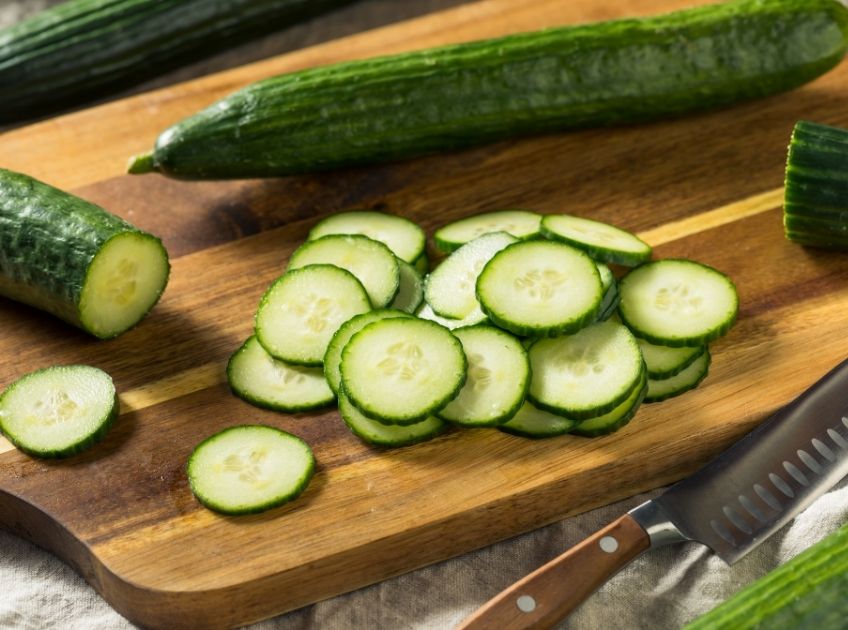
3. Cucumber — Potassium-Sparing Natural Diuretic
Cucumbers contain silicon, sulfur, caffeic acid, and potassium, which help your kidneys flush out uric acid — a major contributor to edema and gout [15].
Why it Works:
- Helps reduce swelling
- Helps reduce puffy eyes
- Supports kidney detoxification
4. Cranberry Juice — Diuretic + UTI Defense
Cranberries contain anthocyanins, catechins, and quinic acid, which promote urine flow and prevent bacterial growth in the urinary tract [16].
A 2023 clinical study showed cranberry juice reduces UTI occurrence by 54% [17].
Unlike many diuretics, it does not deplete potassium.
5. Carrots — Alkaline Vegetable That Promotes Detoxification
Carrots are rich in xanthophylls, beta-carotene, lutein, and other detoxifying phytochemicals [18].
These compounds increase urine output and support liver function — another key player in fluid regulation.
6. Eggplant — Supports Circulation + Reduces Water Bloat
Eggplant contains flavonoids, fiber, and antioxidants, making it helpful for:
- Reducing bloating
- Supporting healthy circulation
- Lowering fluid buildup in tissues [19]
- Eggplant water is traditionally used to reduce swelling.
7. Artichoke — One of the Strongest Natural Diuretics
Artichokes contain caffeic acid, cynarin, and flavonoids that support liver and kidney function [20].
Cynarin stimulates bile flow → which naturally reduces fluid retention.
Tip: Raw artichoke retains the highest cynarin levels.
8. Celery — Excellent for Gout & Uric Acid Relief
Celery seeds increase urine production and help flush out excess uric acid — known to cause joint swelling and gout [21]. Contains coumarins which:
- Reduce blood pressure
- Improve vascular health
9. Grapes — Potassium-Rich, Low-Sodium Diuretic
Grapes contain anthocyanins, resveratrol, and flavonoids that help kidneys eliminate toxins and excess fluid [22].
Their high potassium level balances sodium → making them a natural, gentle diuretic.
10. Asparagus — Contains Asparagine (a Potent Diuretic Compound)
Asparagus contains asparagine, an amino acid with strong diuretic effects.
Also rich in glutathione, a powerful antioxidant that supports detoxification and reduces inflammation.
Helps with:
- PMS bloating
- Rheumatism
- Water retention
- Kidney support
Summary Table: Top Natural Diuretic Foods
| Food | Why It Works | Key Compounds |
| Watermelon | Hydration + vessel relaxation | Lycopene, Citrulline |
| Tomatoes | Protects vessel walls | Lycopene, Vit C |
| Cucumber | Potassium-sparing diuretic | Silicon, Sulfur |
| Cranberry | Flushes bacteria | Anthocyanins |
| Carrots | Alkaline + detox | Carotenes |
| Eggplant | Reduces bloating | Flavonoids |
| Artichoke | Strong diuretic | Cynarin |
| Celery | Uric acid flush | Coumarins |
| Grapes | High potassium | Resveratrol |
| Asparagus | Powerful diuretic amino acid | Asparagine |
Frequently Asked Questions (FAQ’S)
1. What are the key differences between prescription diuretics and the natural diuretic foods mentioned in the guide?
A. Prescription diuretics are effective but carry risks of significant side effects like hypokalemia (low potassium), low sodium, and dizziness. Natural diuretic foods, on the other hand, support the removal of excess fluid by using natural compounds (like asparagine or cynarin) or high water content. They often contain minerals like potassium that help balance electrolytes naturally, reducing the risk of side effects associated with prescribed medication.
2. How exactly do natural diuretics help reduce swelling and bloating (edema)?
A. Natural diuretics work in two main ways. First, they contain diuretic phytochemicals (like caffeine, flavonoids, or phenolic acids) that directly stimulate the kidneys to increase urine production and excrete more sodium and water. Second, their high water content increases overall hydration, signaling the kidneys to release excess stored fluid, preventing it from reabsorbing into the bloodstream and causing swelling.
3. Which natural diuretic foods are specifically recommended for balancing sodium and protecting against potassium depletion?
A. Foods like Grapes and Cranberry Juice are highlighted. Grapes are naturally potassium-rich, which is crucial for balancing sodium levels. Cranberry juice is noted for promoting urine flow without depleting potassium, unlike some prescription diuretics. Cucumber is also mentioned as a “potassium-sparing” natural diuretic.
4. Besides reducing water retention, what other health benefits do these natural diuretic foods provide?
A. These foods offer multiple benefits beyond reducing edema and bloating. They are known to support kidney detoxification, help manage high blood pressure, reduce UTIs by flushing out bacteria (e.g., Cranberry), relieve PMS-related swelling, and may even prevent kidney stones.
5. Are there any natural diuretic foods that are particularly effective for conditions like gout or excessive uric acid?
A. Yes, the guide specifically mentions Celery and Cucumber. Celery seeds increase urine production and contain coumarins, which help flush out excess uric acid—a major contributor to gout and joint swelling. Cucumbers also contain compounds that help the kidneys flush out uric acid.
Natural diuretics offer a safe, effective, and nutrient-rich way to:
- Reduce swelling
- Decrease bloating
- Support kidney and liver function
- Improve urinary health
- Balance sodium levels
By adding these foods to your daily diet, you support your body’s natural detox systems and reduce water retention — without harsh side effects.