Important: This article is for informational purposes only. Please read our full disclaimer for more details.
Papaya and turmeric masks are popular DIY remedies for unwanted facial hair, especially in South Asian beauty traditions, where they’re believed to gradually thin fine hairs and slow regrowth over time. They rely mainly on papaya’s proteolytic enzyme papain and turmeric’s anti‑inflammatory and hormone‑modulating compounds, but current scientific evidence is limited and much weaker than for standard medical hair‑removal treatments. [1]
This guide explains how the remedy is thought to work, what the research actually shows, safety precautions, and a step‑by‑step method you can use—plus where it fits compared with dermatologist‑approved options.
How Papaya and Turmeric Are Supposed to Work
Papaya (Papain) as an Enzyme “Softener”
Raw papaya contains papain, an enzyme that breaks down proteins. In theory, when applied to the skin, papain can:
- Soften and partially digest keratin in hair shafts, making fine hairs easier to loosen or shed.
- Irritate or weaken cells around the hair follicle if used frequently, potentially slowing regrowth over time. [2]
An experimental mouse study found that a cream containing papain, applied daily for 31 days, produced noticeable depilatory effects and structural changes in hair follicles (dilated follicle lumen, thickened epidermis), supporting the idea that papain can weaken hair in principle. However, this was in animals with a controlled cosmetic formulation, not a home papaya paste on human faces. [3]
Turmeric (Curcuma Longa) as a Hair‑Growth Modulator
Turmeric has long been used in Ayurvedic and traditional beauty rituals to brighten skin and, anecdotally, to reduce facial hair over time. Modern research suggests turmeric and related Curcuma species may:
- Interact with androgen pathways and local testosterone metabolism, hormones that influence hair growth.
- Exert anti‑inflammatory and antioxidant effects that can change the skin environment around follicles.
A recent narrative review of herbal remedies for hirsutism notes that curcumin‑containing preparations can modestly improve hirsutism scores, likely via anti‑androgenic or enzyme‑modulating effects, though human data are sparse and not specific to simple kitchen masks. [4]
Evidence Check: What Science Actually Says
Papain:
- Animal and lab studies show papain‑based creams can damage or disrupt hair follicles and act as mild depilatories. [5]
- These results involve specific formulations, concentrations, and sometimes device‑assisted delivery—not casual fruit pulp masks—so the real‑world effect on human facial hair is probably much weaker.
Turmeric/Curcuma:
- Patents and small studies on Curcuma extracts suggest potential to slow hair growth or affect testosterone metabolism locally, but most work uses standardized extracts or oils—not kitchen turmeric powder.
- The review of herbal hirsutism treatments concludes that evidence for turmeric is preliminary and much less robust than for pharmaceutical options like eflornithine, oral anti‑androgens, or laser hair removal. [6]
Mainstream Guidance:
- Dermatology and family‑medicine guidelines on unwanted facial hair focus on shaving, waxing, threading, depilatory creams, laser/electrolysis, and prescription therapies; they do not list papaya‑turmeric masks as evidence‑based treatments.
Bottom line: Papaya and turmeric masks may slightly help with very fine vellus facial hair over time for some users, but they should be seen as gentle supportive care—not a replacement for proven hair‑removal methods, especially in moderate‑to‑severe hirsutism.
Safety First: Who Should Be Careful
Before using papaya‑turmeric on your face, consider these cautions:
Allergy Risk:
- Papaya (especially unripe) can cause irritation or allergic reactions in people sensitive to latex or certain plant proteins.
- Turmeric can cause contact dermatitis or stubborn yellow staining in some skin types.
Sensitive and Acne‑Prone Skin:
- The mild enzymatic action of papaya plus mechanical rubbing can irritate rosacea, eczema, active acne, or compromised barriers.
- Turmeric powders are often not sterile and may aggravate inflamed acne if rubbed aggressively.
Hormonal Facial Hair:
- If you have rapid onset, male‑pattern facial hair (chin, jawline, upper lip, chest), irregular periods, or other signs of androgen excess, you should be evaluated for underlying causes like PCOS; home masks alone are not appropriate treatment.
Always patch‑test first on a small area of the jawline or neck for 24 hours before using on the full face.
How to Use a Papaya and Turmeric Remedy for Facial Hair Removal
1. Choose and Prepare Your Ingredients
- Papaya: Use unripe or semi‑ripe papaya, which has a higher papain content than fully ripe fruit. Peel a small piece and remove the seeds; use only the flesh.
- Turmeric: Use pure turmeric powder (no added dyes or fragrance) or freshly grated turmeric root. Be aware it can stain light skin and fabrics; use old towels and apply in the evening.
Optional Add‑Ins for Sensitive Skin: Plain yogurt or milk (for lactic acid and soothing). Aloe vera gel or honey for extra slip and hydration.
2. Make a Gentle Mask Paste
- A Basic Starting Formula: 2 tablespoons mashed papaya pulp (very smooth, no big chunks). ½ teaspoon turmeric powder (or equivalent grated fresh turmeric).
- Optional: 1 teaspoon plain yogurt, aloe gel, or honey to reduce irritation and improve texture.
- Mix until you get a smooth, spreadable paste that won’t drip. Adjust with a little more papaya or yogurt if too thick or too runny.
3. Patch‑Test Before Full Use
- Apply a small amount to a discreet area (e.g., side of neck or behind ear).
- Leave on for 15–20 minutes, then rinse and watch for 24 hours.
- Do not use on your entire face if you experience stinging, burning, intense redness, hives, or swelling.
4. Cleanse Your Face Properly
- Wash your face with a gentle, fragrance‑free cleanser and lukewarm water.
- Pat dry; don’t use scrubs or acids (AHA/BHA/retinoids) just before the mask to avoid over‑exfoliation.
5. Apply The Mask Correctly
- Using clean fingers or a brush, apply a thin, even layer in the direction of hair growth over areas with fine unwanted hair (upper lip, cheeks, chin).
- Avoid eyes, nostrils, lips, open cuts, and actively inflamed acne lesions.
- Leave on for 10–15 minutes at first; if there’s no irritation after a few uses, some people gradually extend up to 20 minutes, but longer is not necessarily better.
- You should feel mild tightness or warmth at most, not intense burning.
6. Remove with Gentle “Against The Hair” Motion
- When time is up: Dampen your fingertips with lukewarm water.
- Gently massage the mask off against the direction of hair growth in small circles. This provides a mild mechanical exfoliation, helping to pull out loosened fine hairs.
- Rinse thoroughly until no yellow residue remains; a second cleanse with a very mild face wash may help remove staining.
7. Soothe and Moisturize
- Pat the skin dry; don’t rub.
- Apply a simple, fragrance‑free moisturizer or aloe gel.
- Skip strong actives (retinoids, AHAs/BHAs, vitamin C) the same night to avoid cumulative irritation.
8. How Often to Use
- Start with 1–2 times per week.
- If your skin tolerates it well after a few weeks, some people increase to up to 3 times per week for short periods.
- Results, if any, are gradual; expect to wait at least 8–12 weeks of consistent use to see whether hairs look finer, lighter, or slower to grow.
- If you notice increased redness, peeling, breakouts, or dryness, cut back or stop.
Where This Remedy Fits Among Hair‑Removal Options
- Papaya‑turmeric masks are best viewed as supportive, low‑intensity grooming for:
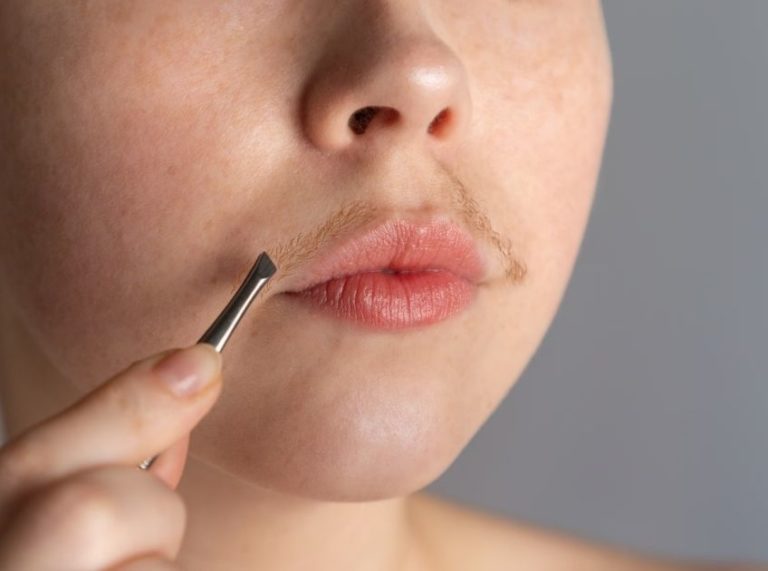
- Very fine “peach fuzz” / vellus facial hair.
- People who already use other hair‑removal methods but want a gentle between‑sessions brightening and softening treatment.
- Those who enjoy traditional beauty rituals and have time and patience for gradual, subtle changes.
They Are Not Appropriate as Sole Treatment For:
- Coarse, dark terminal hairs (chin, jawline, mustache) due to hormonal causes.
- Women with clinical hirsutism or PCOS who need medical evaluation and proven therapies.
Dermatology‑Endorsed Options with Stronger Evidence Include:
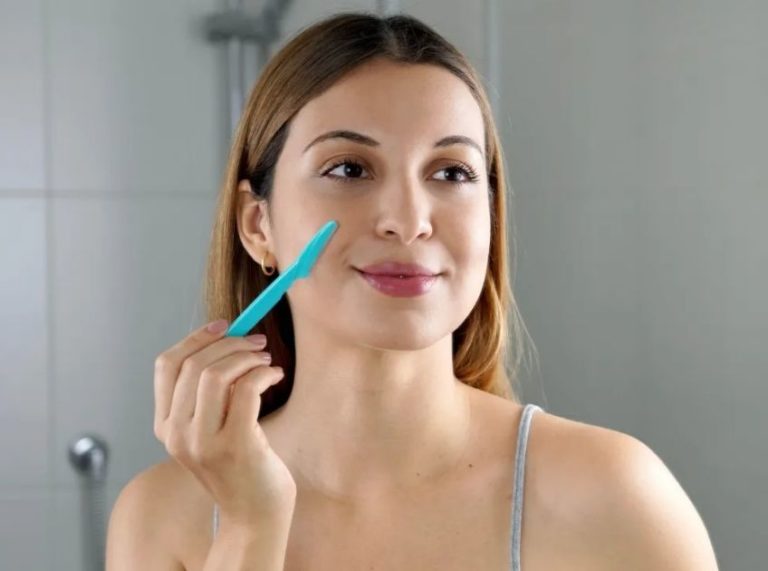
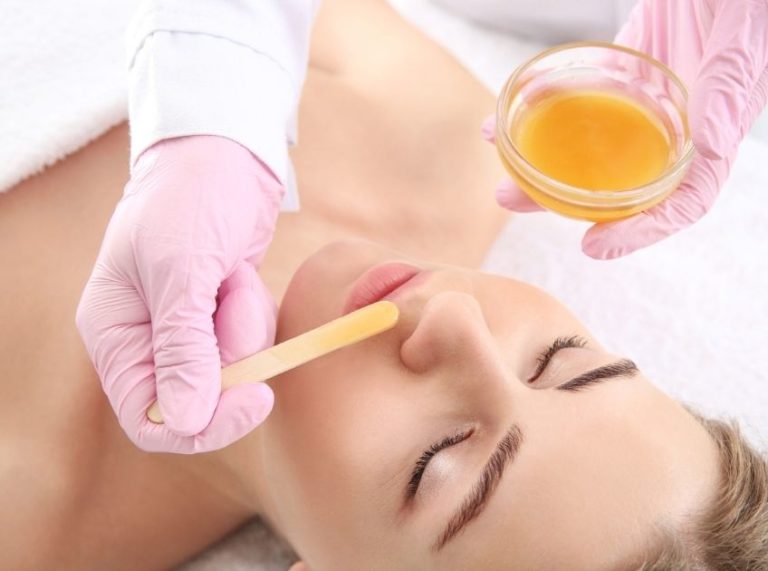
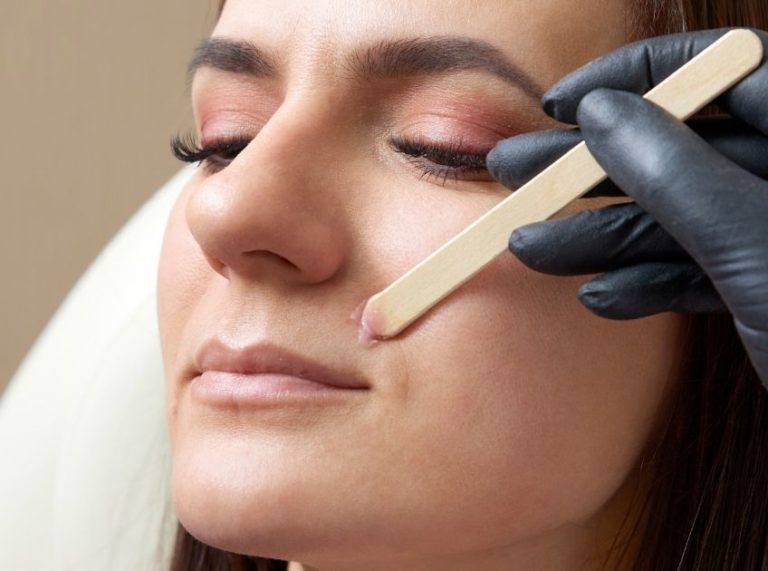
- Physical methods: shaving, threading, waxing, sugaring, depilatory creams.
- Long‑term methods: laser hair removal, electrolysis.
- Prescription treatments: topical eflornithine, oral anti‑androgens, hormonal regulation where indicated.
Frequently Asked Questions (FAQ’S)
1. Can this permanently remove facial hair?
A. No. There’s no solid clinical evidence that papaya‑turmeric masks permanently destroy hair follicles. At best, they might thin or slow regrowth of fine hairs with long‑term use; once you stop, hair is likely to return to its usual pattern.
2. Will it work on coarse, dark chin hair?
A. Probably not in a meaningful way. Coarse, androgen‑driven facial hair typically requires stronger measures (laser, electrolysis, prescription treatments) to see visible reduction. A mask might soften the hair or slightly help between sessions, but won’t replace medical or device‑based treatments.
3. How long before I see results?
A. If a person is going to see any benefit, it usually happens slowly over several weeks to a few months of consistent use. If you see absolutely no change in hair texture or regrowth by 3 months—and you’ve tolerated it well—continuing is unlikely to produce dramatic results.
4. Can I use it if I have acne or sensitive skin?
A. Use extreme caution. Enzymatic and physical exfoliation can inflame active acne and sensitive or rosacea‑prone skin. If you tend to react easily, it’s better to avoid this remedy on the face and discuss safer options with a dermatologist.
5. Is there a best time of day to apply it?
A. Evening is usually best, because: Any transient redness can calm down overnight. You’re away from sun exposure immediately afterwards. You can follow with a gentle, hydrating night routine. Always use broad‑spectrum sunscreen during the day when you’re using any exfoliating or active mask regularly.
Papaya and turmeric facial masks are a traditional, natural approach that may very mildly help reduce the visibility of fine facial hair over time by combining papain’s softening effect with turmeric’s anti‑inflammatory and hormone‑modulating properties, but robust human evidence is limited. For most people, these masks are best used as a gentle, occasional adjunct to conventional hair‑removal methods—not as a standalone solution, especially when facial hair is coarse, rapidly worsening, or linked to hormonal conditions that deserve professional evaluation.