Important: This article is for informational purposes only. Please read our full disclaimer for more details.
Natural plant oils can support smoother, more elastic, well‑hydrated skin, and a few of them actually have clinical data in humans or animals suggesting anti‑aging benefits. They won’t replace sunscreen or prescription treatments, but argan oil, rosehip oil, and almond oil each have scientific studies showing improvements in skin elasticity, wrinkles, or protection from photoaging.
Why Oils Can Help With Wrinkles?
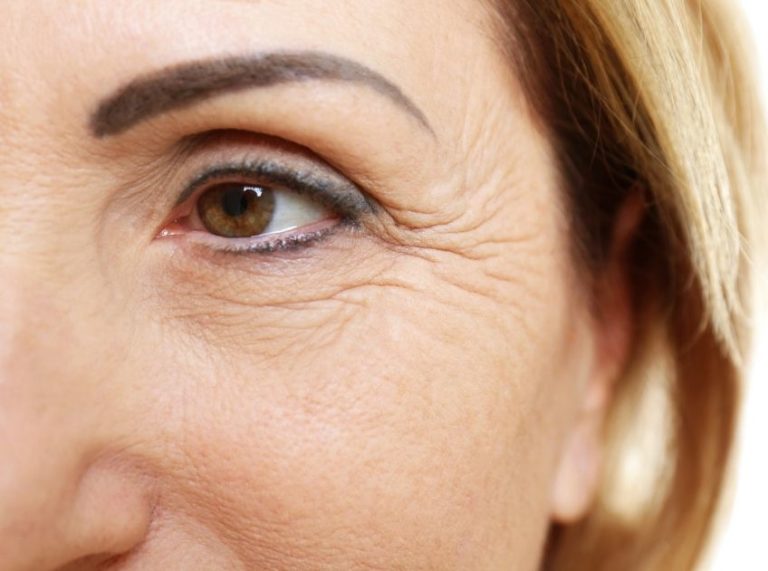
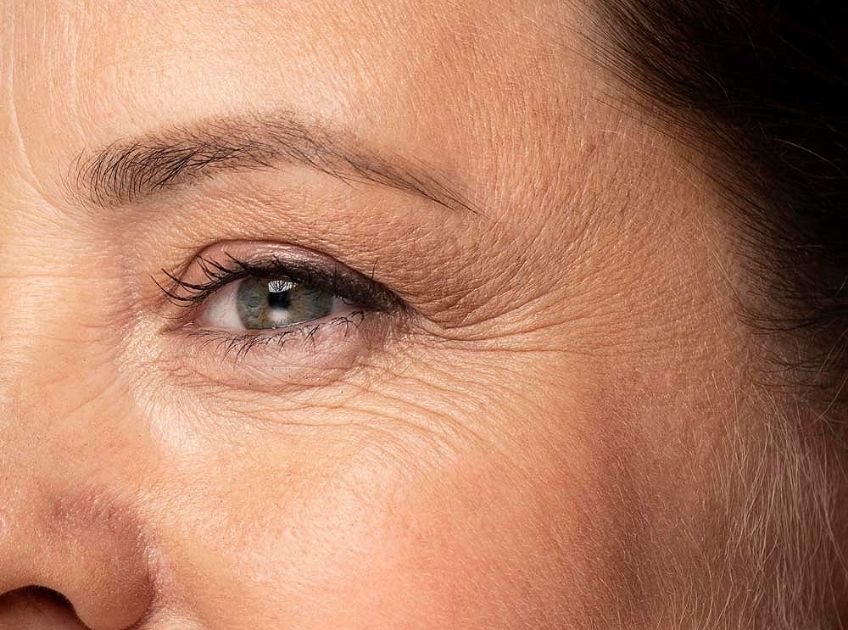
Wrinkles develop as collagen and elastin break down, skin gets drier, and ultraviolet (UV) light and oxidative stress damage the dermis over time. Natural oils rich in essential fatty acids and antioxidants can strengthen the skin barrier, reduce water loss, and help neutralize free radicals that contribute to photoaging.
Some oils also appear to influence collagen production and elasticity when used regularly, either topically or as part of the diet. The three oils below are highlighted because they have published research—not just anecdote—behind them.
1. Argan Oil: Boosting Skin Elasticity
What The Science Shows:
A randomized controlled study in postmenopausal women found that daily argan oil use improved skin elasticity over 60 days. In this trial, 60 participants consumed either argan oil or olive oil and also applied cosmetic argan oil to one forearm; both consumption and topical application significantly increased gross, net, and biological skin elasticity and decreased resonance running time (a measure related to skin firmness). [1]
The authors concluded that both oral and topical argan oil had an “anti‑aging effect on the skin” by improving elasticity parameters, and no side effects were noted during the study period.
Why it May Help Wrinkles:
Argan oil is rich in vitamin E (tocopherols) and linoleic acid, which:
- Provide antioxidant protection against oxidative stress that degrades collagen and elastin.
- Support the skin barrier and reduce transepidermal water loss, helping skin stay supple instead of crepey.
Improved elasticity doesn’t erase deep wrinkles, but it can make fine lines look softer and the skin surface less lax over time.
How to Use Argan oil for Anti‑Aging:
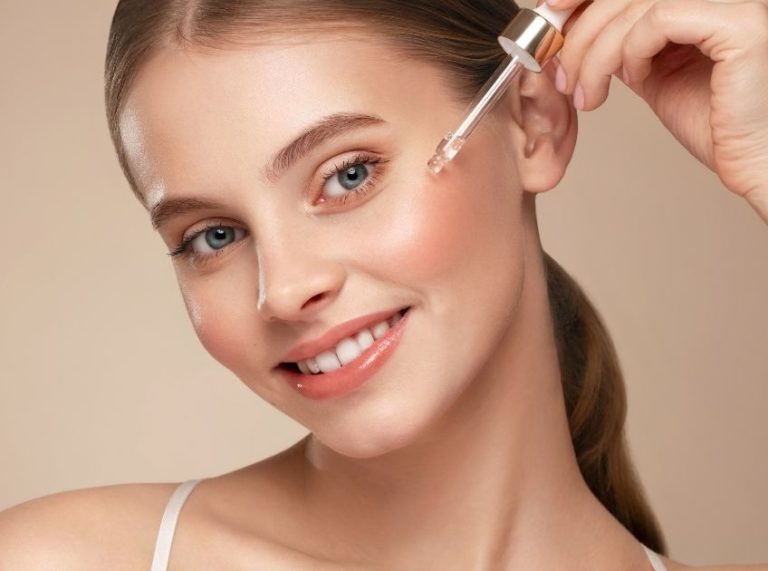
- As a last step at night: After cleansing and applying any water‑based serums, warm 2–3 drops of argan oil between your palms and press onto damp face and neck.
- Mixed with moisturizer: Add a drop to your night cream to boost richness if you have dry or mature skin.
- Around the eyes: Dab a tiny amount around the orbital bone, avoiding getting oil into the eyes; this can help with dryness‑related fine lines.
Always pair with daily broad‑spectrum sunscreen, since no oil can substitute for UV protection.
Safety Notes: Argan oil is generally well tolerated, but patch‑test first if you have sensitive or acne‑prone skin, and avoid heavily fragranced or adulterated blends that can irritate.
2. Rosehip Oil: Supporting Collagen and Smoothing Fine Lines
What The Science Shows:
A double‑blind, randomized controlled trial of 34 adults with facial wrinkles investigated oral supplementation with standardized rose hip powder for 8 weeks. Compared with baseline, the rose hip group showed statistically significant improvements in crow’s‑feet wrinkle depth, skin moisture, and skin elasticity after 8 weeks, with results comparable to those from astaxanthin, a known anti‑wrinkle supplement. [2]
A 2024 review on rosehip extracts notes that they exhibit multiple dermatologic benefits in vivo, including wound healing, collagen synthesis, anti‑aging effects, and improvements in various skin disorders, making them promising agents for skin care. [3]
While this human trial used an oral powder rather than the oil, rosehip seed oil is derived from the same plant and contains many of the same lipophilic bioactive compounds (essential fatty acids, carotenoids, vitamin E), which are relevant to barrier repair and photodamage.
Why it May Help Wrinkles:
Rosehip oil typically contains:
- Linoleic and linolenic acids that help restore the skin barrier and reduce dryness.
- Carotenoids and vitamin E, which provide antioxidant protection.
- Naturally occurring vitamin A derivatives (in small amounts) that may gently encourage cell turnover and support collagen. [4]
Together, these properties can help soften the appearance of fine lines and textural roughness, especially when combined with good sun protection.
How to Use Rosehip oil for Wrinkle Care:
- As a lightweight serum: Apply 2–3 drops to slightly damp skin after water‑based serums and before or instead of moisturizer, especially at night.
- In a blend: Combine 1–2 drops of rosehip oil with your moisturizer if pure oil feels too intense.
- On early fine lines: Focus on areas with early photoaging—crow’s‑feet, smile lines, mild sun spots—using consistent, gentle application.
Because rosehip oil can be mildly active, start 2–3 nights per week and increase as tolerated, watching for dryness or irritation.
Safety Notes: Patch‑test first if you have reactive skin or a history of plant‑oil allergies, and avoid use on open wounds or active eczema flares without medical advice.
3. Almond Oil: Photoprotection and Smoother Texture
What The Science Shows:
There are two relevant lines of evidence for almonds and photoaging:
i. Topical almond oil (animal study): In a controlled mouse model, pre‑treating skin with almond oil before UVB exposure reduced visible photoaging changes and structural damage compared with UV exposure alone, and biochemical tests showed less oxidative damage. Researchers concluded that almond oil could prevent structural damage and decelerate photoaging in this model. [5]
ii. Almond consumption (human RCT): A 24‑week randomized controlled trial in postmenopausal women found that daily almond consumption (as part of the diet) reduced facial wrinkle severity by about 15–16% and decreased facial pigment intensity by 20% compared with a calorie‑matched control snack. The authors attribute these effects partly to almonds’ high content of vitamin E and other antioxidants. [6]
While the human study tested almonds as a food rather than the oil, almond oil contains the same core lipids and vitamin E fraction that contribute to photoprotection and oxidative‑stress reduction in the skin.
Why it May Help Wrinkles:
Sweet Almond oil is Rich In:
- Oleic and linoleic acids, which replenish lipids and soften dry, rough skin.
- Vitamin E, a key antioxidant that helps counteract UV‑induced free radicals and may slow early wrinkle formation when combined with sun protection.pubmed.
Used topically, it’s primarily an emollient and photoprotective support oil, helping to keep skin smooth and resilient so fine lines are less pronounced.
How to Use Almond oil for Anti‑Aging:
- As a night facial oil for dry/mature skin: Massage a few drops into damp skin as the last step in your evening routine.
- Layered over actives: If you use retinoids or acids, a thin layer of almond oil after your treatment can reduce dryness and support barrier recovery (assuming your skin tolerates oils).
- On neck and décolleté: These areas often show photoaging early; almond oil can help maintain suppleness when used with daily SPF.
Safety Notes: Choose cosmetic‑grade sweet almond oil; avoid if you have a known nut allergy, and patch‑test first if your skin is reactive.
How to Build an Oil‑Based Anti‑Wrinkle Routine
You can incorporate one or more of these oils into a broader, evidence‑based skincare routine:
Daytime (Core Focus: Prevention)
- Gentle cleanser.
- Antioxidant serum (optional).
- Lightweight moisturizer.
- Broad‑spectrum sunscreen SPF 30+ every single day—this remains the most important anti‑wrinkle step.
- If desired, 1–2 drops of argan or almond oil pressed over dry areas for extra comfort (but not as a replacement for SPF).
Nighttime (Support and Repair)
- Cleanser.
- Targeted active (e.g., retinoid), if tolerated and recommended by your dermatologist.
- Rosehip or argan oil (2–3 drops) on slightly damp skin, possibly followed by a cream if you are very dry.
- Almond oil can be used on neck and chest or whenever you need extra emollience.
General Tips
- Introduce one oil at a time, 2–3 nights per week, so you can tell how your skin responds.
- Keep expectations realistic: think months, not days; studies showing elasticity and wrinkle improvement typically ran 8–24 weeks.
- Always prioritize lifestyle factors—sun protection, not smoking, good sleep, balanced diet—since they strongly influence how your skin ages.
Frequently Asked Questions (FAQ’S)
1. Can these oils replace retinoids or professional treatments?
A. No. Retinoids, lasers, and other dermatologic procedures have much stronger evidence for reversing wrinkles than oils alone. Oils are best seen as supportive care that improves hydration, texture, and mild signs of aging, especially when you can’t tolerate stronger actives.
2. Which oil is best for my skin type?
A. Dry or mature skin: Argan and almond oils tend to be well suited thanks to their emollient and barrier‑supporting profiles. Combination or slightly oily skin: Rosehip oil is usually lighter and may be a better fit if you want antioxidant support without too much heaviness. Sensitive skin: Patch‑testing is essential; some people tolerate argan well, others prefer minimizing all fragrances and potential botanicals.
3. How long until I see results?
A. In clinical studies, measurable improvements in elasticity or wrinkles appeared after 8–24 weeks of consistent use or consumption. At home, you might notice softer, more hydrated skin within days, but visible wrinkle changes typically take several months.
4. Can I combine these oils?
A. Yes, many people blend a few drops of different oils in their palm before application or rotate them (e.g., argan most nights, rosehip 2–3 nights per week). Just avoid over‑layering if you are acne‑prone and always introduce one new product at a time.
Argan oil, rosehip oil, and almond oil each have scientific data suggesting benefits for skin elasticity, wrinkle depth, or protection from photoaging, especially when used consistently over weeks to months and combined with good sun protection. They are not magic bullets, but as part of a broader healthy‑skin routine—anchored by sunscreen, smart lifestyle choices, and, when appropriate, dermatologist‑guided treatments—these three oils offer a natural, evidence‑supported way to help your skin look smoother, more supple, and radiant for longer.