Important: This article is for informational purposes only. Please read our full disclaimer for more details.
Let’s talk about that soft, silvery “peach fuzz” we all have. Whether you call it a natural glow-filter or a nuisance for your foundation, understanding vellus hair is the first step to a smoother routine.
Here is the ultimate guide to managing facial fuzz, from the science behind it to the best way to whisk it away.
What Exactly is Peach Fuzz?
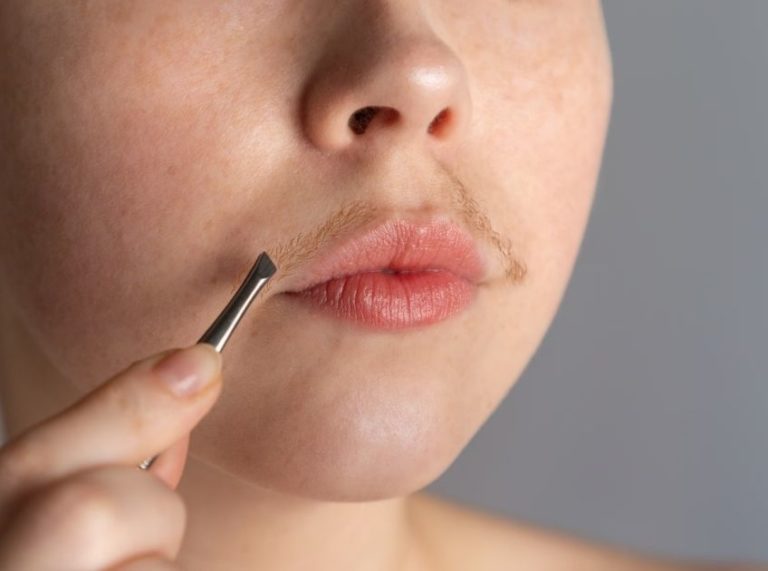
Unlike the thick, dark “terminal” hair on your head or underarms, peach fuzz (vellus hair) is fine, translucent, and shallowly rooted. It’s actually a tiny multitasker:
- Protection: It acts as a light barrier for your skin.
- Thermostat: It helps with minor temperature regulation.
- The “No-Go” Zones: You’ll find it everywhere except your palms, soles, and lips.
Why Smooth it Over?
Removing these tiny hairs isn’t just about hair removal; it’s a skincare hack.
- Makeup Perfection: Products sit on your skin, not on top of hairs, preventing that “cakey” look.
- Product Absorption: Without the hair-and-dead-skin barrier, your expensive serums can actually reach your pores.
- Instant Glow: Removing fuzz acts as a physical exfoliant, allowing light to bounce off your skin more evenly.
The Ultimate Guide to Removing Facial Peach Fuzz
Choosing the right way to manage peach fuzz depends entirely on your skin’s sensitivity, your pain threshold, and how much maintenance you’re willing to do. Here is a breakdown of the most popular removal methods, categorized by how they work and what you can expect from each.
The “Pro” Exfoliators: Dermaplaning
Dermaplaning is the gold standard for those seeking that “glass skin” finish. In this method, a professional uses a sterile, surgical-grade scalpel held at a 45-degree angle to gently scrape the surface of the skin.
- How it Works: It removes both the vellus hair and the top layer of dead skin cells (the stratum corneum).
- The Result: You get an instant, radiant glow and a perfectly smooth canvas for makeup.
- Longevity: Results typically last 2–4 weeks before the fuzz becomes noticeable again.
The DIY Quick Fix: At-Home Shaving
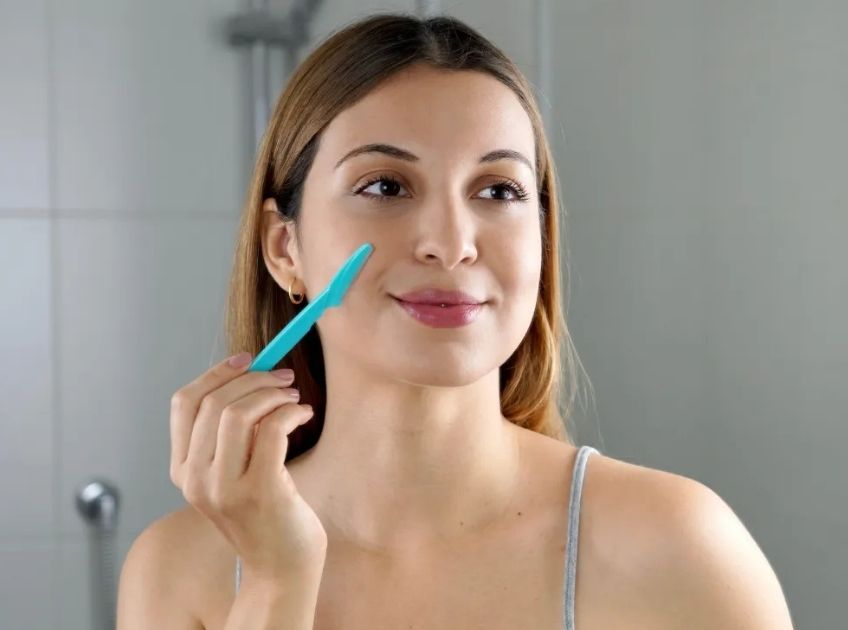
If you’re looking for a low-cost, painless option, facial shaving (often called “tinkling”) is a fan favorite. Using a small, single-blade facial razor, you can quickly tidy up your face in front of the bathroom mirror.
- Best For: Beginners or those on a budget who want a quick touch-up without a salon visit.
- Pro Tip: Always use a clean blade and shave on clean, dry skin—or with a light facial oil to prevent “razor burn.”
- Longevity: Since the hair is cut at the surface, you’ll likely need a touch-up every 1–2 weeks.
Root-Level Removal: Threading, Waxing, and Sugaring
For those who want to go longer between sessions, pulling the hair from the root is the way to go. These methods are more “high-sensation” (read: they sting a bit), but the results are much more durable.
Threading & Waxing:
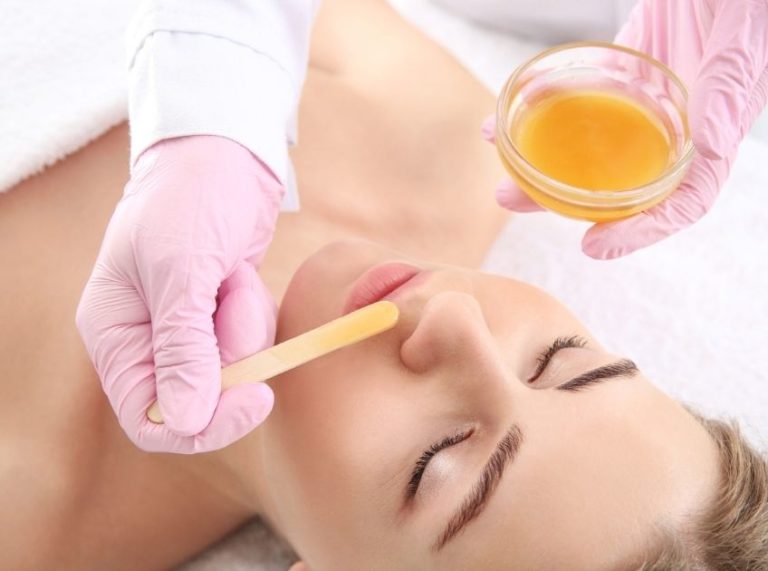
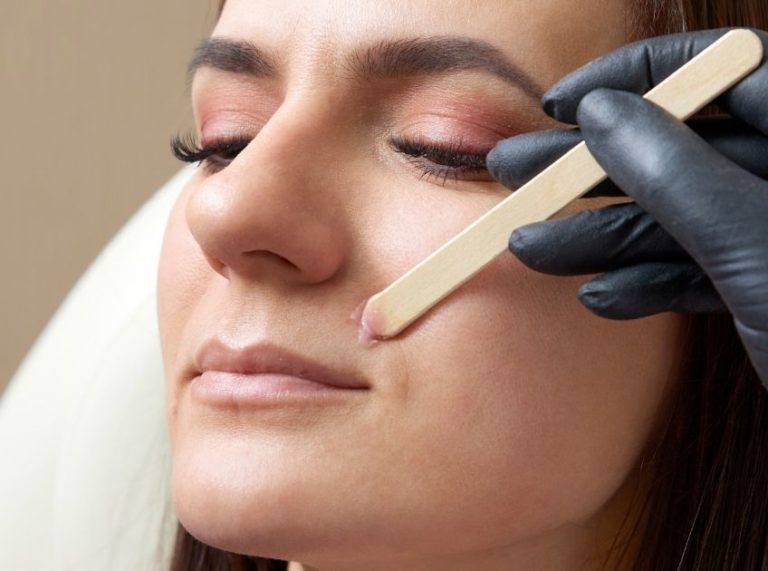
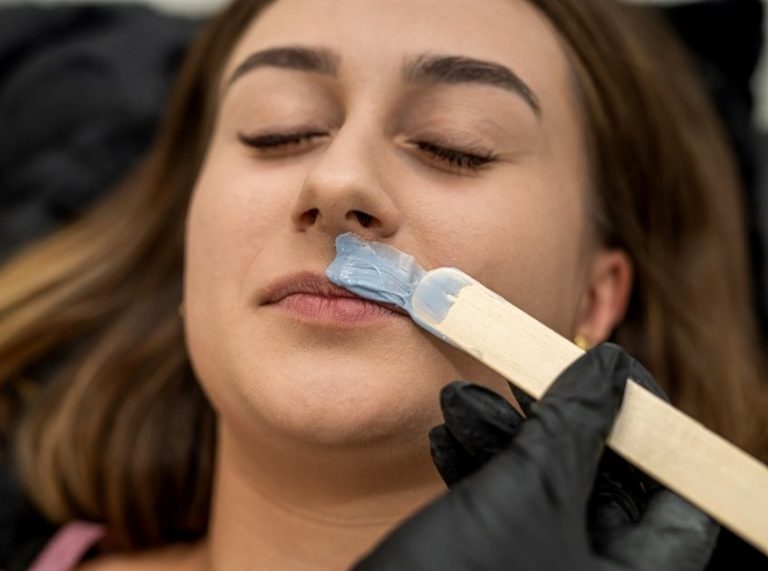
- Threading uses a doubled-over cotton thread to “grab” and lift hairs out, making it incredibly precise for areas like the upper lip or eyebrows. Waxing uses a resin-based melt to strip hair away in larger patches.
Longevity: Expect smooth skin for 3–6 weeks.
Sugaring:
- A gentler alternative to waxing, sugaring uses a paste made of lemon, sugar, and water. It’s often preferred by those with sensitive skin because the paste sticks to the hair, not the skin itself.
The Low-Intervention Options: Bleaching and Creams
If the idea of a blade or hot wax makes you nervous, you can opt for chemical solutions that either hide the hair or dissolve it.
Bleaching:
- This doesn’t actually remove the hair; it simply strips the pigment so dark fuzz becomes “invisible” against your skin tone. It’s a great “no-removal” alternative.
Depilatory Creams:
- These use chemicals to break down the keratin bonds in the hair so it can be wiped away.
Warning: Always do a patch test first! Facial skin is delicate, and these formulas can sometimes cause chemical burns if left on too long.
The Permanent Solution: Electrolysis
While laser hair removal is famous, it rarely works on peach fuzz because the lasers need dark pigment to “see” the hair. For fine, light vellus hair, Electrolysis is the only permanent option.
How it Works: A provider inserts a microscopic probe into each individual hair follicle and sends a tiny electric current to destroy the growth center.
The Commitment: It takes multiple sessions and can be time-consuming, but once a follicle is successfully treated, that hair is gone for good.
Aftercare: The “Golden Rules”
Once the fuzz is gone, your skin is essentially “naked” and sensitive. Treat it with kindness:
- The 48-Hour Rule: Skip the Retinols, Vitamin C, and harsh AHAs/BHAs. Your skin barrier needs a breather.
- Hydrate, Hydrate, Hydrate: Use a soothing Hyaluronic Acid or a basic ceramide moisturizer to lock in water.
- SPF is Non-Negotiable: You’ve just removed a layer of protection and dead skin. Without sunscreen, you’re at a much higher risk for sunspots.
- Hands Off: Avoid touching your face to prevent “maskne” or bacterial breakouts in newly opened follicles.
Whether you choose the professional precision of dermaplaning or the quick convenience of an at-home facial razor, managing peach fuzz is all about enhancing your natural canvas. There is no “right” way to handle vellus hair—only the way that makes your skin feel its best and your products work their hardest. Just remember to lead with kindness: stay hydrated, keep your tools clean, and never skip your SPF. After all, the smoothest skin is healthy skin.