Important: This article is for informational purposes only. Please read our full disclaimer for more details.
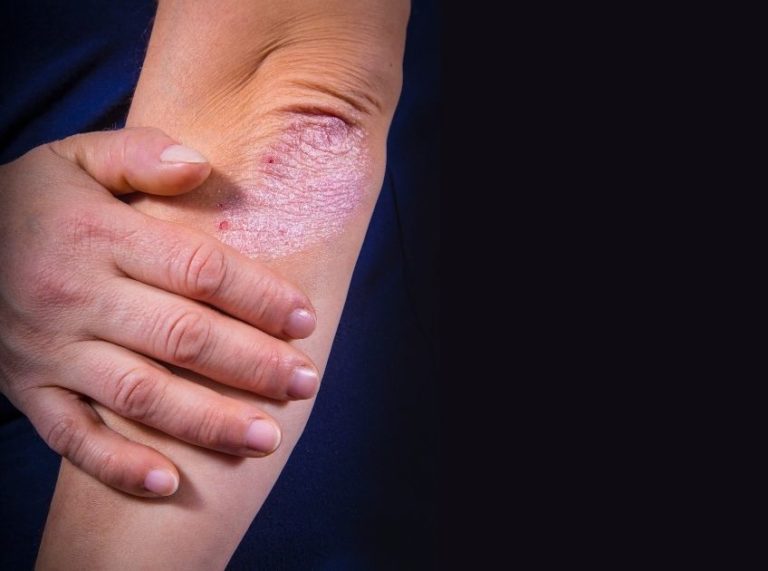
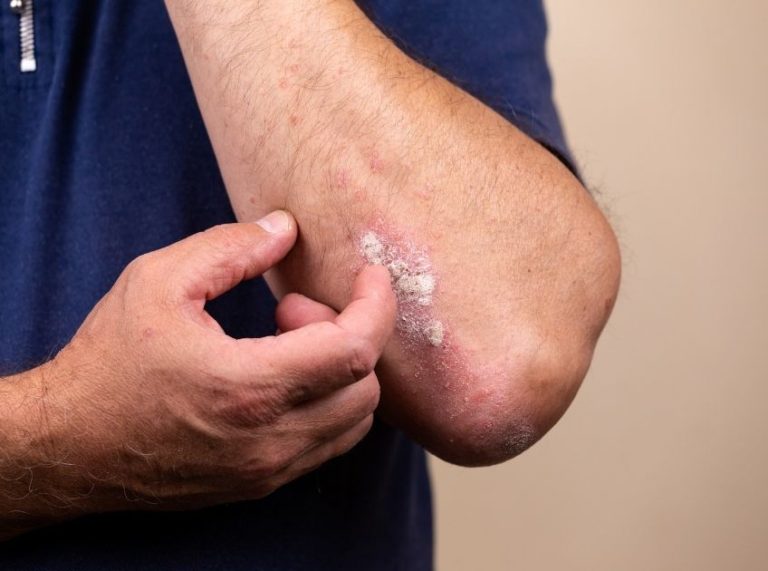
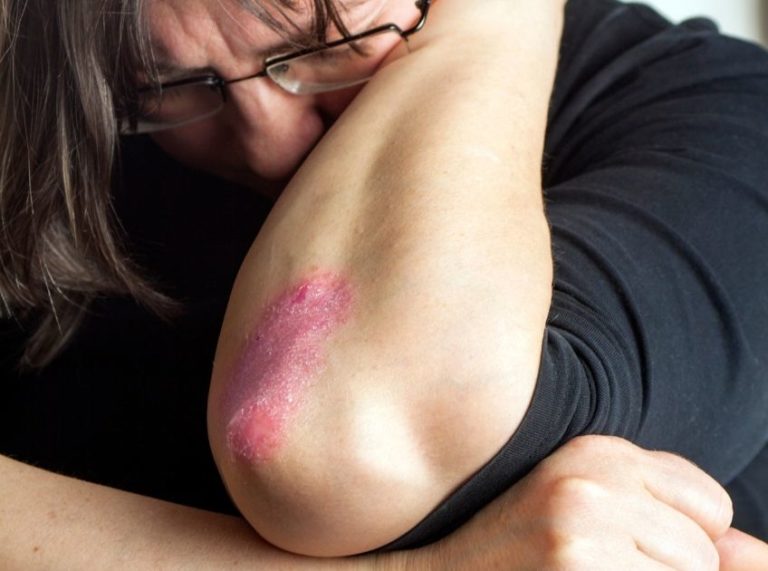
Eczema (atopic dermatitis) is a frustrating, chronic inflammatory condition that often requires a multi-step approach. While moisturisers, topical steroids, barrier creams, and lifestyle adjustments play a major role in minimising flare-ups, many people continue to struggle with itching, dryness, and recurring inflammation.
That’s where supplements come in. Certain nutrients and bioactive compounds may support skin barrier repair, reduce inflammation, modulate the immune system, and promote microbial balance — all key factors that influence eczema severity. Importantly, supplements are not cures, but they can be helpful add-on strategies when used alongside medical care.
Below, we break down six of the most researched and promising supplements for eczema, including what early scientific findings suggest and how they may fit into an overall eczema management routine.
6 Supplements Worth Considering for Eczema Support
1. Omega-3 Fatty Acids: Nourishing the Skin from Within
Omega-3s (EPA and DHA), typically found in fish oil, are known for their anti-inflammatory properties. Eczema is linked to an overactive inflammatory response, and omega-3s may help minimise this activity (1). Several small clinical trials suggest that omega-3 supplementation can reduce skin dryness and itching by regulating inflammatory mediators.
They may also help strengthen the skin barrier by influencing lipid layers within the epidermis. Although results vary, dermatologists often recommend omega-3s as part of a long-term skin-support plan.
2. Vitamin D: Supporting Immune Balance
Vitamin D deficiency is common among people with eczema, especially children. This vitamin plays a major role in immunity and skin barrier function. Research has shown that supplementing vitamin D may reduce eczema severity scores, particularly in those with naturally low levels (2).
Vitamin D supports antimicrobial peptide production, helping the skin defend itself from infections — a frequent complication in eczema patients. It may also help regulate immune pathways involved in allergic inflammation. Ensuring adequate vitamin D levels through supplements or monitored sun exposure can be beneficial.
3. Probiotics: Restoring Gut-Skin Harmony
The gut and skin share a close connection known as the “gut-skin axis.” Imbalances in gut bacteria may worsen inflammatory skin conditions, including eczema. Probiotics — especially strains such as Lactobacillus rhamnosus GG, Lactobacillus plantarum, and Bifidobacterium species — have been studied for their role in reducing eczema flare-ups.
Some research suggests probiotics may reduce symptom severity by modulating immune responses, strengthening the gut barrier, and lowering systemic inflammation (3). Effects vary by strain, age group, and dosage, and improvements are typically gradual. Still, probiotics are one of the most promising integrative tools for eczema support.
4. Evening Primrose Oil: A Source of GLA for Reducing Itch
Evening primrose oil (EPO) contains gamma-linolenic acid (GLA), an omega-6 fatty acid involved in maintaining healthy skin barrier function. People with eczema often have a deficiency in an enzyme that converts fatty acids into GLA, which may contribute to dryness and increased inflammation.
Some studies show that EPO supplementation improves itching, scaling, and redness by supporting moisture retention and inflammatory balance (4). However, research results have been mixed. While not a universal solution, EPO is frequently used in dermatology for its potential anti-inflammatory and barrier-strengthening benefits.
5. Zinc: Helping the Skin Heal and Protect Itself
Zinc is essential for wound healing, immune function, and maintaining skin structure. Low zinc levels have been documented in some people with eczema, and supplementation has been shown in certain studies to reduce inflammation and infection risk (5).
Zinc helps regulate mast cell activity — cells involved in eczema-related itching. It also supports the production of keratin and collagen, which help strengthen the skin barrier. For those with mild deficiencies or frequent skin infections, zinc can be a valuable addition.
6. Quercetin: A Natural Anti-Inflammatory and Antihistamine
Quercetin is a plant flavonoid found in fruits and vegetables. It’s known for its antioxidant and antihistamine effects. Early research indicates that quercetin may reduce skin inflammation by preventing the release of histamine and other inflammatory chemicals from immune cells (6).
Because eczema is often linked to allergic responses, quercetin’s antihistamine and mast-cell-stabilising properties may help soothe itching and reduce flare severity. Although more human studies are needed, quercetin is widely used in integrative dermatology for allergy-driven eczema.
What Research Tells Us About These Supplements
While supplements are widely used, research findings are still emerging. Key scientific insights include:
- Eczema involves impaired skin barrier function and immune dysregulation. Supplements such as omega-3s and vitamin D may help correct these underlying processes.
- Gut microbiome imbalance can contribute to inflammation. Probiotics have shown potential in improving immune tolerance and reducing flare frequency, although strain-specific effects are crucial.
- Lipid metabolism issues may worsen eczema symptoms. Evening primrose oil may help restore balance, but studies have shown mixed outcomes.
- Antioxidant and anti-inflammatory compounds like quercetin may reduce itching triggered by allergens or irritants.
- Nutrient deficiencies (zinc, vitamin D, and essential fatty acids) can worsen skin symptoms, highlighting the importance of personalised assessment.
The consensus from dermatology research: supplements can be supportive adjuncts, not replacements, for medical treatments such as topical steroids, immunomodulators, or biologics.
Frequently Asked Questions (FAQ’S)
1. Can supplements cure eczema?
A. No supplement can cure eczema. However, certain nutrients may help manage inflammation, improve the skin barrier, and reduce flare-ups when used alongside a proper treatment plan.
2. How long does it take to see improvement with supplements?
A. Most supplements take 4 to 12 weeks to show noticeable effects. Probiotics and fatty acids may require longer for full benefits, as they work gradually to modulate inflammation and restore balance.
3. Should I take all six supplements together?
A. Not necessarily. The best approach is individualised. Many people benefit from starting with one or two evidence-supported options — such as omega-3s and vitamin D — then adjusting based on symptoms and professional guidance.
Eczema can be incredibly challenging, but the right nutritional support may offer meaningful relief. Supplements such as omega-3s, probiotics, vitamin D, evening primrose oil, zinc, and quercetin target key aspects of eczema biology, from inflammation to barrier integrity to immune regulation. While research is still evolving, many dermatology practitioners see these supplements as helpful tools when used thoughtfully and consistently.