Important: This article is for informational purposes only. Please read our full disclaimer for more details.
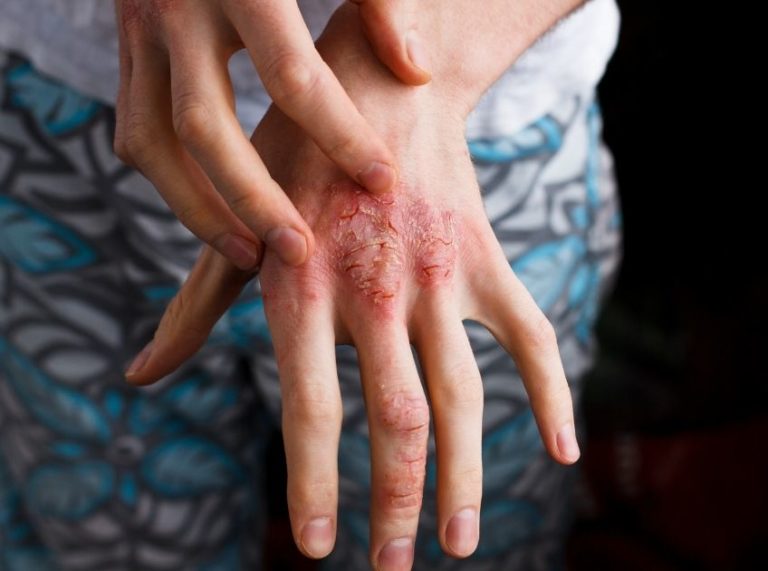
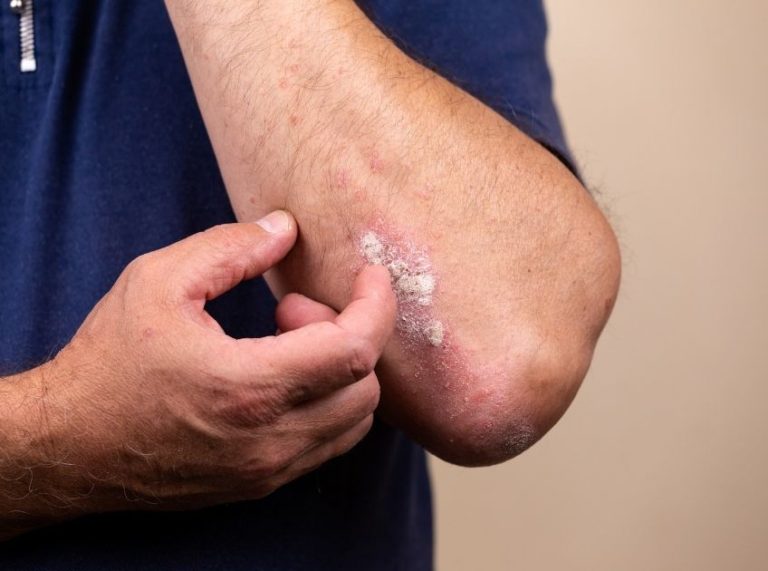
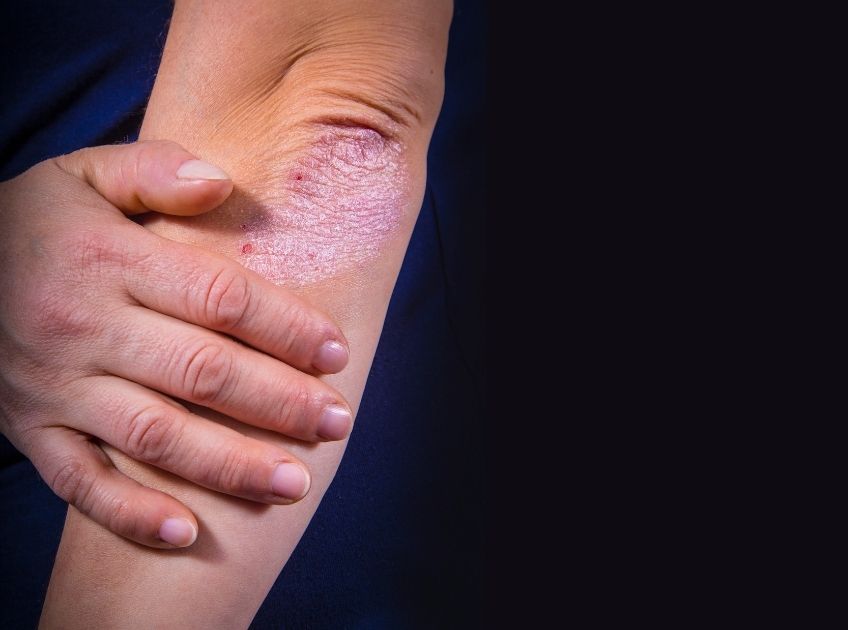
Psoriasis is more than a skin condition—it is a chronic inflammatory disorder driven by an overactive immune response. While topical treatments, phototherapy, and prescription medications remain the cornerstone of medical care, growing research suggests that nutritional support and targeted supplements may help reduce inflammation, support skin barrier function, and potentially improve flare frequency and severity.
Although supplements are not a cure and should never replace medical therapy, the right vitamins and nutrients can complement your treatment plan. Below, a dermatology-focused nutrition expert breaks down the vitamins and supplements most frequently studied for psoriasis relief.
Article Contains
7 Vitamins and Supplements That May Support Psoriasis Relief
1. Vitamin D: The Immune-Regulating Powerhouse
Vitamin D influences how quickly skin cells grow and shed, two key factors in psoriasis. It also helps regulate immune activity by reducing inflammatory cytokines that drive plaque formation.
Research shows that people with psoriasis often have lower vitamin D levels, and supplementation may help lower symptom severity when levels are corrected (1).
Best Forms:
- Vitamin D3 (cholecalciferol) is the most effective form.
- Some dermatologists also combine oral vitamin D with topical vitamin D analogues for enhanced results.
Who It Helps Most:
- Individuals with confirmed deficiency
- Those with winter flare-ups
- People with widespread plaques
Safety Notes: Avoid high doses unless supervised, as vitamin D can build up in the body and affect calcium levels.
2. Omega-3 Fatty Acids: Inflammation-Fighting Essential Fats
Omega-3s (EPA and DHA) reduce inflammatory molecules such as TNF-α, IL-6, and IL-1β—many of the same cytokines targeted by biologic medications (2).
Some Clinical Trials Show:
- Reduced redness
- Less scaling
- Improved itching
- Enhanced results when paired with light therapy or topical steroids
Best Forms:
- Fish oil capsules
- Algal omega-3 (vegan option)
- Cod liver oil (contains vitamin D but must be used carefully)
Who It Helps Most:
- Those with moderate to severe inflammation
- People whose flares worsen with stress
- Individuals with omega-3-poor diets
Safety Notes: High doses may thin blood. Avoid combining with blood thinners unless cleared by a doctor.
3. Vitamin B12: Supporting Cell Repair and Reducing Skin Inflammation
Vitamin B12 supports red blood cell production, nerve health, and skin cell metabolism. While topical B12 creams have historically shown improvements in redness, itch, and irritation, oral B12 may also support systemic inflammation when deficiency is present (3).
Since B12 deficiency is more common in plant-based diets, correcting low levels often improves skin dryness and irritation, indirectly benefiting psoriasis symptoms.
Best Forms:
- Methylcobalamin (high absorption)
- Cyanocobalamin (affordable and effective)
- Topical B12 creams for sensitive skin
Who It Helps Most:
- Vegetarians, vegans
- Individuals with anaemia
- People experiencing fatigue along with psoriasis flares
Safety Notes: Generally safe; excess is excreted. Rarely, very high levels may cause acne-like breakouts.
4. Zinc: The Skin-Restoring Mineral
Zinc Plays a Role in:
- Immune regulation
- Wound healing
- Reducing oxidative stress
- Supporting keratinocyte (skin cell) turnover
Several studies show that individuals with psoriasis often have lower serum zinc levels. Supplementation may help reduce scaling and promote faster healing (4).
Best Forms:
- Zinc picolinate (excellent absorption)
- Zinc gluconate
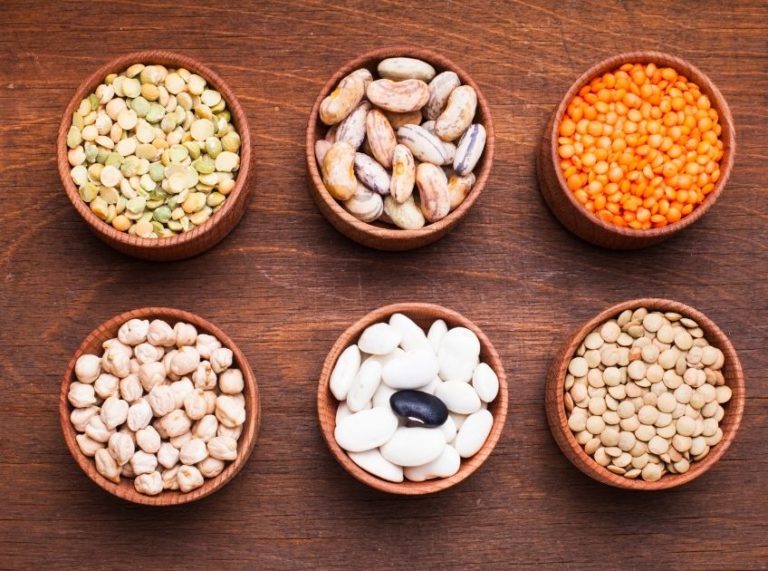
- Zinc-rich foods such as pumpkin seeds and chickpeas
Who It Helps Most:
- People with slow-healing plaques
- Individuals with frequent infections
- Those with brittle nails (common alongside psoriasis)
Safety Notes: Avoid exceeding the recommended intake. Too much zinc may interfere with copper absorption.
5. Probiotics: Addressing the Gut–Skin Link
Psoriasis is increasingly recognised as a condition linked to gut health. A disrupted microbiome may increase systemic inflammation, triggering skin flare-ups (5).
Early Research Shows Certain Probiotic Strains May:
- Lower inflammation
- Improve the balance of gut bacteria
- Reduce flare frequency
- Support immune tolerance
- Some studies also report improved quality-of-life scores.
Best Forms:
- Look for supplements with:
- Lactobacillus plantarum
- Lactobacillus rhamnosus
- Bifidobacterium infantis
- Multi-strain blends (10–20 billion CFU)
Who It Helps Most:
- Those whose flares correlate with digestive issues
- Individuals with antibiotic-induced flare-ups
- People experiencing bloating or irregular digestion along with psoriasis
Safety Notes: Generally safe; people with compromised immune systems should consult a doctor first.
6. Curcumin: Targeting Psoriasis Inflammation Pathways
Curcumin (from turmeric) has strong anti-inflammatory effects and may help reduce several psoriasis-related inflammatory markers, including:
- TNF-α
- IL-17
- IL-23
These are the same targets as several biologic medications, though curcumin acts more gently.
Some studies show improved plaque severity and reduced scaling when curcumin is taken orally or applied topically (6).
Best Forms:
- Curcumin extract with black pepper (piperine)
- Liposomal curcumin for enhanced absorption
- Turmeric powder added to meals (supportive but milder)
Who It Helps Most:
- People with inflammation-driven flares
- Individuals unable to tolerate NSAIDs
- Those who prefer plant-based anti-inflammatory support
Safety Notes: May interfere with blood thinners; avoid if you have gallstones unless cleared by a doctor.
7. Vitamin E: Restoring Skin Barrier Strength and Moisture
Vitamin E is a fat-soluble antioxidant that protects skin cells from oxidative damage and helps strengthen the outer skin barrier (7).
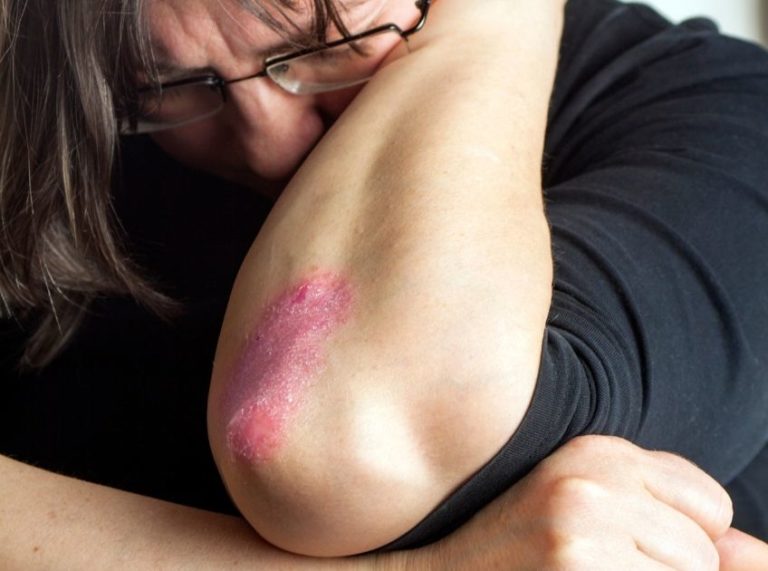
Psoriasis often comes with dryness, cracking, and compromised barrier function—making vitamin E especially useful.
Research Suggests that Vitamin E may:
- Improve skin hydration
- Reduce plaque roughness
- Decrease oxidative stress
- Support healing when paired with omega-3s
- Some small trials show improvement in psoriasis severity scores with oral vitamin E supplementation.
Best Forms:
- Natural vitamin E (d-alpha-tocopherol)
- Mixed tocopherols
- Vitamin E–rich oils (topical use)
Who It Helps Most:
- People with very dry, cracked patches
- Those with age-related dryness
- Individuals experiencing skin tightness during healing
Safety Notes: High doses can thin blood or interact with anticoagulants. Use a moderate dosage unless guided by a clinician.
Frequently Asked Questions (FAQ’S)
1. How long do supplements take to show results in psoriasis?
A. Most supplements need 8–12 weeks of consistent use before changes become noticeable. Nutrients that correct deficiencies may work faster.
2. Are supplements safe to combine with psoriasis medications?
A. Many are safe, but interactions can occur—for example, high-dose fish oil can increase bleeding risk, and vitamin E may amplify this effect. Always check with your dermatologist before combining supplements with prescriptions.
3. Can supplements replace topical or biologic treatments?
A. No. Supplements can support inflammation reduction and skin repair, but they cannot cure psoriasis or replace standard medical care. They work best as part of a comprehensive treatment strategy.
Supplements can be valuable allies in managing psoriasis—particularly those that target inflammation, support immune balance, and strengthen the skin barrier. Vitamins D, E, and B12, omega-3 fatty acids, probiotics, curcumin, and zinc each offer unique benefits backed by emerging or established research.
However, supplementation should always complement—not replace—your dermatologist’s treatment plan. By choosing high-quality supplements and working with a healthcare provider, many individuals experience better control over flare-ups, improved skin comfort, and enhanced overall health.