Important: This article is for informational purposes only. Please read our full disclaimer for more details.
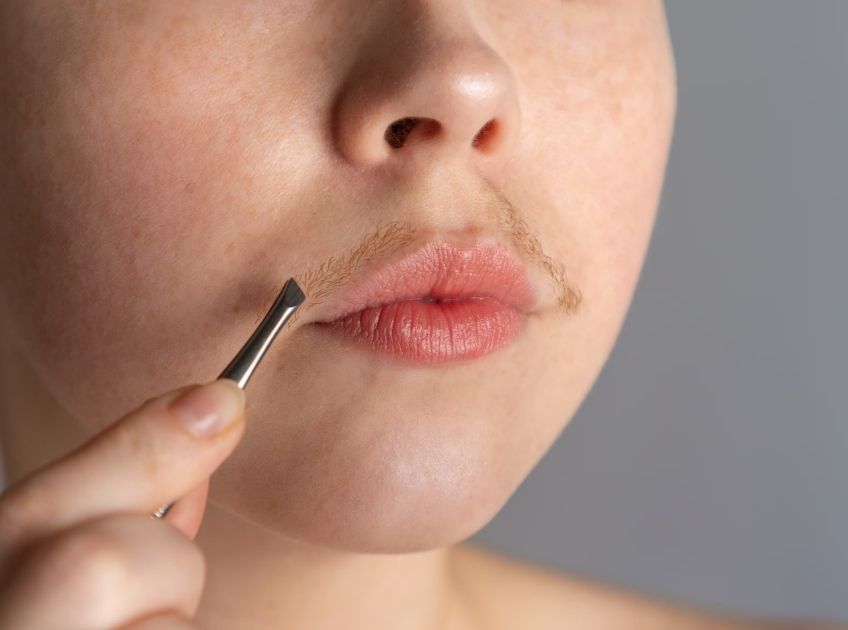
Unwanted facial hair is very common, especially on the upper lip, chin, and sideburns. If you prefer a smoother look, a few gentle, kitchen‑based DIY remedies can help soften or loosen fine hairs while also exfoliating the skin. These methods are low‑cost and accessible, but they are not magic or permanent solutions. [1]
Simple DIY Facial Hair Removal Recipes
1. Turmeric and Gram Flour (Besan) Mask
How It Works:
- Gram flour acts as a mild exfoliant that can grip fine facial hairs, while turmeric may help soothe skin and, with repeated use, slightly weaken very fine hair at the surface level. The mask dries into a film that can help lift some baby hairs when rubbed off. [2]
Key Components:
- Gram flour (besan)
- Turmeric powder
- Milk or yogurt (for moisture)
How to Prepare and Use – Step by Step
- In a small bowl, mix 2 tablespoons gram flour with ½ teaspoon turmeric powder.
- Add enough milk or yogurt to form a thick, spreadable paste.
- Apply a thin, even layer over clean, dry skin in the hairy areas, avoiding eye area and active acne.
- Let it dry completely (about 15–20 minutes).
- Once dry, gently rub the mask off using small circular motions, moving against hair growth.
- Rinse with lukewarm water and follow with a light moisturizer.
How Often to Use: Up to 2–3 times per week, depending on skin tolerance.
Application Method: Topical mask with mechanical rubbing to dislodge fine hairs.
Precautions and Safety: Side effects: Turmeric can stain skin and fabrics; gram flour can be drying if overused.
Who should avoid it: Very sensitive, eczema‑prone, or actively inflamed skin may not tolerate repeated rubbing.
Drug interactions: None directly, but avoid aggressive scrubbing if you use prescription retinoids or chemical exfoliants, as irritation risk increases.
2. Sugar and Lemon “Wax‑Style” Paste
How It Works
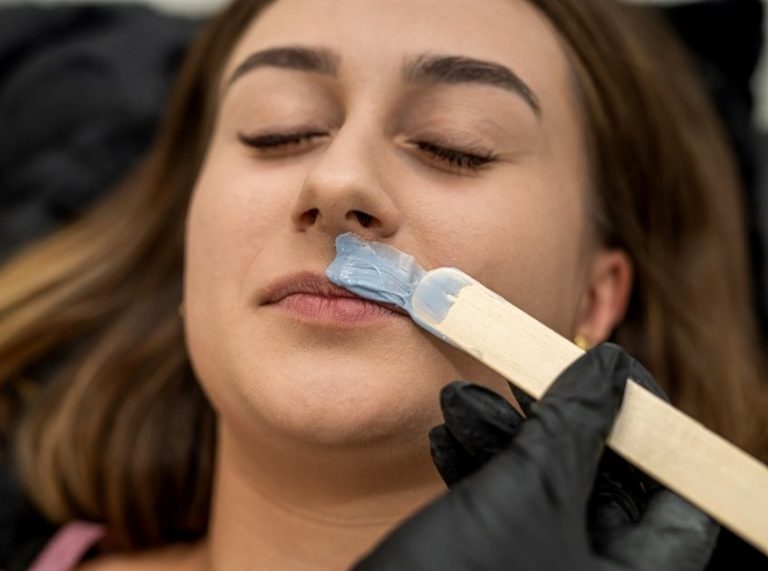
- Warm sugar and lemon form a sticky syrup that can cling to hair shafts. When removed, it works similarly to a very mild sugar waxing (sugaring), pulling some hairs out from the root while exfoliating the top layer of dead skin. [3]
Key Components
- Granulated sugar
- Lemon juice
- Water
How to Prepare and Use – Step by Step
- In a small pan, combine 2 tablespoons sugar, 2 teaspoons lemon juice, and 1–2 teaspoons water.
- Heat on low, stirring until the sugar dissolves and the mixture thickens slightly into a syrup (do not boil hard).
- Allow to cool until warm, not hot.
- On clean, dry skin, lightly dust the area with a bit of corn flour or plain flour if your skin is oily (optional).
- Using clean fingers or a spatula, spread a thin layer in the direction of hair growth.
- Press a clean cotton strip or piece of cotton cloth on top if desired, smooth it down, and then quickly pull off against hair growth.
- Rinse with cool water and apply a soothing, fragrance‑free moisturizer or aloe gel.
How Often to Use: Typically no more than once every 1–2 weeks on the same area to avoid irritation.
Application Method: Topical sugaring‑style hair removal.
Precautions and Safety: Side effects: Redness, stinging, temporary bumps, or minor ingrown hairs are possible.
Who should avoid it: People using strong acne treatments, chemical peels, or retinoids on the face should be cautious; skin may be too fragile for any waxing‑type method.
Drug interactions: Topical retinoids, recent laser, or chemical peel treatments increase risk of skin tearing or burns—consult your dermatologist first.
3. Oatmeal and Banana Gentle Scrub
How It Works
- Finely ground oatmeal acts as a mild physical exfoliant that can slightly loosen fine facial hairs, while mashed banana provides slip and moisture. This combination is better for softening and making fine hair less noticeable than actually removing thick hair. [4]
Key Components
- Finely ground oatmeal
- Ripe banana
- A few drops of honey (optional)
How to Prepare and Use – Step by Step
- Mash ½ ripe banana in a clean bowl until smooth.
- Add 1 tablespoon finely ground oatmeal and mix to form a soft paste.
- Optionally, add ½ teaspoon honey if your skin is not acne‑prone.
- Apply a thin layer to clean, slightly damp skin.
- Using gentle circular motions, massage the mixture for 3–5 minutes, focusing on areas with fine hair.
- Leave on for another 5–10 minutes as a soft mask, then rinse with lukewarm water and pat dry.
- Follow with a non‑comedogenic moisturizer.
How Often to Use: Up to 2 times per week, especially for dry or combination skin.
Application Method: Topical scrub/mask with very gentle mechanical exfoliation.
Precautions and Safety: Side effects: Over‑scrubbing can cause micro‑irritation, especially on sensitive or rosacea‑prone skin.
Who should avoid it: People with active breakouts or very sensitive skin should keep massage time short and pressure very light.
Drug interactions: Use extra caution if your routine already includes physical scrubs or strong chemical exfoliants.
4. Egg White, Sugar, and Cornstarch Peel‑Off Mask
How It Works
- Egg white dries into a tight film on the skin; sugar and cornstarch help increase grip on fine hairs. When peeled off, the mask can catch some baby hairs and blackheads in the top layer, functioning like a very mild peel‑off strip. Evidence is mostly anecdotal. [5]
Key Components
- Egg white
- Sugar
- Cornstarch (or fine rice flour)
How to Prepare and Use – Step by Step
- Separate 1 egg white into a bowl (discard the yolk or save for cooking).
- Add 1–2 teaspoons sugar and 1 teaspoon cornstarch, whisking until well combined and slightly frothy.
- On clean, dry skin, apply a thin, even layer with a brush or clean fingers, avoiding eyebrows, hairline, eyes, and lips.
- Allow to dry completely (around 15–20 minutes), until it feels tight.
- Starting at the edges, gently peel the film upward; do not rip quickly if your skin is sensitive.
- Rinse leftover residue with lukewarm water and moisturize.
How Often to Use: No more than once every 1–2 weeks to limit irritation.
Application Method: Topical peel‑off mask.
Precautions and Safety: Side effects: Redness, mild stinging, or tiny broken capillaries if peeled harshly; risk of egg allergy reactions for some.
Who should avoid it: People with egg allergy, very sensitive or thin skin, or a history of contact dermatitis around the face.
Drug interactions: Be cautious if using retinoids or prescription exfoliants; skin may be more reactive to peel‑off masks.
5. Papaya and Turmeric Enzyme Mask (For Non‑Sensitive Skin)
How It Works
- Raw papaya contains the enzyme papain, which can help break down keratin in the top layers of skin and, over time, may slightly weaken very fine hair shafts. Combined with turmeric, this mask is more about gradual softening and lightening of fine hair than instant removal. [6]
Key Components
- Raw (unripe) papaya pulp
- Turmeric powder
How to Prepare and Use – Step by Step
- Peel and deseed a small piece of raw green papaya, then mash or blend a few tablespoons into a smooth paste.
- Add ¼–½ teaspoon turmeric powder and mix well.
- Apply a thin layer to clean, dry facial areas with fine hair, avoiding eyes and lips.
- Gently massage for 2–3 minutes, then leave on for another 10–15 minutes.
- Rinse thoroughly with lukewarm water, then apply sunscreen if you are going out.
How Often to Use: Usually 1–2 times per week; this is a slow, cumulative approach.
Application Method: Topical enzyme‑style mask.
Precautions and Safety: Side effects: Turmeric staining, mild tingling; papaya can cause irritation or allergic reactions in some people.
Who should avoid it: Those with latex or papaya allergy, very sensitive skin, or a history of strong reactions to fruit enzymes.
Drug interactions: If you’re using prescription exfoliants or peels, talk to your dermatologist first, as extra enzyme exposure may increase irritation.
When to See a Dermatologist or Doctor
DIY masks and scrubs are best for fine, light facial hair and for people without major skin problems. You should stop home remedies and seek professional advice if:
- Facial hair is suddenly thick, coarse, or rapidly increasing (especially on the chin, jawline, or chest).
- You notice irregular periods, acne, or weight changes along with new hair growth (possible hormonal cause).
- You develop burning, severe redness, scabbing, or dark/white patches after using a remedy.
You feel distressed or self‑conscious despite home care and want longer‑lasting solutions like threading, professional waxing, depilatory creams recommended by a dermatologist, electrolysis, or laser hair reduction. [7]
Frequently Asked Questions (FAQ’S)
1. Can kitchen ingredients permanently remove facial hair?
A. No. Kitchen‑based remedies can help loosen fine hairs, make them less noticeable, or slightly slow regrowth in some cases, but they do not provide permanent removal. Permanent or near‑permanent reduction usually requires medical options like electrolysis or professional laser treatments.
2. Which DIY remedy is gentlest for sensitive skin?
A. For sensitive skin, very mild exfoliating options like a soft oatmeal–banana scrub used briefly and with light pressure are generally kinder than peel‑off masks or sugar “wax” pastes. Always patch test on a small area first and stop if you notice burning, stinging, or strong redness.
3. How long does it take to see results from natural facial hair remedies?
A. Results are usually subtle and slow. You might notice smoother skin right away from exfoliation, but any change in hair thickness or visibility tends to be gradual over several weeks of consistent use, and often modest.
4. Are DIY facial hair masks safe to use if I’m on retinoids or chemical peels?
A. If you use prescription retinoids, strong acids, or had recent chemical peels, your skin is more fragile. Scrubs, peel‑off masks, or sugaring can dramatically increase irritation or even cause skin tears. In this situation, only very gentle options (or none) should be considered, under dermatology guidance.
5. Will these remedies work on thick chin hair or hormonal facial hair?
A. Thick, coarse chin or jawline hair—especially if linked to hormones—responds poorly to mild DIY methods and often grows back quickly. In such cases, professional options (threading, waxing, depilatories, electrolysis, or laser under medical supervision) and an endocrine evaluation may be more appropriate.
These DIY remedies are meant for minor, cosmetic facial hair concerns and general skin care. They are not substitutes for professional medical advice, diagnosis, or treatment. Always patch test new mixtures and consult a dermatologist or doctor, especially if you have sensitive skin, underlying skin conditions, or significant hormonal hair growth.