Important: This article is for informational purposes only. Please read our full disclaimer for more details.
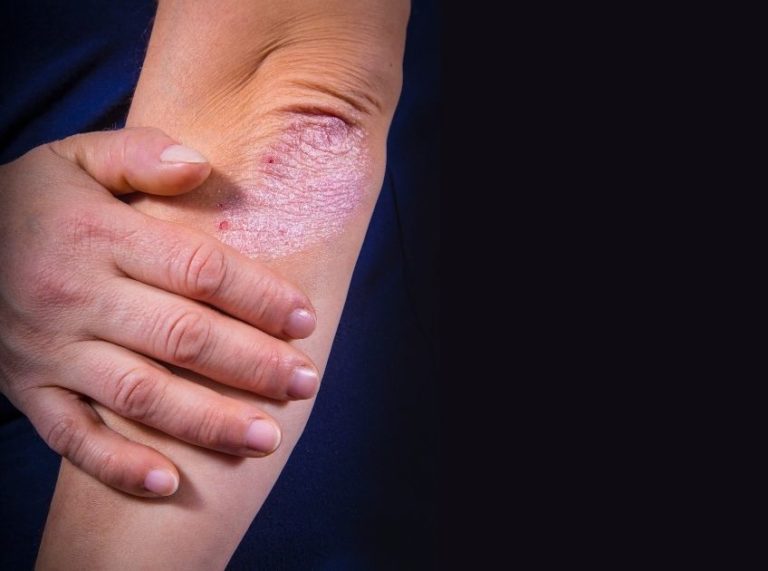
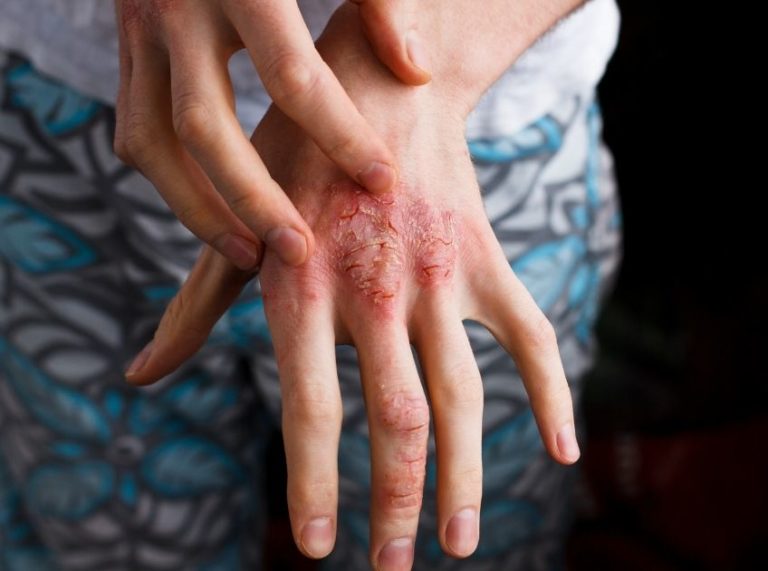
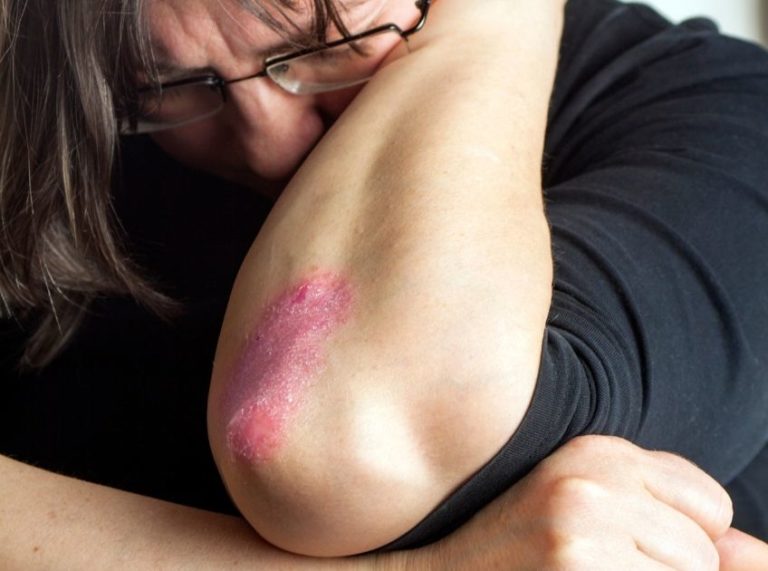
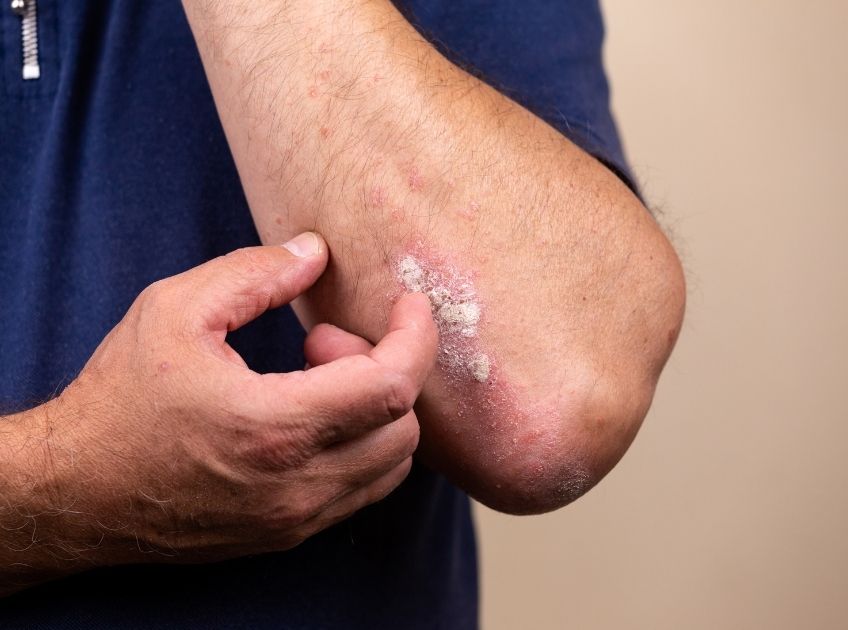
Eczema (atopic dermatitis) is a chronic, inflammatory skin condition marked by dryness, itching, and sensitivity. Many people explore gentler, natural cleansers to avoid flare-ups triggered by harsh soaps. Goat’s milk soap has become a popular choice because it’s rich in fats, vitamins, and skin-friendly compounds. But does it actually help? As a health writer informed by dermatological research, I’ll break down what’s known—and what still needs more study.
Article Contains
What Research Suggests: Can Goat’s Milk Soap Help Calm Eczema?
Goat’s milk soap isn’t a medical treatment for eczema, but it may help manage symptoms when used as part of a gentle skincare routine. Here’s why:
- It Contains Naturally Occurring Lactic Acid: Lactic acid is a mild alpha-hydroxy acid that helps support the skin barrier by gently removing dead skin cells without stripping moisture (1). A healthier barrier is crucial for eczema-prone skin.
- Its Fat Content Helps Replenish Moisture: Goat’s milk is rich in triglycerides and fatty acids that support hydration—something eczema-affected skin desperately needs (2). Compared to conventional soaps that can be drying, goat’s milk soap is less likely to damage the lipid barrier.
- Its pH is Closer to The Skin’s Natural Level: Human skin sits at a slightly acidic pH. Many bar soaps are alkaline, which can worsen dryness and irritation. Goat’s milk soap tends to be gentler and more balanced.
- Early Evidence Supports Benefits for Barrier-Damaged Skin: Some studies on milk-based skincare suggest improved hydration and smoother barrier function (3). While not eczema-specific, this is encouraging for people dealing with chronic dryness.
Bottom Line: Goat’s milk soap may help reduce irritation, dryness, and itching, but it is not a cure for eczema. It works best as part of a broader eczema-friendly routine.
For Young Skin: Can Babies and Kids Safely Use Goat’s Milk Soap?
Parents often look for gentle alternatives because children’s skin is thinner, more sensitive, and loses moisture more easily. Goat’s milk soap is generally considered safe for most babies and children—with a few caveats:
- Choose unscented, additive-free versions. Fragrances or dyes can trigger flare-ups.
- Patch-test first, especially if your child has moderate to severe eczema.
- Use sparingly; even gentle soaps can dry the skin if used too frequently.
- Avoid if your child has a known allergy to dairy proteins. Although reactions through the skin are rare, they’re not impossible.
Pediatric dermatologists often emphasize that no soap—no matter how gentle—should replace medical eczema management such as moisturizers, barrier creams, or prescribed treatments. Goat’s milk soap is best viewed as a mild cleansing option, not a therapeutic product.
What to Keep in Mind: Safety Notes and Smart Precautions
Even natural products can cause trouble for ultra-reactive skin. Use goat’s milk soap carefully if:
- You Have a Dairy Allergy: While most reactions come from ingestion, skin contact can still cause sensitivity in rare cases.
- You’re Using Scented or Exfoliating Versions: Essential oils, colorants, clays, or botanical additives may irritate eczema-prone skin.
- You Have Open Eczema Wounds: Any soap—even gentle ones—can sting broken skin.
- Your Eczema is Moderate to Severe: In such cases, goat’s milk soap may not provide enough support for the compromised barrier, so dermatological treatments remain essential.
Best Practices: How to Use Goat’s Milk Soap for Eczema Relief
Using goat’s milk soap effectively is less about the product itself and more about how it fits into your overall eczema-care routine. Since eczema involves a compromised skin barrier, every step—from water temperature to how you dry your skin—matters. Here’s a detailed, expert-informed guide to making the most out of goat’s milk soap.
1. Keep Bathing Short and Gentle
Long, hot showers strip the skin of natural oils and worsen eczema, even when using mild cleansers. The ideal routine is:
- Keep showers or baths under 10 minutes
- Use lukewarm water, never hot
- Avoid soaking for long periods unless doing a medically recommended bleach or oatmeal bath.
- Gentle cleansing helps maintain natural moisture levels, which goat’s milk soap supports by adding hydrating fats.
2. Use the Soap Sparingly
Even gentle soaps can dry out eczema-prone skin if used too often. Dermatologists often recommend:
- Using goat’s milk soap only on areas that feel oily, sweaty, or visibly dirty
- Cleansing other areas with just water to prevent unnecessary stripping
- Limiting full-body cleansing with soap to once per day, or even every other day, for sensitive individuals
- This approach minimizes irritation while preserving the skin barrier.
3. Choose the Right Formulation
Not all goat’s milk soaps are created equal. To make sure your choice supports eczema-prone skin:
- Choose unscented, fragrance-free, and dye-free formulas
- Avoid essential oils (lavender, peppermint, tea tree), as they may irritate some types of eczema
- Prefer cold-processed soaps, which retain more of the milk’s natural fats
- Look for short ingredient lists—fewer ingredients reduce the risk of reactions
- Ideal ingredient lists contain oils like olive, coconut, or shea butter, minimal additives, and goat’s milk as one of the first ingredients.
4. Avoid Scrubbing or Rubbing the Skin
Eczema skin is fragile. Scrubbing—even with gentle tools—can trigger inflammation. Instead:
- Lather the soap in your hands, not on a washcloth
- Apply the lather gently, using light pressure
- Avoid facial brushes, loofahs, or exfoliating pads
- This prevents micro-tears and reduces flare-up risk.
5. Rinse Thoroughly but Carefully
Soap residue, even mild, may lead to dryness or itching. To rinse safely:
- Use lukewarm water to wash off the lather completely
- Make sure to rinse skin folds well, where residue can easily accumulate
- Avoid harsh, high-pressure rinsing, which can irritate inflamed areas
- A clean rinse ensures the soap’s benefits without lingering irritation.
6. Pat—Don’t Rub—the Skin Dry
Your post-wash routine matters as much as the cleansing itself. After rinsing:
- Use a clean, soft towel
- Pat the skin lightly until partially dry
- Do not rub, as it may remove protective oils and worsen inflammation
- Aim to keep the skin slightly damp to prepare for moisturizing.
7. Apply a Thick Moisturizer Immediately After
This is the most critical step. Dermatologists call it the “soak and seal” method. After cleansing with goat’s milk soap:
- Apply a fragrance-free, thick moisturizer within 3 minutes
- Choose creams or ointments rather than lotions (creams contain more lipids)
- Apply generously to trap water inside the skin barrier
- For severe eczema, use an occlusive balm (petrolatum or ceramide ointments) over the moisturizer
- Goat’s milk soap helps cleanse gently, but the moisturizer repairs and protects—an essential combination.
8. Follow With Medicated Creams if Prescribed
Goat’s milk soap is not a substitute for eczema treatment. If your dermatologist has given you medication:
- Apply medicated products (e.g., hydrocortisone, tacrolimus, crisaborole) after cleansing but before moisturizing
- Let them absorb for a minute or two
- Seal with moisturizer afterward
- Consistent, proper layering is key to managing symptoms long-term.
9. Monitor Your Skin’s Response
Every eczema case behaves differently. While goat’s milk soap helps many, some may not tolerate even mild ingredients. Pay attention to:
- Increased redness
- Stinging or burning
- Itchier patches
- New rashes
- If you notice any of these, stop using the soap and switch to a dermatologist-recommended cleanser.
10. Avoid Use During Severe Flares
When eczema is actively flaring with open cracks, oozing, or severe inflammation, any soap—including gentle ones—can sting. During such times:
- Use only lukewarm water
- Apply prescribed treatments
- Resume goat’s milk soap only after the skin barrier improves
- Protecting compromised skin is always the priority.
11. Store the Soap Properly for Clean, Safe Use
Goat’s milk soap contains natural ingredients that can degrade if not stored correctly.
- Keep the bar dry between uses.
- Use a draining soap dish
- Avoid leaving it in puddles of water
- Replace bars regularly for hygiene
- A well-stored bar maintains effectiveness and minimizes bacterial contamination.
12. Combine it with an Eczema-Friendly Routine
For best results, pair goat’s milk soap with:
- Short, cool showers
- Humidifiers during dry seasons
- Avoiding harsh detergents or scented laundry products
- Latex-free gloves when cleaning
- Cotton clothing to reduce irritation
- A holistic approach ensures the soap’s benefits are maximized.
Where You Can Find High-Quality Goat’s Milk Soap
Goat’s milk soap is widely available both online and offline. Look for reputable sources, ideally offering handcrafted or small-batch varieties. You can explore:
- Organic skincare stores
- Dermatology-focused marketplaces
- Artisan soap brands
- Larger retailers that stock fragrance-free, natural skincare products
- When shopping, prioritize labels such as:
- “Unscented”
- “Fragrance-free”
- “Cold-processed”
- “For sensitive skin.”
- “No added dyes”
These indicators help ensure you’re choosing a formulation suitable for eczema-prone skin.
Frequently Asked Questions (FAQ’S)
1. Can goat’s milk soap replace my eczema medication?
A. No. It may soothe and support skin health, but cannot replace medical treatments like medicated creams, prescription ointments, or barrier-repair products.
2. How long does it take to notice improvements?
A. Some people feel relief from dryness within a few days. However, it won’t heal or eliminate eczema; improvements usually relate to reduced irritation or better hydration.
3. Should I use goat’s milk soap during an eczema flare-up?
A. If the skin is cracked, oozing, or very inflamed, any soap may sting. Many dermatologists recommend using minimal cleansers during flares. You can resume once skin stabilizes.
Goat’s milk soap has a reputation for being gentle, moisturizing, and supportive of the skin’s natural barrier—all beneficial qualities for eczema-prone skin. While it’s not a treatment and won’t stop flare-ups on its own, it can certainly be a helpful addition to a gentle cleansing routine.
If you choose a high-quality, unscented bar and pair it with a strong moisturizing regimen, goat’s milk soap may offer noticeable comfort and fewer irritations. As with any eczema-related product, monitor how your skin responds, and consult a dermatologist for persistent or severe symptoms.